Yes, you can visit the Manali Tibetan market and the monastery together, because the market’s lanes wrap around the Gadhan Thekchhokling Gompa on Gompa Road, a short walk from Mall Road. Plan about two hours: start at the monastery in the morning, then shop once the stalls open around 10 am.
That pairing is easy because there’s nothing to travel between. The yellow-roofed gompa is the landmark, and the stalls selling thangkas, prayer flags, woollens and silver jewellery sit in the narrow lanes right beside it. Neither charges an entry fee, so the only thing you spend is time.
The one condition is timing. The monastery is at its best during morning prayers, while the Manali Tibetan market only wakes up around 10 am, so the order you do them in really changes how the visit feels.
If you’re short on time, give the monastery 40 minutes and the stalls an hour, then walk back to Mall Road for lunch. For more trip ideas across the hills, browse more of our travel guides for Manali and beyond.
Can You Visit Manali’s Tibetan Market and Monastery Together?
You can, and most first-time visitors are surprised by how close the two are. The Manali Tibetan market isn’t a separate destination you drive to. It’s a cluster of small shops in the lanes around the monastery, on the Siyal side of town.
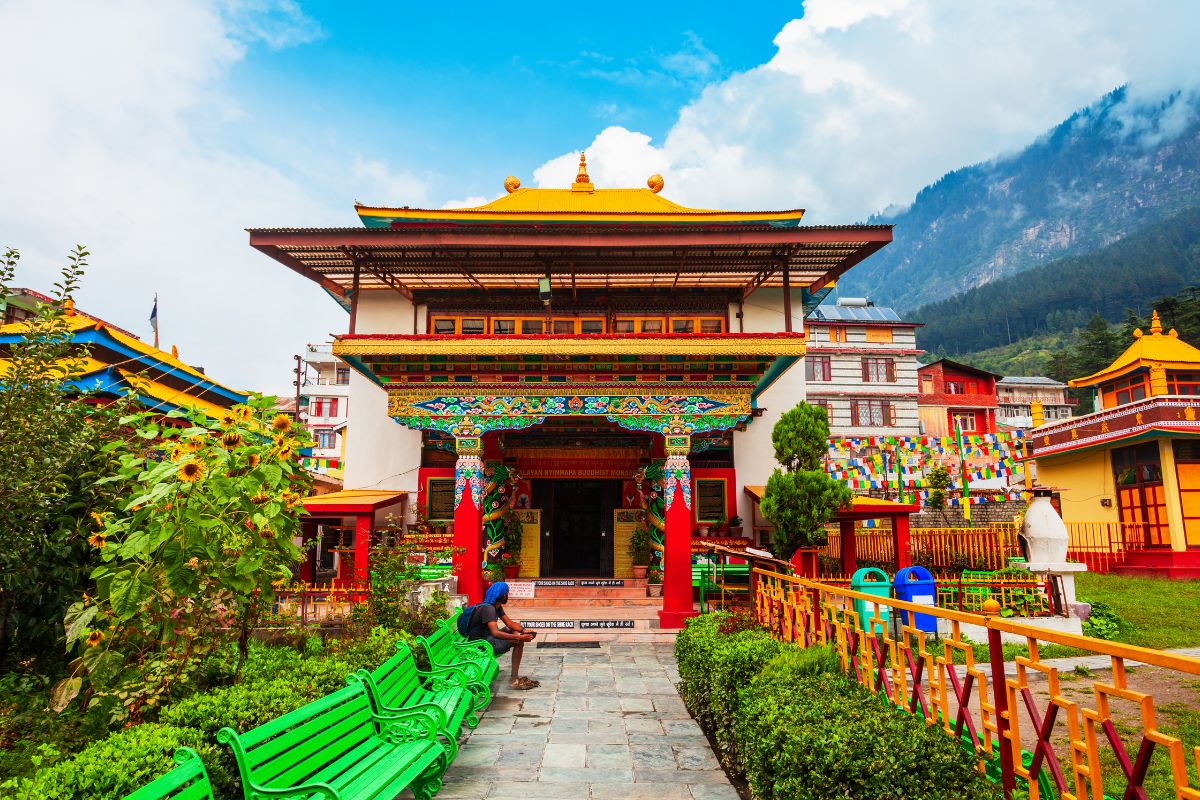
What most people get wrong is assuming there’s only one Tibetan monastery near Mall Road. There are two well-known ones, the Gadhan Thekchhokling Gompa and the Himalayan Nyingmapa Gompa, and only the first has the market lanes around it. If a driver drops you at the wrong one, you’ll wonder where the shops went.
Where Exactly Is the Manali Tibetan Market?
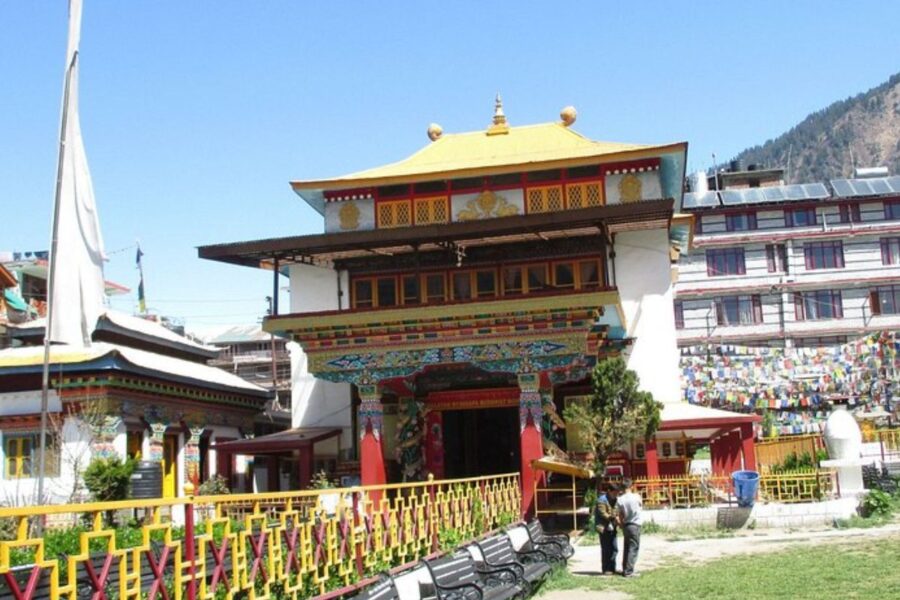
The Manali Tibetan market location is Gompa Road in Siyal, just off the main stretch of Mall Road. From the Mall Road end it’s a gentle walk of roughly 5 to 10 minutes, and the yellow pagoda roof of the gompa tells you you’ve arrived.
Walking is the cheapest and quickest option, since autos and taxis can’t do much in the narrow lanes anyway. If you’re staying further out, read our guide to seeing Manali’s local sights without a private taxi.
Which Monastery Sits Beside the Market?
The Manali Tibetan Monastery most visitors mean is the Gadhan Thekchhokling Gompa, built by Tibetan refugees in the 1960s. The official Incredible India page on Manali Gompa lists its highlights as the yellow pagoda-style roof, murals of the Buddha’s life and a golden Buddha statue in the main hall.
Upstairs there’s a quieter meditation room with large windows, and prayer wheels line the inside. The gompa sits at the heart of the Manali Tibetan market, so you’ll pass stalls on the way in and out.
Be ready for how small it is. Most people see everything in 30 to 45 minutes unless they stay for prayers, so don’t plan a whole morning around the building alone.
Monastery First or Market First: Which Order Works Best?
Go to the monastery first. The Incredible India page suggests morning or evening if you want to watch prayers and rituals, and morning is also when the market lanes are still quiet.
Most listings we checked on 27 November 2026 give the gompa’s hours as 6 am to 6 pm and the market stalls as 10 am to 7 pm. One listing mentions a Sunday closure for the gompa, and each stall sets its own hours, so treat these as a guide and ask your hotel the evening before.
That timing gap is the whole trick. Reach the gompa around 9 am, and by the time you’ve walked the prayer wheels and seen the murals, the Manali Tibetan market shutters are going up and the lanes haven’t filled yet.
Late morning to mid-afternoon is the busiest stretch, especially on weekends and in peak season. If mornings don’t suit you, the evening works too. Shop from about 4 pm, then catch the monastery well before it closes.
A Simple Two-Hour Plan for Both Stops
Here’s what we tell readers who want to see the gompa and the Manali Tibetan market in one relaxed morning. It assumes you’re starting from a hotel near Mall Road and walking everywhere.
Reach the Gompa by 9 am
Leave your hotel by 8:45 am and walk up Gompa Road. Spend the first 30 to 40 minutes at the monastery, taking in the courtyard, the murals on the porch, the main hall and the upstairs room.
Walk past the prayer wheels clockwise, the way locals do, and give each one a gentle turn. If prayers are on, stand at the back and keep your phone on silent.
Use the Monastery Shop as Your Price Check
The monastery grounds have a few small shops selling Tibetan handicrafts and carpets. We’d look here before you hit the Manali Tibetan market lanes, so you know what a fair price for a singing bowl or a prayer flag set looks like before anyone starts bargaining with you.
This small step is the best money-saving habit for the whole visit. Once you have a reference price in your head, it’s much easier to walk away from a quote that’s double what you saw ten minutes earlier.
Shop the Manali Tibetan Market From 10 am
Give the stalls about an hour. Walk the full loop once without buying anything, then go back to the two or three shops that had what you liked. It saves you from paying the first price at the first stall.
Bargaining is normal here, but keep it friendly and smiling. Carry some cash in small notes, because a stall’s payment scanner doesn’t always work and round numbers make haggling easier for both sides.
Head Back to Mall Road by 11:30 am
By late morning you’re done, and the lanes are starting to fill. Walk back down to Mall Road for lunch, then pick your afternoon stop from the itinerary ideas further down this page.
What Should You Know Before You Step Inside the Monastery?
This is a working place of worship, not a museum, so the usual Buddhist courtesies apply. Take your shoes off before entering the prayer hall, dress modestly, and walk around shrines and prayer wheels clockwise.
Ask before taking photos inside, and never photograph a monk or someone praying without permission. The pagoda roof and the courtyard from outside are the shots most people want anyway.
Entry is free, and a small donation is welcome but never expected. Keep your voice low inside, and if a monk is seated in the main hall, don’t walk between him and the altar.
What’s Worth Buying at the Manali Tibetan Market?
The best buys are things tied to Tibetan Buddhist practice: prayer flags, incense, singing bowls and small thangkas, which are Buddhist paintings on cotton or silk. These are what the area does best, and they make better gifts than generic woollens.
If you want one specific thing to pick up today, make it a set of cotton prayer flags from the Manali Tibetan market. They’re light, inexpensive and they pack flat, which matters if you’re travelling with only a backpack.
We’d skip the cheap shawls sold as pure pashmina. Real pashmina takes a lot of work to make, so a very low price usually means a blend, and it’s hard to tell the difference standing at a stall.
Be honest with yourself about what you’re getting, too. A lot of the stock in the Manali Tibetan market is mass-produced and sold in other hill towns as well, so think of it as a fun browse rather than a crafts gallery.
For a fuller breakdown of rugs, jewellery and how to bargain without getting ripped off, read our detailed handicraft guide to the market.
How Does This Fit Into a Manali Sightseeing Itinerary?
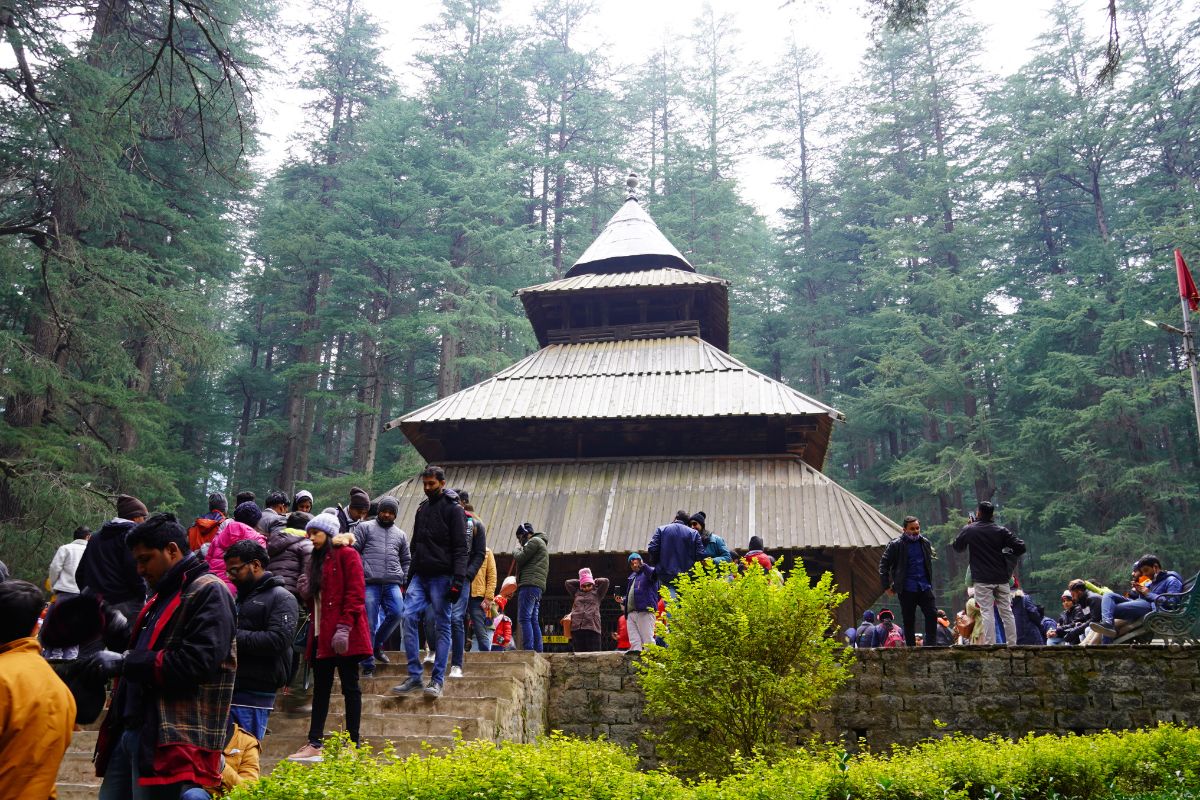
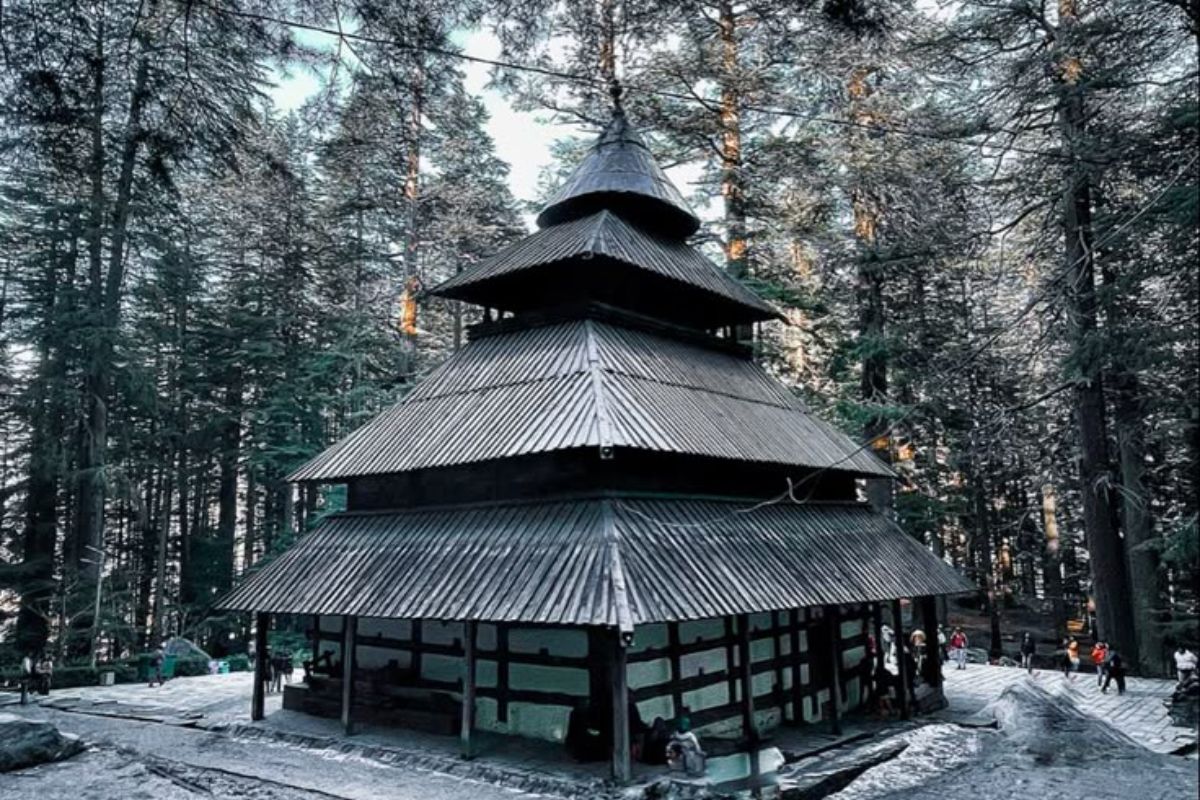
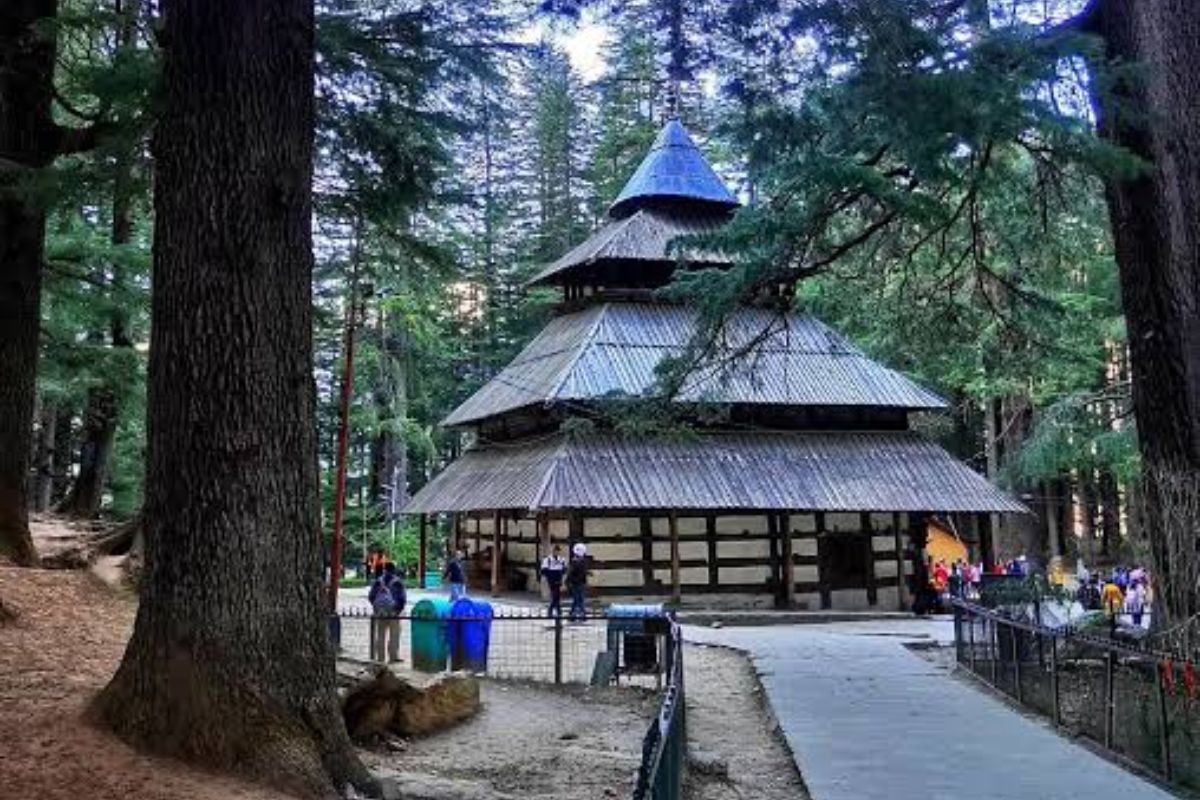
Because the Manali Tibetan market and gompa take only a morning, they slot easily into any Manali sightseeing itinerary. They pair well with Hadimba Devi Temple in the cedar forest at Dhungri after lunch, or with a slow afternoon in Old Manali.
If you’ve only got one day, see how we fit the main sights into one free day in Manali. This two-hour stop works as the opening act, since it starts before most other places get busy.
With more time, our guide to the main places to visit in Manali in two days helps you spread things out, and this walk fits neatly into either morning.
Among Manali day trip attractions, this is one of the few that costs nothing and needs no taxi. That makes it a good backup on a day when snow, rain or a road closure rules out the higher drives.
If you’d rather keep the rest of the day calm, look at the villages near Manali you can visit on a day trip. They’re a nice contrast to the busy town centre.
Safety, Scams and When to Ask for Help
The area around the Manali Tibetan market is busy but generally relaxed. Watch for touts who offer to walk you to a friend’s shop, and politely ignore anyone offering charas near Mall Road, since possessing cannabis is a criminal offence under India’s NDPS Act.
In winter the lanes can turn icy after snowfall, so wear shoes with good grip and go slowly on the slopes. If someone threatens you or a dispute gets out of hand, step away and call 112, India’s emergency number.
If you have heart or breathing problems and the cold or the uphill walk leaves you dizzy or short of breath, stop and see a doctor rather than pushing on. The climb is short, but cold mornings make it harder than it looks.
Once you’ve done this stop, one of the quieter places near Manali that don’t need a long drive makes a good next step. This guide is for general information, and timings and conditions change, so confirm locally before you set out.