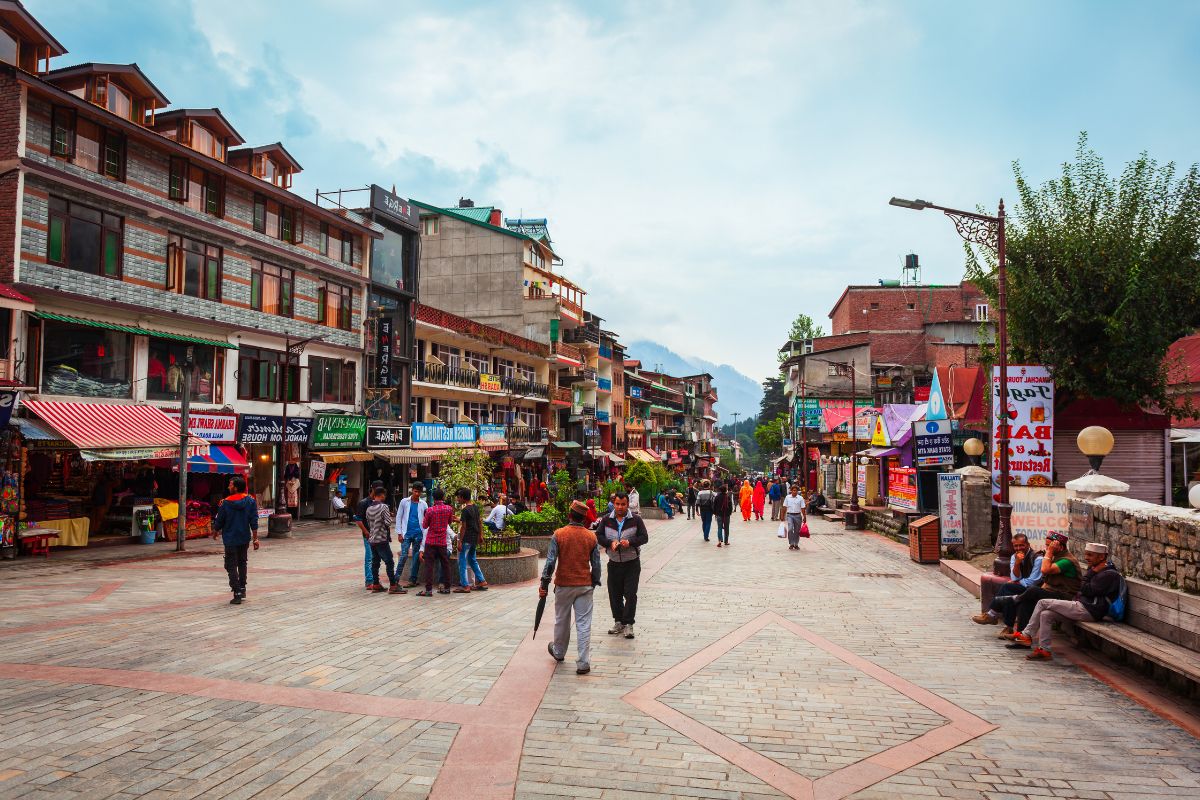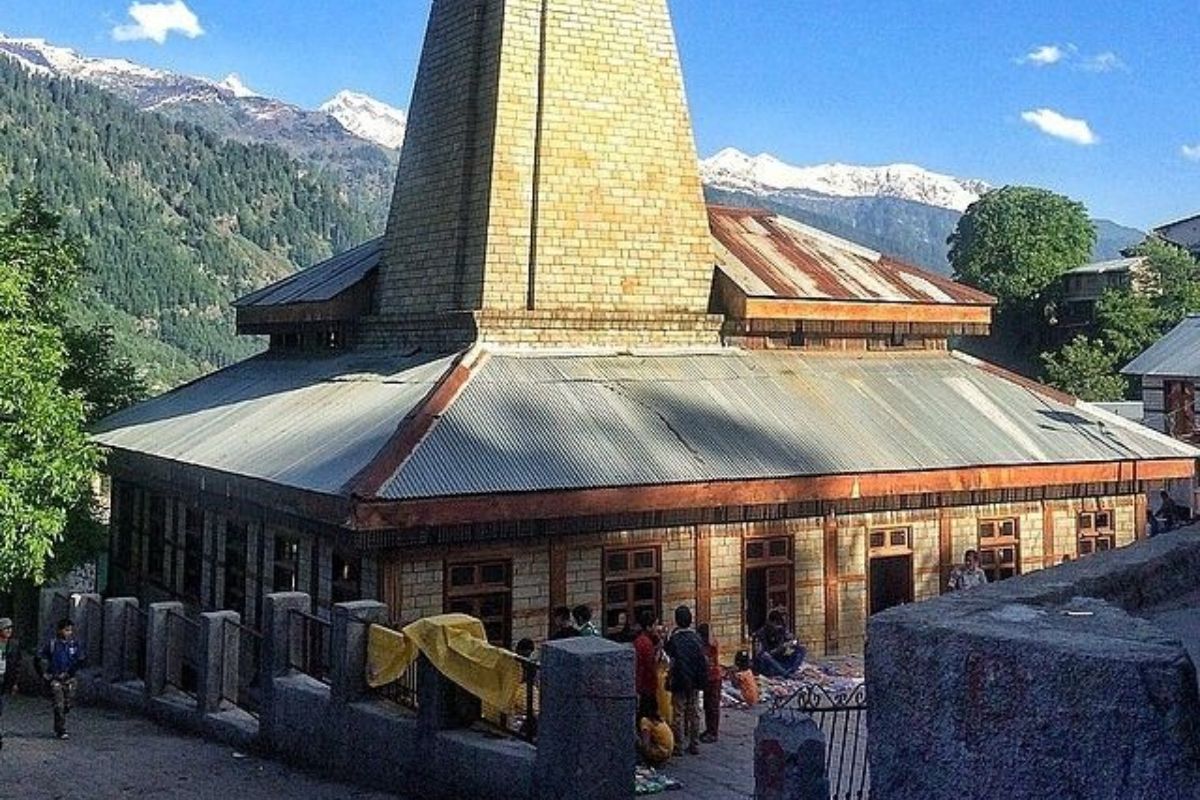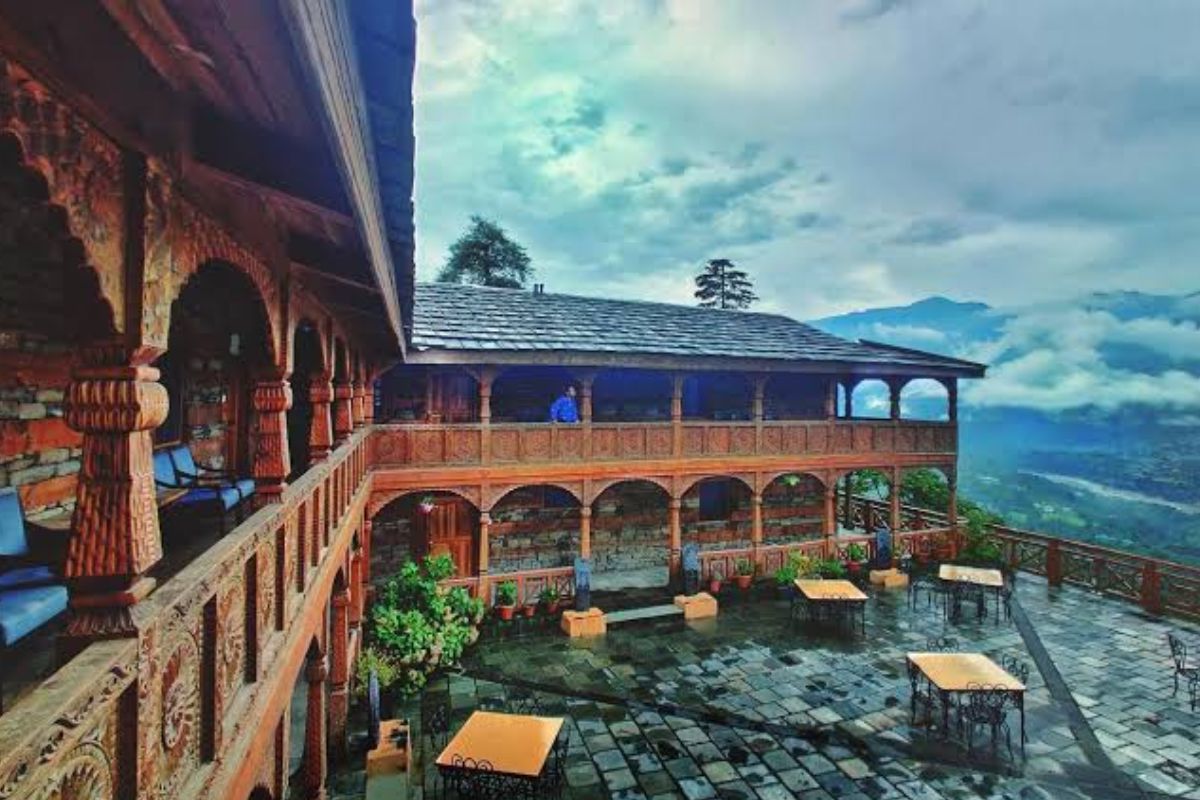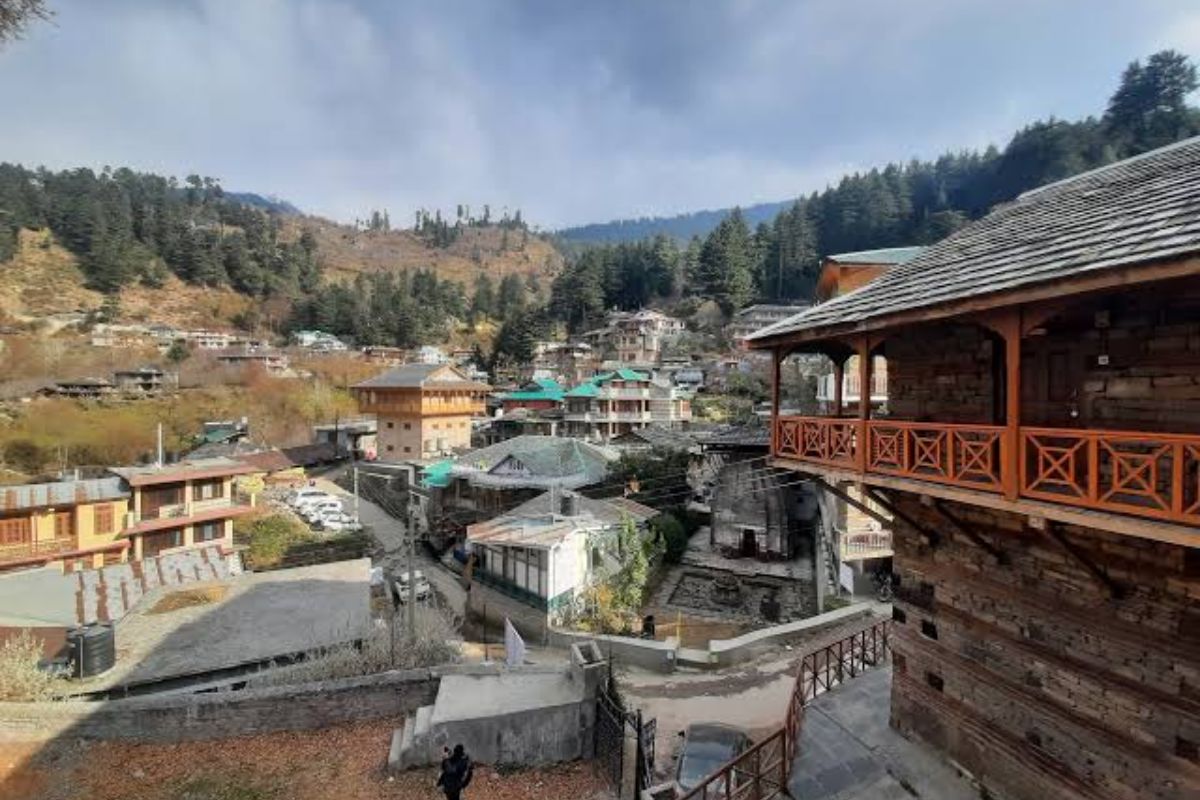
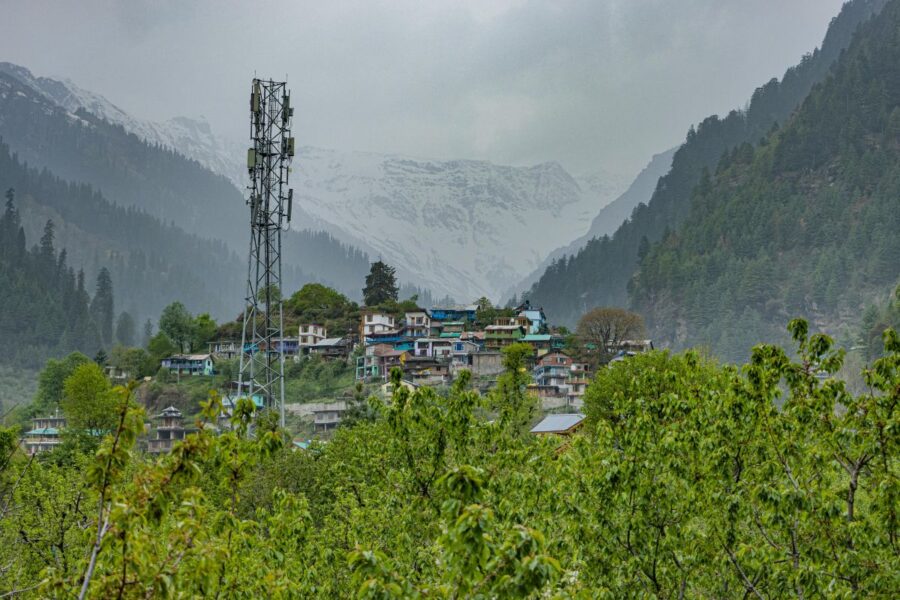
Yes, you can explore several villages near Manali on a day trip, and the best ones need no car at all. Old Manali, Goshal, Vashisht and Dhungri sit on the slopes right above town, linked by footpaths, so you can walk between them in one unhurried day and be back before dark.
The reason it works is distance. Himachal Tourism lists the Manu Temple in Old Manali at 1 km from town and Vashisht Temple at 2 km, so your day goes on walking, not driving. Other villages near Manali, like Jagatsukh, Sethan and Naggar, sit further out, need a taxi and pair best with one walking village.
If you only have one day, pick one cluster and do it slowly. We’d choose Old Manali and Goshal in the morning, then Vashisht for the hot springs in the afternoon. If you’re also fitting in the big sights, our two-day plan for Manali’s main places shows where a village day fits.
What Do Most People Get Wrong About Villages Near Manali?
Most lists of Manali day trip attractions treat the villages as quick photo stops. People drive up to Vashisht, snap the temple gate and leave in twenty minutes. That misses the point, because the good part sits behind the main lane, in the old wooden houses, orchards and stone paths.
The other mistake is trying to cover too many. Five villages in a day means five rounds of parking, bargaining and uphill climbs. Two or three villages near Manali, done on foot, will give you a far better day than six seen from the back seat of a cab.
Which Villages Near Manali Can You Reach on Foot?
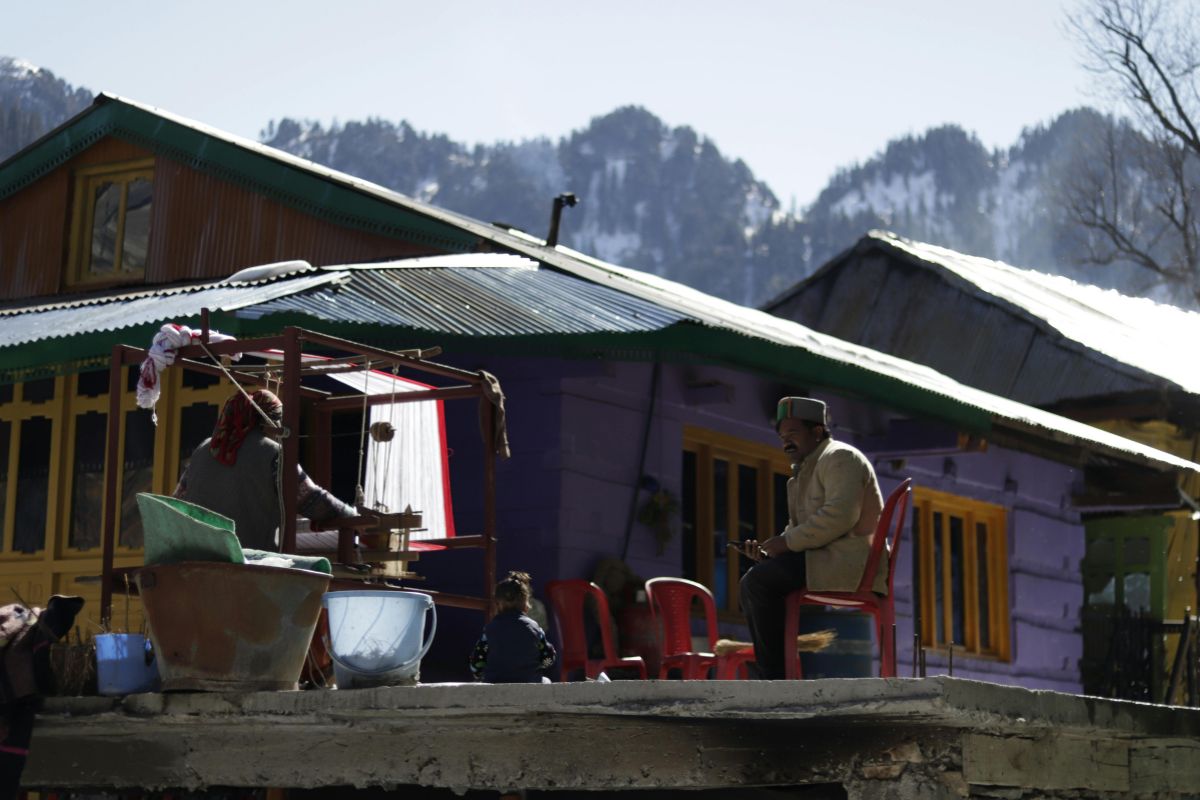
Four villages are close enough to walk. Old Manali, Goshal and Dhungri are on the town’s side of the Beas River, and Vashisht sits on the opposite slope. Wear shoes with real grip, because every route here climbs.
Old Manali and the Manu Temple
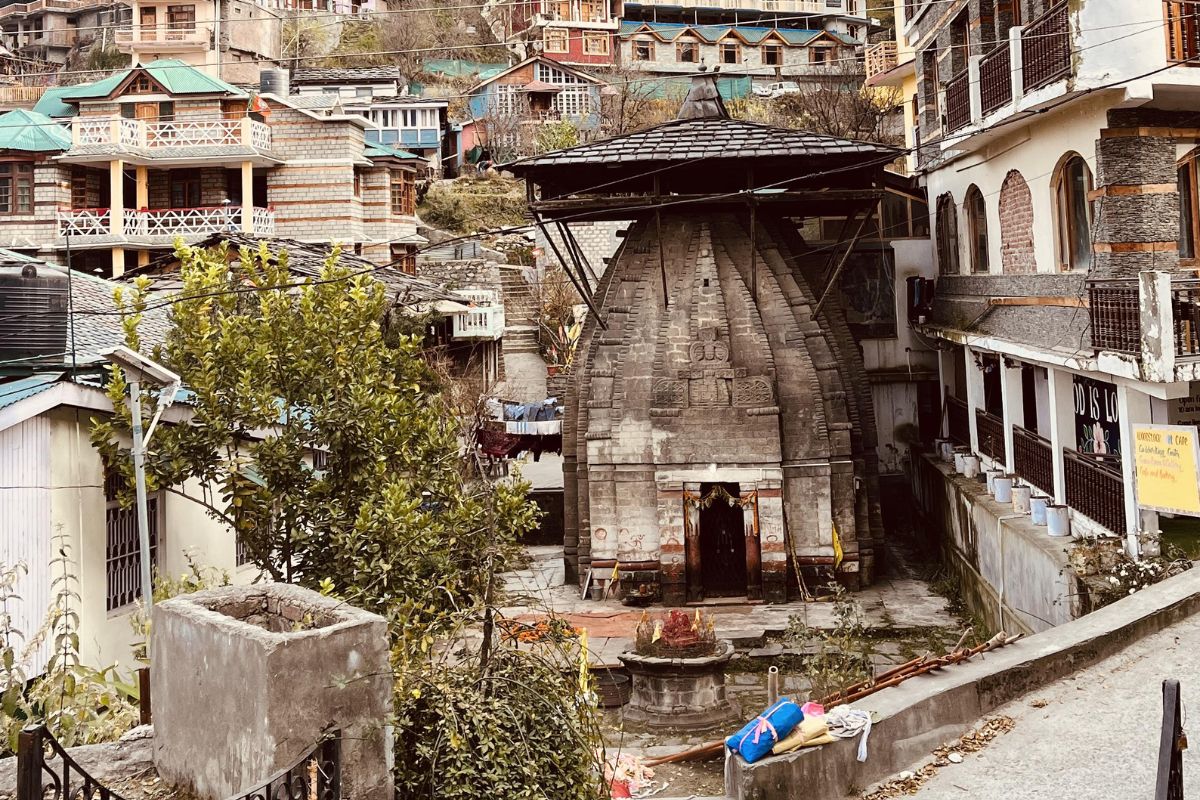
Old Manali is the easiest start. It’s an uphill walk of about 15 minutes from the main town, and the lane ends at the Manu Temple, dedicated to the sage Manu. Himachal Tourism notes that Manali takes its name from Manu, and that temples to him are rare in India.
The lower lane is packed with cafés and guesthouses, many serving Western food. Keep climbing past them to see the older wooden and stone houses, which is where Old Manali still feels like a village rather than a backpacker strip.
Goshal Village Manali: The Orchard Walk
Goshal is the walk we tell readers to do if they only pick one of the villages near Manali. A signed trail starts near the Manu Temple and runs about 2 km through apple orchards and pine to the village, which takes most people under an hour each way at an easy pace.
Some of Goshal’s houses are said to be 600 to 700 years old, and a stream separates it from Bhang. Part of the trail narrows to a one-person ledge with a steep drop, so skip it on wet days or if anyone in your group is unsteady on their feet.
Vashisht Village Manali: Hot Springs and Temples
Vashisht sits 2 to 3 km from Manali across the Beas, depending on where you start, and it’s known for its sulphur hot springs beside temples to the sage Vashisht, Lord Shiva and Lord Rama. If you like knowing the background before you go, this overview of Vashisht’s temples and hot springs is a quick read.
The baths are public tanks with separate areas for men and women. They’re basic and often crowded, so go expecting a local ritual, not a spa. Carry a small towel and a change of clothes in a dry bag.
Above the main lane, shops give way to houses and orchards, and a forest trail carries on to Jogini Falls. Treat the falls as a place of worship rather than a swimming spot, because the water is sacred to the villages below.
Dhungri and the Hadimba Devi Temple
Dhungri is the village around the Hadimba Devi Temple, about 2.5 km from town. The 16th-century wooden temple stands in a cedar forest and has a cave shrine inside. It’s the busiest of the four, so go early, then walk the quieter lanes behind it.
Travelling with children or older parents? Our guide to Manali tourist places for a first family trip covers which of these stops are gentle enough for everyone.
Which Villages Near Manali Need a Taxi?
Three more villages near Manali are worth half a day each, but you’ll want a car. Agree the full fare, including waiting time, before you set off, because drivers price these as return trips and the meter talk gets awkward later.
Jagatsukh, the Old Capital of Kullu
Jagatsukh is 6 km from Manali on the left bank road towards Naggar. Himachal Tourism’s official Manali page describes it as the old capital of Kullu, before the seat moved to Naggar and then Sultanpur. It still has the Gauri Shankar Temple to Shiva and the Gayatri Temple.
It sees far fewer visitors than Vashisht, which makes it one of the quieter villages near Manali if crowds bother you. The neighbouring village of Shuru has the old Sharvali Devi Temple, and you can see both in about two hours.
Sethan and the Hamta Valley
Sethan is a tiny Buddhist village about 12 km from Manali via Prini, at roughly 2,700 m. The road climbs through some 35 hairpin bends, and phone signal tends to drop out shortly before you arrive.
Vehicles on the Hamta road need a one-day online permit from the Kullu district permit portal, the same system that handles Rohtang. Buy it only on the official site, because officials check permits on this road and fake ones have been a problem.
In winter, Sethan is known for igloo stays, which usually run from mid-January to mid-March. Outside that window, it’s a quiet half day for mountain views and tea, not a snow park.
Naggar on the Left Bank Road
Naggar is 22 km from Manali and was the capital of the old principality until 1660. Naggar Castle, now a heritage hotel run by Himachal Tourism, and the Nicholas Roerich Art Gallery are the reasons to go. Since it’s on the same road as Jagatsukh, the two make one easy half-day loop.
If you’d rather spend your taxi day heading north instead, see whether you can drive through the Atal Tunnel on a Manali day trip and how that plan compares.
A Simple Manali Sightseeing Itinerary for a Village Day
Here’s the Manali sightseeing itinerary we suggest for a first visit to the villages near Manali. It keeps the climbing for the cool morning, saves the hot springs for the afternoon and leaves the long drives out entirely.
Morning: Old Manali to Goshal
Leave your hotel by 8 am, walk up to Old Manali and reach the Manu Temple before the lane fills with visitors. Take the Goshal trail from there, have tea in the village and walk back down by around 11 am.
Midday: Lunch and Dhungri
Eat in Old Manali, then make your way to the Hadimba Devi Temple through the cedar forest around Dhungri. Going after lunch also means the steepest climbing of the day is already behind you.
Afternoon: Vashisht Hot Springs
Take a short auto or taxi ride across the river to Vashisht, soak tired legs in the springs and see the temples. Head back before sunset, which comes early in the cold months and turns the hill lanes chilly fast.
Seeing the villages near Manali this way costs little beyond food and one short ride, which makes it the cheapest good day you’ll have here. If you want a similar day on foot further north, read up on things to do in Sissu without a car.
Are Villages Near Manali Worth Visiting in November and Winter?
Yes, and late autumn is one of the better times. When we checked Himachal Tourism’s Manali page on 26 November 2026, it listed October to December as a popular season. Clear days are common, though some Old Manali restaurants close for winter, so don’t walk up for one specific café without checking.
The same page warns that December and January can fall below minus 5°C. Ice makes the Goshal ledge and the Sethan road harder, so in deep winter we’d stick to the three easiest villages near Manali, Old Manali, Dhungri and Vashisht, where paved lanes and the hot springs make the cold easier.
What Should You Skip on a Village Day?
Skip adding Solang Valley to a day around the villages near Manali. It’s 13 km away and built around paragliding, ropeway rides and skiing, so bolting it onto a village walk leaves you rushing both. Give Solang its own morning.
We’d also skip the Sethan drive if anyone in your group gets carsick, given all those bends. The views are lovely, but Jagatsukh gives you a quiet old village for a fraction of the road.
Is It Safe to Explore Villages Near Manali?
Mostly yes. The walking villages near Manali are busy in daylight and the paths are well used, but tell your hotel which trail you’re taking and carry water, a charged phone and a warm layer.
Sethan is higher than Manali, and some people feel headachy or breathless after a fast climb. If that happens, come back down, and if symptoms don’t ease or someone seems confused or very weak, see a doctor in Manali straight away. If anyone gets lost or hurt on a trail, call 112, India’s emergency number.
What We Tell Readers Before They Go
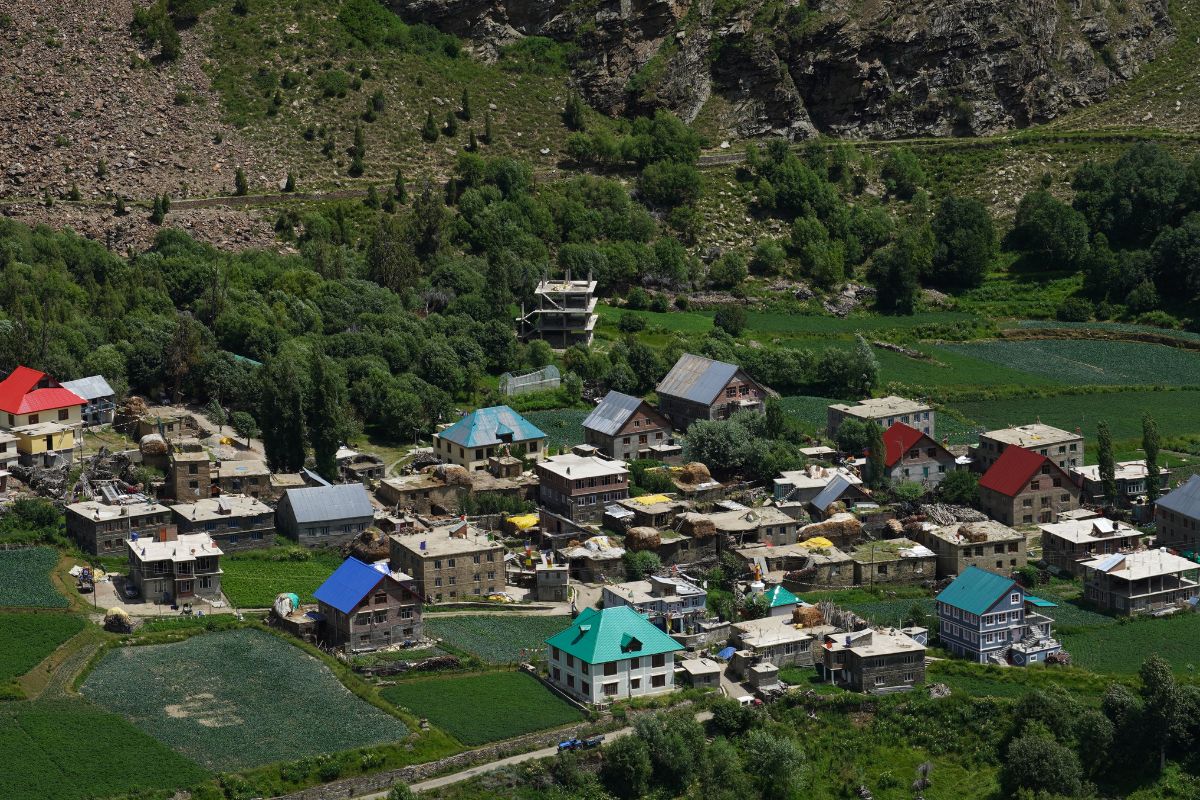
Here’s what we tell readers: choose two or three villages near Manali, walk them slowly, and save the long drives for another day. You’ll see more of everyday Himachal life that way than from any car.
Still sorting out the journey itself? Our guide on reaching Manali from Bangalore by flight and overnight bus covers the route and timings.
For more seasonal checks and routes, browse our Himachal travel guides. This guide is for general travel information, so check weather, road and permit conditions locally before you set out.