
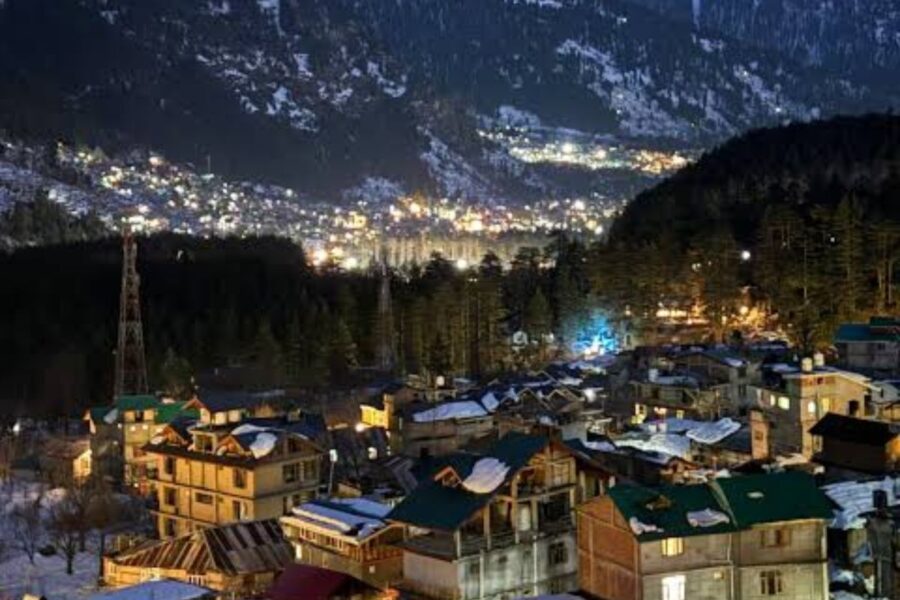
Yes, you can cover the main places to visit in Manali in two days if you group them by direction. Spend day one on Hadimba Temple, Old Manali and Vashisht, then use day two for one big trip to Solang Valley or the Atal Tunnel. Rohtang Pass won’t fit in winter.
The reason it works is simple geography. Most of the places to visit in Manali sit on three small hills a short ride apart, so day one needs almost no driving. Solang Valley is about 14 km up the highway, which leaves most of day two for snow, a ropeway ride or a long lunch.
The big condition is the weather. As of 25 November 2026, tourist vehicles have been kept away from Rohtang since the mid-November snowfall, and the Atal Tunnel road can be restricted for a day after fresh snow. So keep day two flexible and check road updates the night before.
If you’re still planning the journey, our guide on reaching Manali by flight and overnight bus covers that part. Below, we’ve laid out the places to visit in Manali day by day, with timings, what to skip and where people usually lose time.
Can You Cover Manali’s Main Places in Two Days?
Most people get this wrong by trying to squeeze Rohtang Pass, Solang Valley and the town sights into the same two days. That’s three directions and a lot of traffic, and in winter Rohtang isn’t even an option. The fix is to build your Manali two day itinerary as one cluster plus one excursion.
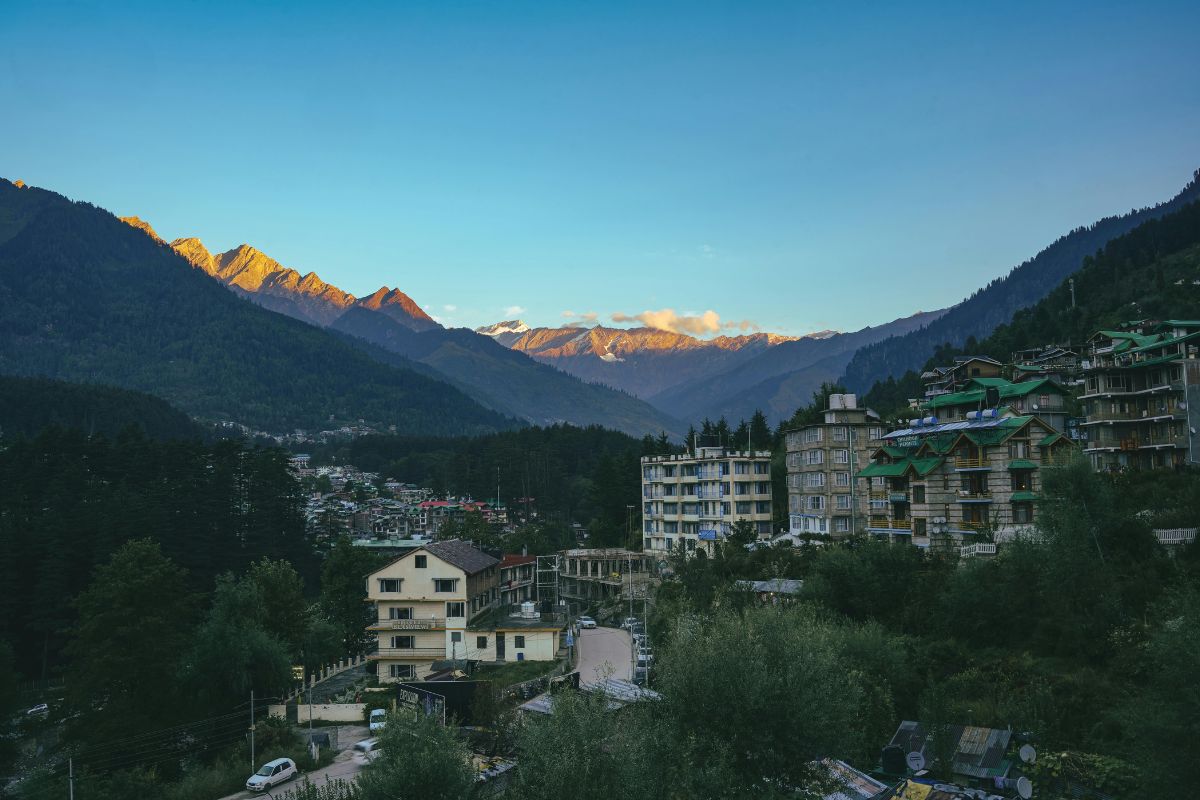
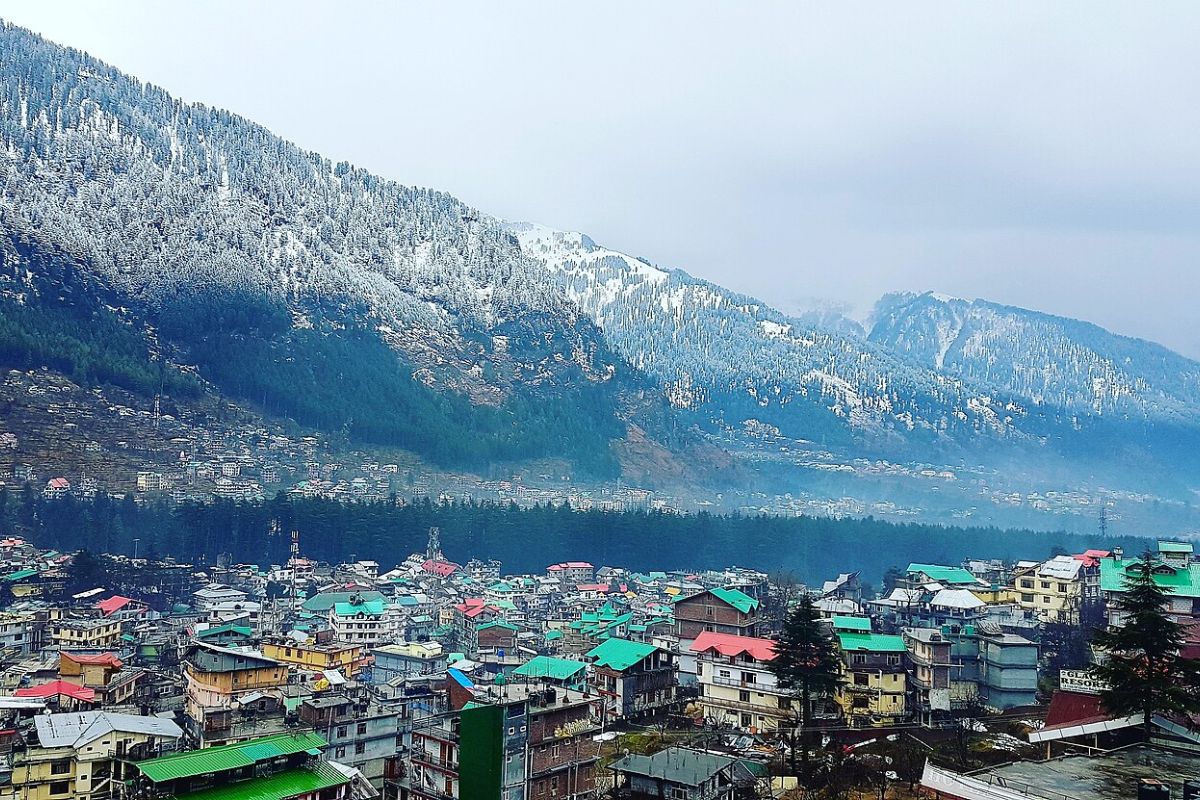
Manali is really three neighbouring hills, each with a village and an old temple: Dhungri with Hadimba Temple, Old Manali with the Manu Temple, and Vashisht with its hot springs. They’re close enough to link on foot or with short auto rides, which is why one day covers them comfortably.
The sights that need a car, like Solang Valley and Sissu beyond the Atal Tunnel, all sit north of town along the same highway. Put them together on day two and you’ll spend your time looking around rather than sitting in traffic.
Which Places to Visit in Manali Fit Into Day One?
Day one covers the places to visit in Manali that you can reach on foot or by auto, so wear shoes with good grip. Cedar needles and morning frost make the forest paths slippery, especially from November onwards.
Hadimba Temple in Dhungri Van Vihar
Start at Hadimba Temple, the best known of all the places to visit in Manali. It was built in 1553 by Maharaja Bahadur Singh and stands in a deodar forest called Dhungri Van Vihar, with a tall wooden tower and three tiers of timber roofs.
Inside, the shrine is built around a huge rock, and worshippers honour a footprint of the goddess carved into stone, so take a minute to look rather than shuffling straight through with the queue.
Get there by 8:30 am. Crowds build later in the morning, and the forest is quietest early on. If you’d like the history first, the Hidimba Devi Temple entry on Wikipedia is a good short read.
Old Manali and the Manu Temple
From Hadimba, head down to the main road and cross over to Old Manali, the original village up the hill. Its lanes climb past old wooden houses to the Manu Temple, dedicated to the sage Manu, who in Hindu tradition is the creator of mankind.
This is the best place for lunch. Some Old Manali cafés shut for part of the winter, so if the one you read about is closed, pick any place busy with locals.
Vashisht Hot Springs and Jogini Falls
After lunch, take an auto to Vashisht, a village about 3 km from Manali across the Beas River. Its sulphur hot springs sit right beside temples to Vashisht, Shiva and Rama, and there are separate baths for men and women.
From the village, a trail of 3 to 4 km, depending on where you start, climbs through apple orchards and pine forest to Jogini Falls, a waterfall about 150 feet high. Allow 2 to 3 hours there and back.
Do it in this order: trek first, soak after. Start walking by 1:30 pm in winter because daylight goes quickly, and a warm bath on tired legs beats a cold walk on wet hair. Vashisht is easily the most relaxing of the places to visit in Manali on a cold afternoon.
If you’d rather go with a guide and a group, see our post on beginner-friendly Manali trek packages for students.
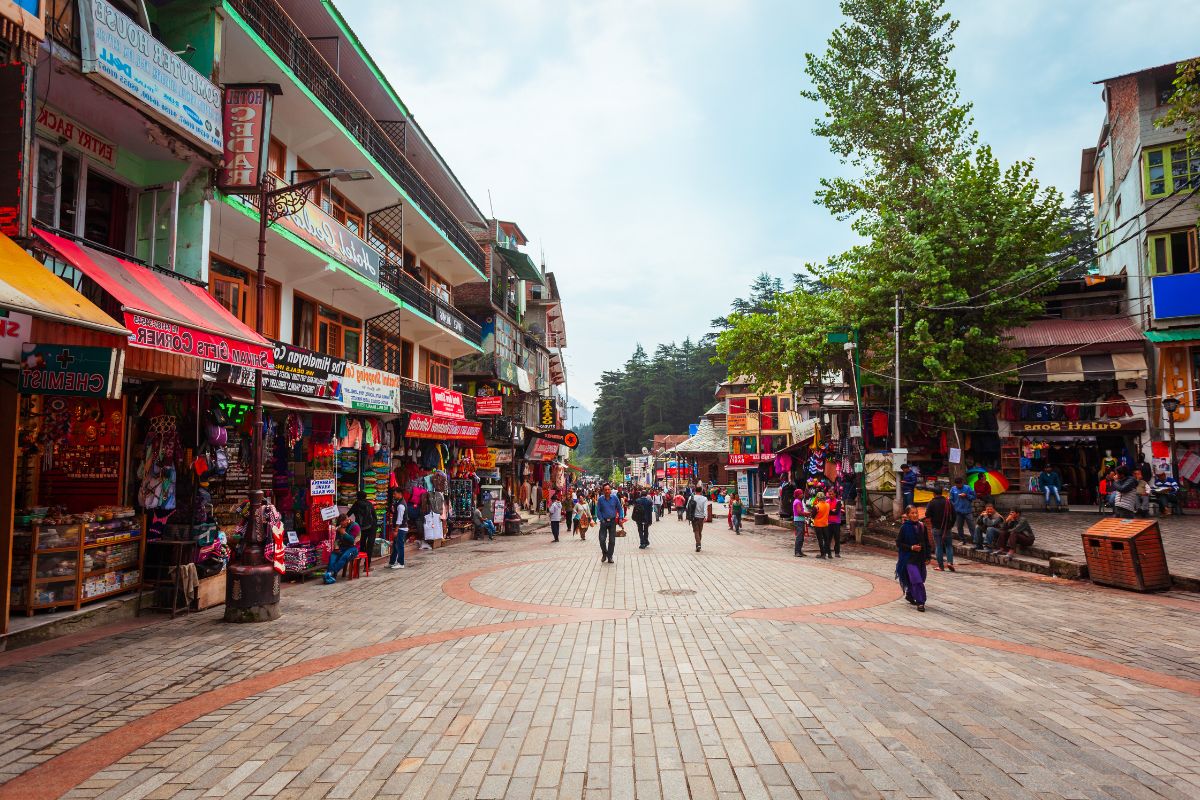
Mall Road After Dark
End the day on Mall Road, Manali’s main shopping street. Of all the places to visit in Manali, it’s the one that’s better after dark, when the shops are lit and you’ve already used the daylight on the hills.
Buy woollens here if you’re short on warm layers for day two, but compare two or three shops before paying.
Day Two: Solang Valley or the Atal Tunnel?
Day two is for the places to visit in Manali that sit outside town, and you only have time for one direction done well. Solang and Sissu are the two big Manali day trip attractions, and both start up the same highway, so the choice comes down to snow and weather.
Solang Valley for Snow and Adventure
Solang Valley sits about 14 km north-west of Manali. In winter it’s known for skiing, with ski schools working once there’s enough snow, and in warmer months for paragliding, zorbing and horse rides.
One popular stop we’d skip is the row of roadside shops that rent snow suits and boots on the way up. If Solang has little snow that day, you’ve paid for gear you’ll carry around unused, so rent only once you can see snow on the ground.
Leave Manali by 8 am. Traffic on this road thickens through the morning in busy weeks, and arriving early gives you the slopes before the crowds.
Atal Tunnel and Sissu for Lahaul Views
The Atal Tunnel is a 9.02 km road tunnel at over 10,000 feet that links Manali with the Lahaul valley. Just past its north portal lies Sissu, a village with a waterfall and wide snow views, and the usual turnaround point for a day trip.
After heavy snow, authorities sometimes stop traffic through the tunnel for a day or allow only 4×4 vehicles. If you’re set on Sissu, book a 4×4 taxi rather than a sedan, and ask the driver the evening before what the police are allowing.
How to Pick Between Them
What we tell our readers is simple: pick Solang if you want activities, and pick the Atal Tunnel if you want big mountain views. If you can add only one of the outer places to visit in Manali, choose whichever road is open and clear that morning.
If the tunnel is shut on your day, Solang is the natural fallback, because it’s further down the same road.
Is Rohtang Pass Open in Late November?
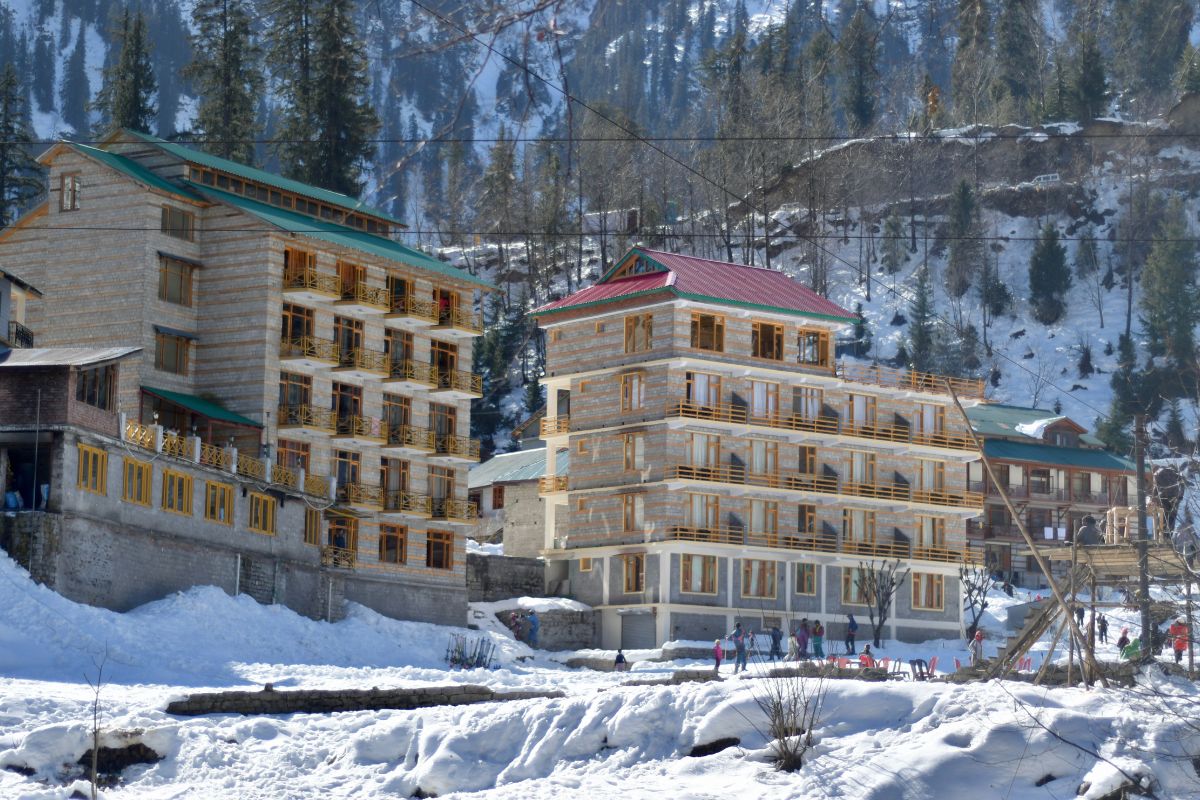
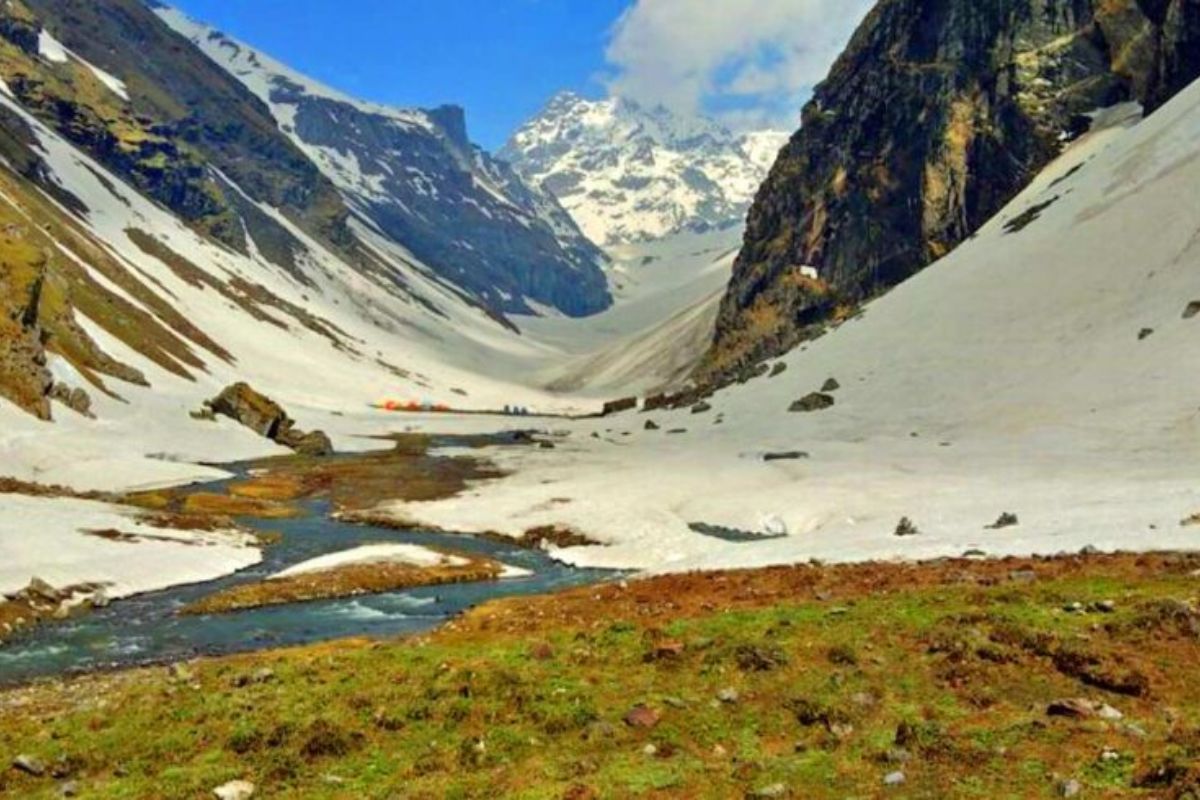
No. Rohtang Pass officially closes to tourist vehicles around 15 November each year, though dry spells have kept it open longer in some recent years. This year, fresh snow on 13 November led Kullu police to halt tourist vehicles toward the pass and ask visitors not to go beyond Gulaba.
We checked news reports on 25 November 2026 and found no reopening date, and the road normally stays shut to tourists until around May. When it’s open, every vehicle needs an online permit, and tourist trips aren’t allowed on Tuesdays.
Rohtang is still the name most people link with places to visit in Manali, and touts know it. Be wary of anyone offering a winter “Rohtang trip”. You may simply be driven to a roadside snow patch and charged a Rohtang price, so ask exactly where the car will stop before you pay.
If you come back in summer and want a high-altitude day, our guide to reaching Shinku La from Manali in one day shows what that kind of trip involves.
Which Places to Visit in Manali Work When It Snows?
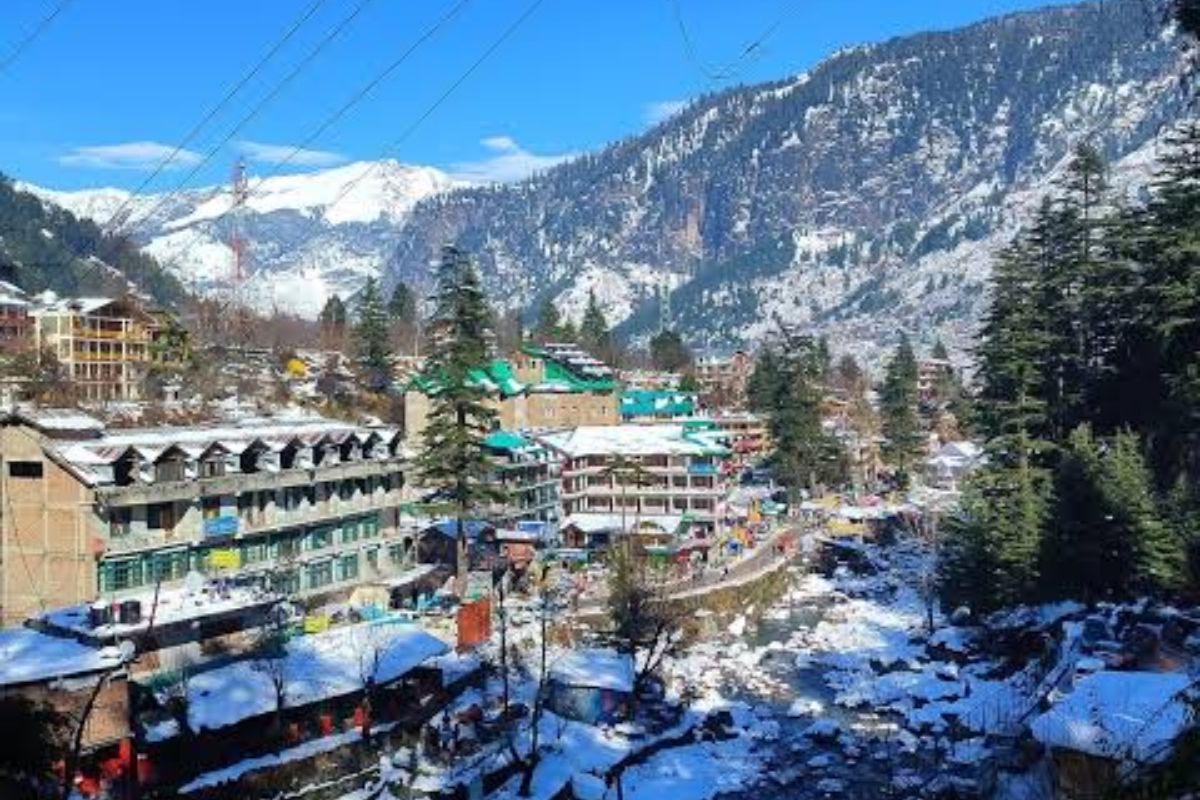
Hadimba Temple and Old Manali stay open in snow, as does Mall Road, and the cedar forest looks its best under a white layer. Vashisht’s warm springs are at their most welcome in the cold.
Snow mostly affects day two. Keep Solang as your first choice whenever the higher roads are restricted, and treat Sissu as a bonus if the tunnel road is clear.
How Much Time Do the Places to Visit in Manali Take?
Hadimba needs about 45 minutes, Old Manali with lunch takes 2 hours, and Vashisht plus Jogini Falls fills 3 to 4 hours, which leaves your evening free for Mall Road.
Day two runs 6 to 8 hours door to door, whichever direction you pick.
The easiest saving is to skip taxis on day one, when the places to visit in Manali are linked by short walks and one auto ride to Vashisht. Keep the taxi budget for day two and agree that fare, including waiting time, before you set off.
Many travellers book a package for exactly this reason. If you’re comparing options, our breakdown of Kullu Manali packages from Vadodara shows what’s usually included in the sightseeing days.
Students on a tighter budget can also look at our note on budget Manali tours with group transport.
What Should You Know Before You Go?
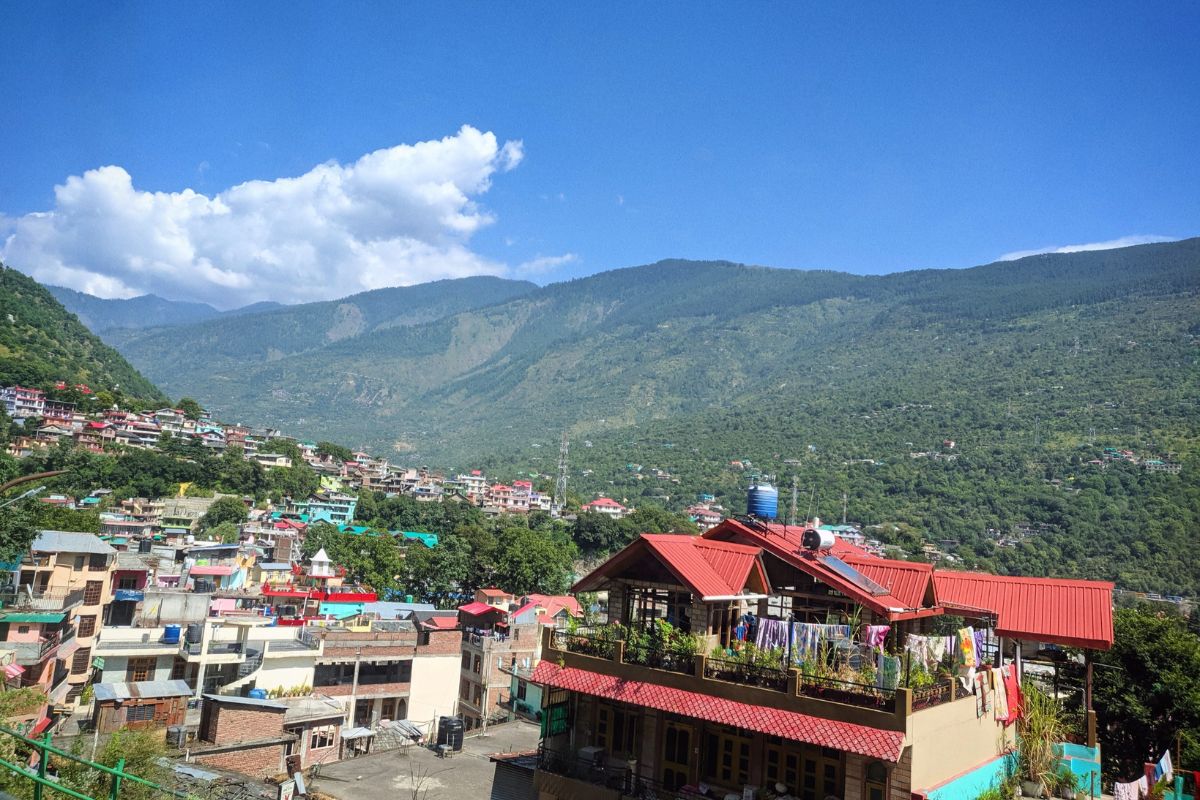
None of the places to visit in Manali on day one involve serious altitude, since the town sits at about 2,050 m. Sissu and the higher roads are colder and thinner on air in winter, so dress in layers, carry water and don’t rush up and down in one go.
If anyone in your group gets a severe headache, breathlessness or confusion at altitude, head back down and see a doctor in Manali. For road closures, ask the local police, call the Kullu District Emergency Operation Centre on 01902-225630, or dial 112 in an emergency.
For official destination information before you book, start with Himachal Pradesh Tourism’s official website, which we checked while researching this guide.
Two days won’t cover everything, and that’s fine. The places to visit in Manali we’ve left out, like Naggar and the Rohtang road, are a good reason for a summer return. For more ideas, browse more of our Himachal travel guides.
This Manali travel guide is for general information. Road rules change quickly, so follow the latest advice from Kullu police before any high-altitude trip.


One Response