Yes, the Tibetan Market Manali shoppers talk about is worth a stop, as long as you go for a short list of real handicrafts and skip the factory stock. Give it about an hour, walk every lane once before buying, and keep your money for thangkas, singing bowls, rugs and good woollens.
The reason it earns a place in your plan is simple. Within a 5 to 10 minute walk of Mall Road, you get Tibetan-run stalls, a working monastery and a calmer browse than the main strip. A lot of the stock is mass-made and sold across north India, though, so you need to know what you’re looking at.
What should you do next? Pick two or three things you actually want, set a budget, and pair the visit with the monastery next door. If you’re still shaping your trip, browse more of our Manali and Himachal travel guides before you go.
Below, we cover where the stalls are, what’s worth buying, the timings we checked on 26 November 2026, how to bargain fairly and what we’d skip.
Is Manali’s Tibetan Market Worth a Stop for Handicrafts?
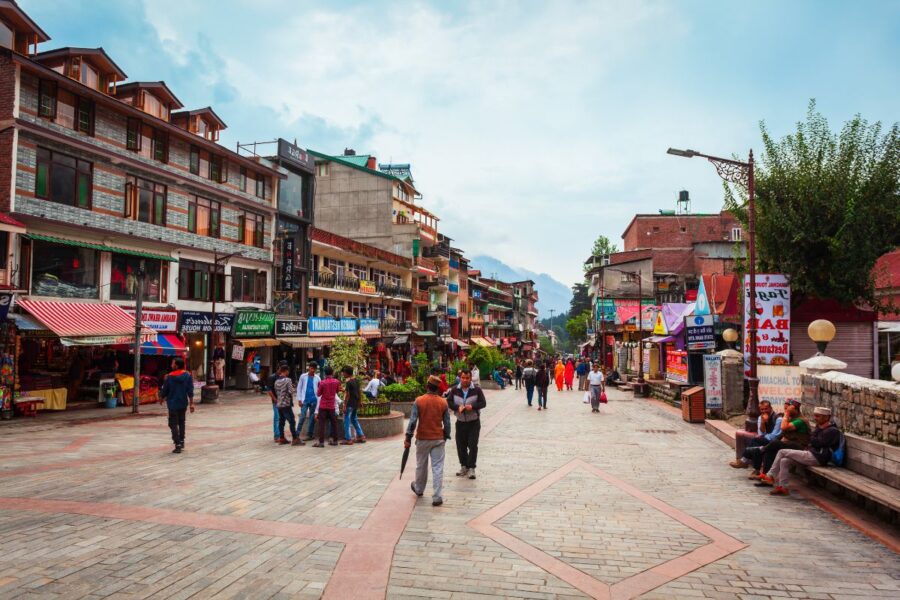
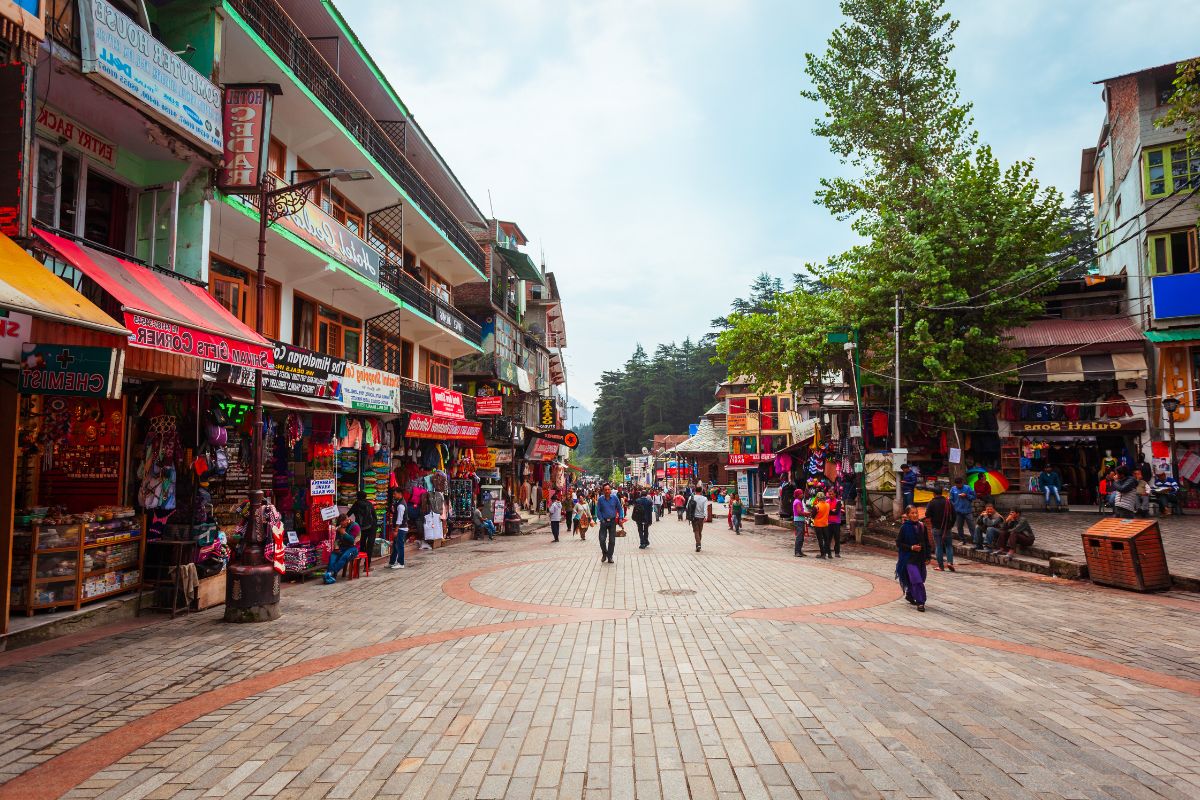
Most first-time visitors expect one big bazaar packed with crafts made by Tibetan families. That’s the part people get wrong. The Tibetan Market Manali guides describe is a compact cluster of shops in narrow lanes on the Siyal side of town, plus a handful of craft and carpet shops inside the monastery grounds.
Some stalls are run by Tibetan families who’ve lived in Manali for decades. Others sell the same jackets, keychains and printed wall hangings you’ll find in Delhi or Shimla. A few visitor reviews we read even complain that hardly anything in the lanes is Tibetan at all, which is fair if you only look at the front racks.
So what’s our honest verdict? If you enjoy handicrafts and like comparing quality, the Tibetan Market Manali experience is worth an hour. If you only want cheap winter wear, Mall Road has more choice and you can skip this detour entirely.
How Do You Reach Tibetan Market Manali From Mall Road?
The stalls sit off Mall Road towards Siyal, close to the Naina Devi Temple, and you reach them via Gompa Road. From the HPTDC bus stand on Mall Road, visitors put the walk to the monastery at 8 to 10 minutes on foot.
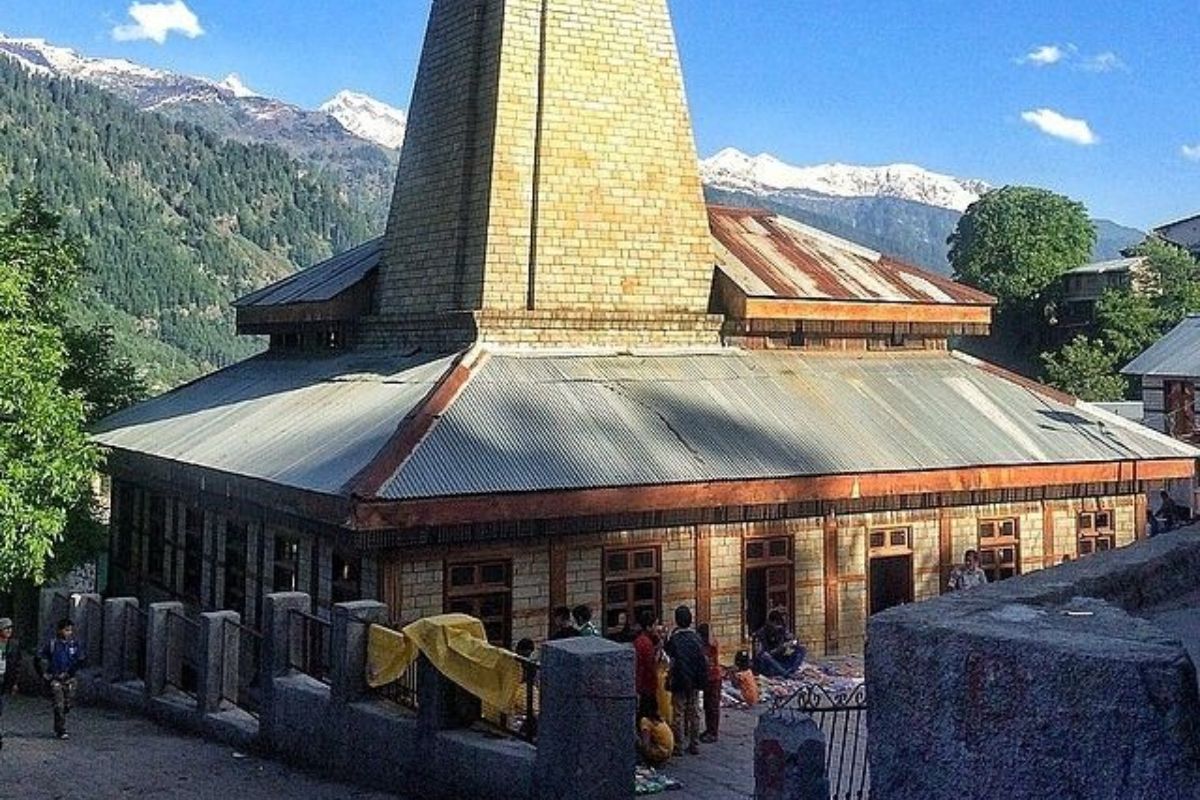
The landmark to aim for is the Gadhan Thekchhokling Gompa, the yellow-roofed monastery that the official Incredible India page on the Manali Gompa says Tibetan refugees built in the 1960s. Once you see its prayer wheels, the Tibetan Market Manali lanes are all around you.
Walk rather than hire an auto. The distance is short, the lanes are narrow, and you’ll spend more time stuck in Mall Road traffic than you’d save. This is also how we suggest you plan Manali local sightseeing on foot without paying for a taxi.
Staying in Siyal? Then the Tibetan Market Manali lanes are a short stroll from your door. If your hotel is at the far end of town, an auto to Gompa Road and a walk back along Mall Road is the easiest loop.
What Can You Buy at Tibetan Market Manali?
Listings for the market mention thangkas, prayer wheels, singing bowls, incense, shawls, rugs, silver jewellery, leather bags and Himalayan herbs. That’s a wide spread, and quality swings hugely from one shop to the next. These are the Tibetan souvenirs in Manali we think are worth your time, and how to check each one.
Thangkas, Singing Bowls and Prayer Flags
A thangka is a Buddhist painting on cloth, traditionally framed in brocade. You can read more about the art form in this Wikipedia overview of thangka painting. Hand-painted pieces take weeks of work, while printed copies cost a fraction and are often sold at hand-painted prices.
Try this on your very first stall. Open your phone camera, zoom to 3x on the thangka and look closely at a face or a cloud. Printed copies show a regular grid of tiny dots, while a hand-painted piece shows brush strokes, layered colour and small, uneven lines.
For singing bowls, tilt the bowl under the shop light. A hand-hammered bowl has small, uneven dents across the surface. A machine-spun bowl looks smooth with fine circular lines, which is fine for decoration but shouldn’t carry a handmade price.
Shawls, Woollens and the Pashmina Problem
Real pashmina is costly, because the fibre is rare and the weaving is slow. When a roadside seller offers a “pure pashmina” at a price that feels too good, it’s almost always a blend or acrylic. Buy it if you like it, but pay blend prices.
The better local buy is a Kullu shawl, which is a registered Geographical Indication product of the Kullu Valley. You’ll spot them at the Tibetan Market Manali stalls, but price one first at a weavers’ cooperative showroom such as Bhuttico or at Himachal Emporium on Mall Road, where tags are fixed.
Tibetan Market Manali Rugs and Carpets
The small shops inside the monastery premises are known for Tibetan carpets and rugs, and they’re quieter than the lanes outside. This is the insider stop most generic shopping lists skip, and it’s where we’d start if a rug is on your list.
Flip any rug before you talk money. A hand-knotted rug shows the pattern clearly on the back, with tiny irregular knots. A machine-made rug has a perfectly even back, and the fringe is often stitched on afterwards rather than woven in.
If you’re buying a large piece and asking the shop to ship it home, get a written bill that lists size, material, price and delivery terms. Never pay the full amount for an item you haven’t seen packed.
Leather Bags, Boots and Belts
Leather goods at the Tibetan Market Manali counters range from solid to flimsy. Bend a strap, check that the stitching is tight and even, and look at the cut edge. Real leather shows a fibrous edge, while synthetic material looks smooth and plastic-like.
Silver Jewellery, Incense and Small Gifts
Silver rings, turquoise pendants and prayer-bead bracelets fill many counters. Ask whether a piece is sterling and look for a 925 stamp. A stamp can be faked, so if you’re unsure, pay what you’d pay for good-looking costume jewellery.
Tibetan incense, prayer flags and small prayer wheels make easy, light gifts. They’re also the safest buys for first-timers, since the price difference between a fair deal and a bad one is small. If you’re short on time, a Tibetan Market Manali haul of incense and prayer flags covers most gift lists in ten minutes.
Tibetan Market Manali Timings and the Best Time to Go
Listings we checked on 26 November 2026 give the Tibetan Market Manali timings as 10 am to 7 pm, every day, with no entry fee. Monastery listings give 6 am to 6 pm. Individual stalls open and shut on their own schedule, so treat these as a guide.
Timing changes your result more than you’d think. Arrive between 10 am and 11 am, when shutters are just going up, the lanes are empty and sellers are keen on the first sale of the day. By evening, Mall Road crowds spill over and prices stop moving.
In late November, days are short and cold, so we’d finish browsing by mid-afternoon. Summer and long weekends are the busiest stretch, which means more stock on display but also more people pushing through narrow lanes.
How Do You Bargain at Tibetan Market Manali Without Getting Ripped Off?
Bargaining is normal here, but there’s a fair way to do it. Here’s what we tell our readers: walk the full lane once without buying, ask two shops the price of the same item, and buy on your way back. You’ll know the real range by then.
Start around what you’d honestly pay, not at a silly low number. Many of these stalls are small family businesses, and a friendly offer gets you further than a hard haggle over a few rupees.
Be careful with saffron, musk and shilajit sold on the street. Travel guides warn that most of it is fake, so buy only from government-authorised shops. If you plan to take shilajit or any herbal product as a remedy, speak to your doctor first, especially if you’re on regular medication.
Watch your phone and wallet in the crowded lanes, and keep children close. Carry some cash for small stalls, as not every counter takes digital payments.
What Should You Skip, and Where Should You Compare Prices?
We’d skip the generic puffer jackets and printed “Tibetan” wall hangings. They’re the same goods sold all over the Manali market near Mall Road, often for less. We’d also skip Chingu blankets from any shop that won’t open a fresh one in front of you, because guides warn of sellers showing pre-packed pieces.
One habit saves real money. Check the fixed price of a shawl or rug at Himachal Emporium first, then use that number as your ceiling at the Tibetan Market Manali stalls. If a stall can’t beat it, buy from the emporium and save yourself the haggling.

How Does the Market Fit Into Your Manali Day Plan?
The market works best as a short stop between bigger Manali day trip attractions. Pair it with the monastery, the Van Vihar deodar park and an evening on Mall Road, and you’ve got an easy, no-drive afternoon. Our two-day plan of places to visit in Manali slots it in neatly.
If you’ve got a long drive planned, such as an Atal Tunnel day trip from Manali, shop the next morning rather than after you return tired. You’ll make better decisions and you won’t rush.
Want quieter corners once you’ve done the market? Try our list of offbeat places near Manali for an afternoon away from the crowds.
So is the Tibetan Market Manali detour worth it? For an hour with a short list, yes. Treat this page as part of your wider Manali travel guide, and if you’d like to see local crafts closer to where they’re made, our guide to villages near Manali is a good next read.