
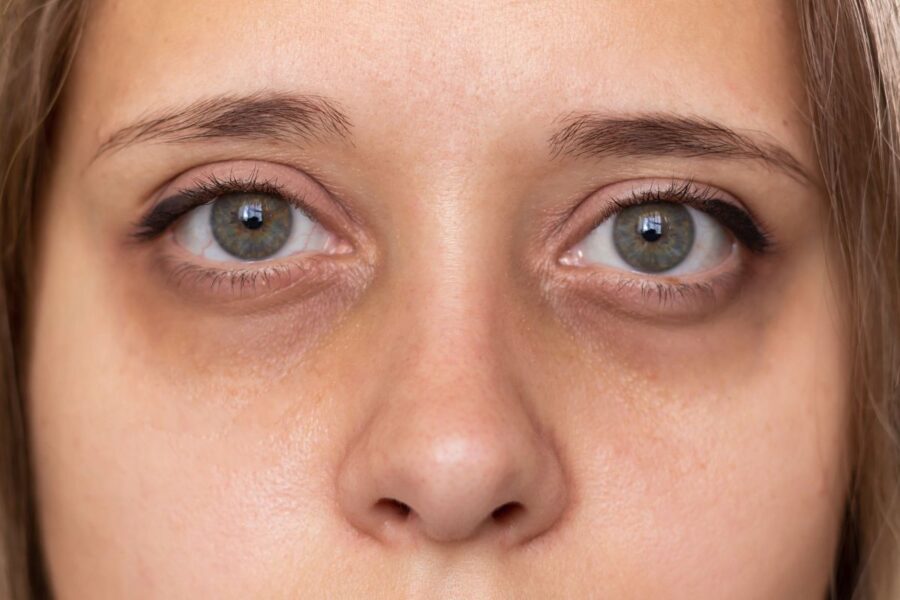
Most people call any darkness under the eyes “dark circles.” That one label covers problems with very different causes. Sometimes the skin itself is darker. Sometimes the skin is a normal colour but sits in a hollow that casts a shadow.
This guide explains the difference between under-eye pigmentation and hollowness. It covers how to check which one you have at home, which treatments suit each, and when to see a doctor.
Quick answer
Under-eye pigmentation is a colour problem. Hollowness is a shape problem.
- Pigmentation means the skin under your eyes contains extra melanin (the pigment that gives skin its colour). It can also mean blood vessels are showing through thin skin. It looks brown, blue or purple, and it stays the same in any light.
- Hollowness means volume has been lost under the eye, so a groove called the tear trough deepens and casts a shadow. It looks worse under overhead light and softer in even, front-facing light.
A simple stretch test can give you a first clue. If the darkness stays when you gently flatten the skin, pigmentation is likely. If it fades, hollowness is likely.
Colour-focused treatments such as brightening creams, peels and some lasers suit pigmentation. Volume-focused treatments such as hyaluronic acid filler suit hollowness. Many people have both, so a professional assessment is the most reliable way to choose.
Pigmentation vs hollowness at a glance
| Under-eye pigmentation | Under-eye hollowness | |
| What it is | Extra pigment, or visible vessels, in or under the skin | A shadow cast by a sunken groove |
| Typical colour | Brown, grey-brown, blue or purple | No true colour change; a shadow that looks grey or dark |
| Changes with lighting? | Very little | Yes. Worse under overhead light, softer under even light |
| Stretch test | Darkness usually stays | Darkness usually fades |
| Common causes | Genetics, sun exposure, eye rubbing, eczema or allergies, thin skin | Age-related volume loss, inherited face shape, bone structure |
| Treatments that target it | Sun protection, brightening skincare, peels, some lasers, microneedling | Hyaluronic acid filler, cheek (midface) volume, PRP, sometimes surgery |
What is under-eye pigmentation?
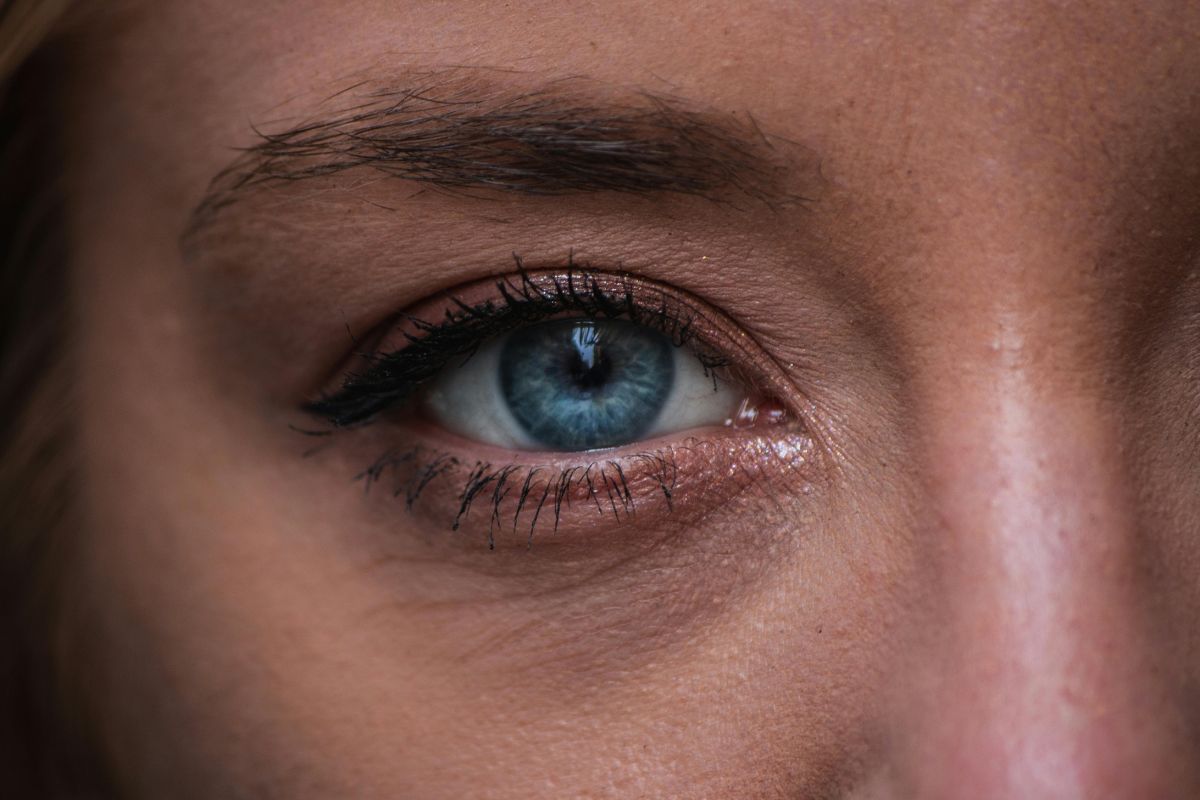
Under-eye pigmentation is darkening that sits in the skin itself, or just beneath it. Doctors call it periorbital hyperpigmentation, which means extra colour around the eyes. It usually appears in one of three ways.
Brown or grey-brown pigmentation
This comes from extra melanin. It often runs in families and is common in medium and deeper skin tones, including many South Asian skin types. Sun exposure can make it darker.
It is the same process behind why pigmentation appears on the face in other areas, such as the cheeks or forehead.
Blue or purple tones
These are known as vascular dark circles. The skin under the eye is very thin, so small blood vessels beneath it can show through as a bluish or purplish tint. This type often looks worse when you are tired, unwell or have puffy eyes.
Darkening after irritation
Eczema, allergies and frequent eye rubbing can inflame the delicate under-eye skin. As it heals, the skin may produce extra pigment, which leaves a darker patch. This is called post-inflammatory hyperpigmentation.
The key sign of pigmentation is that it stays fairly constant. It looks much the same whether you smile, tilt your head or move to a different room.
What is under-eye hollowness?
Under-eye hollowness is a change in contour, not colour. The tear trough is a natural groove that runs from the inner corner of the eye down toward the upper cheek. When the fat and soft tissue in this area thin out, the groove deepens. The skin above it falls into shadow.
Hollowness can come from:
- Ageing: gradual loss of fat, collagen and support in the midface
- Genetics: some people inherit deep-set eyes or less natural fat under the eyes, so hollows show up even in their teens or twenties
- Midface changes: when the cheek loses volume or sits lower, the under-eye area loses support from below
From a normal distance, that shadow looks like a dark circle, even if the skin colour is completely even.
How to tell the difference at home: the stretch test
The stretch test is a quick way to get a first idea of which problem you have. Clinicians use manual stretching of the lower eyelid skin as one way to tell true pigmentation from a shadow.
- Stand in natural daylight, facing a mirror.
- Look straight ahead and notice how dark the area looks.
- Place a fingertip at the outer edge of the under-eye area and gently pull the skin sideways, just enough to flatten it. Don’t tug.
- Watch what happens to the darkness.
If the colour stays, pigment in the skin is likely contributing. A blue or purple tint may even look more noticeable when the skin is stretched.
If the darkness fades or disappears, a hollow was probably casting a shadow.
You can also try a lighting check. Tilt your face up toward a window or shine a soft light directly at the under-eye area. Shadows soften; pigment stays.
These checks are not a diagnosis. Many people see a bit of both. A dermatologist or experienced practitioner can assess the area under controlled lighting and feel the bone and soft tissue to give a clearer answer.
Why choosing the wrong treatment wastes money
Most under-eye treatments are designed to fix either colour or volume, not both.
Filler won’t remove pigment. Hyaluronic acid filler adds volume. If your darkness comes from melanin or visible vessels, filling the area may smooth it, but the colour remains.
Filler placed too close to the surface can also cause a bluish tint, known as the Tyndall effect. This can make the area look darker, not lighter.
Brightening products won’t fill a hollow. Creams, peels and lasers that reduce pigment do little for a shadow, because the skin colour was never the main issue. The groove is still there.
This is why practitioners who treat the under-eye area increasingly emphasise careful assessment before choosing a treatment.
Treatments for under-eye pigmentation
The aim is to reduce excess melanin, protect the skin from further darkening and, for vascular types, make vessels less visible. Results are gradual, usually taking weeks to months.
- Daily sun protection. UV light deepens pigment. Use a gentle, broad-spectrum sunscreen around the eyes and wear sunglasses outdoors.
- Brightening skincare. Ingredients such as vitamin C, niacinamide and retinoids can help reduce pigment over time. Introduce one product at a time, keep it away from the lash line, and stop if it stings. Irritation can create more pigmentation, especially in darker skin.
- Prescription creams. A dermatologist may suggest stronger lightening agents for stubborn pigment. These need medical supervision.
- Light chemical peels. A course of mild peels can reduce pigment near the surface of the skin. They are less effective for deeper pigment.
- Laser and light treatments. Some lasers can reduce pigment or improve skin quality. The under-eye area is delicate, and lasers can sometimes cause temporary darkening, particularly on medium and dark skin. Our guide to facial laser hair removal vs waxing explains why skin tone matters when choosing a laser and a practitioner.
- Microneedling. Controlled tiny punctures stimulate collagen. This may thicken thin skin slightly and improve mild pigmentation, sometimes combined with a peel or serum.
What home remedies can and can’t do. Cold compresses, extra sleep and gentle care can make mild dark circles look fresher, mainly by reducing puffiness. They won’t remove deep pigment. Our article on what homemade face packs can and cannot do explains why lemon juice and other harsh DIY ingredients can make dark marks worse.
Treatments for under-eye hollowness
The aim is to restore lost volume so the groove softens and the shadow fades.
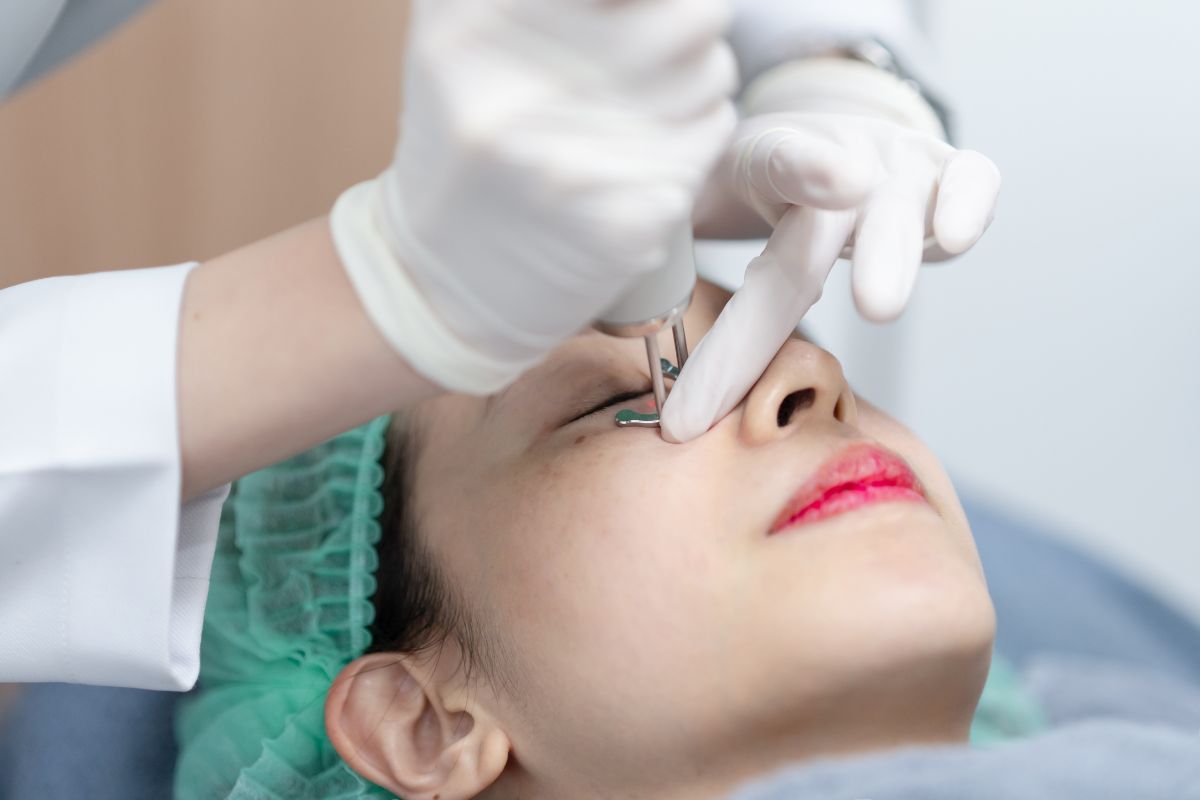
- Hyaluronic acid filler. A soft gel is injected carefully into the tear trough or nearby area. Results are visible straight away. How long they last varies with the product, the amount used and the person, often many months and sometimes longer. Possible side effects include bruising, swelling, lumps and, rarely, more serious complications. Choose a qualified medical practitioner with experience in this area.
- Cheek (midface) volume. Many practitioners now look at the cheek first. Restoring volume there can support the under-eye area from below, and in some people it reduces the need to inject directly into the tear trough.
- PRP (platelet-rich plasma). A concentrate made from your own blood is injected to encourage collagen and tissue repair. Results are subtler and more gradual than filler, and evidence is still developing.
- Surgery. When hollowness comes with significant bulging fat or loose skin, eyelid surgery (blepharoplasty) or fat repositioning may be more suitable than filler. An oculoplastic or plastic surgeon can advise.
- Supportive skincare. Retinoids and peptides may improve skin texture and thickness slightly. They can’t fill a true hollow.
What if you have both?
Having both is common. Dark circles often have more than one cause at the same time. For example, a deepening tear trough may sit on top of inherited pigment, or visible vessels may appear alongside early volume loss.
In these cases, practitioners often build a staged plan:
- Correct the volume first, if needed, so the shape is improved.
- Then treat any remaining colour with skincare, peels or laser.
- Maintain results with sun protection and gentle daily care.
Treating only one side of the problem usually gives a partial result.
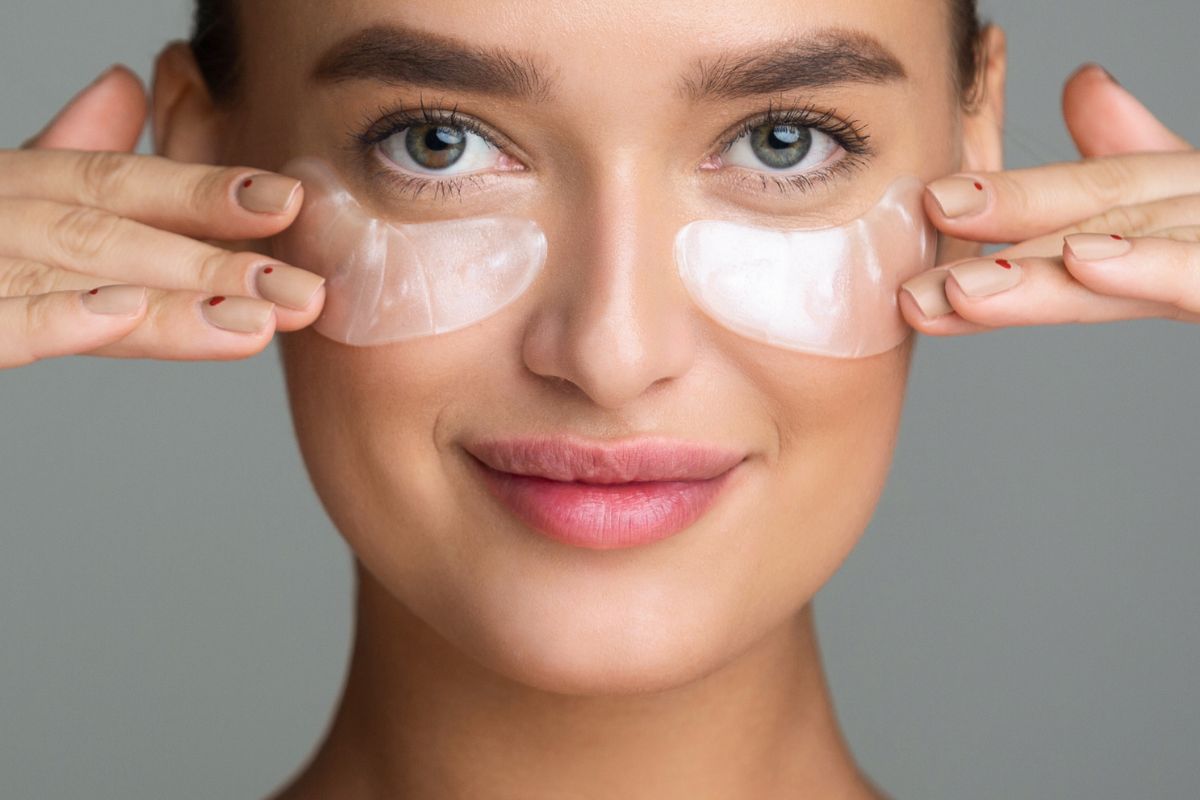
Everyday habits that help both types
- Avoid rubbing your eyes, especially if you have allergies.
- Get allergies and eczema treated, since ongoing inflammation can deepen pigment.
- Aim for regular, sufficient sleep. Tiredness makes both shadows and vessels look more obvious.
- Raise your head slightly on an extra pillow if you wake up puffy.
- Limit alcohol and stop smoking, as both can affect circulation and skin quality.
- Wear sunscreen and sunglasses every day.
When to see a doctor
Dark circles are usually a cosmetic concern rather than a medical one. Still, some signs are worth checking. According to Cleveland Clinic’s guide to dark circles under the eyes, darkness or swelling under just one eye should be checked by a healthcare provider, as it may point to an underlying condition.
See a doctor or dermatologist if:
- darkness appears suddenly, affects one eye only, or keeps getting worse
- it comes with swelling, pain, itching or changes in your vision
- you feel unusually tired or unwell, since a doctor may check for problems such as anaemia or thyroid issues
- you are unsure which type you have before paying for treatment
- you develop lumps, a bluish tint, swelling or pain after under-eye filler
The bottom line
Under-eye pigmentation and hollowness can look almost identical in a photo, but they are different problems. Pigmentation is colour in the skin; hollowness is a shadow from lost volume. Try the stretch test, then see a qualified practitioner who checks for both before you spend money on treatment.
For more practical guidance on skin and everyday health, explore our Health & Wellness guides.