
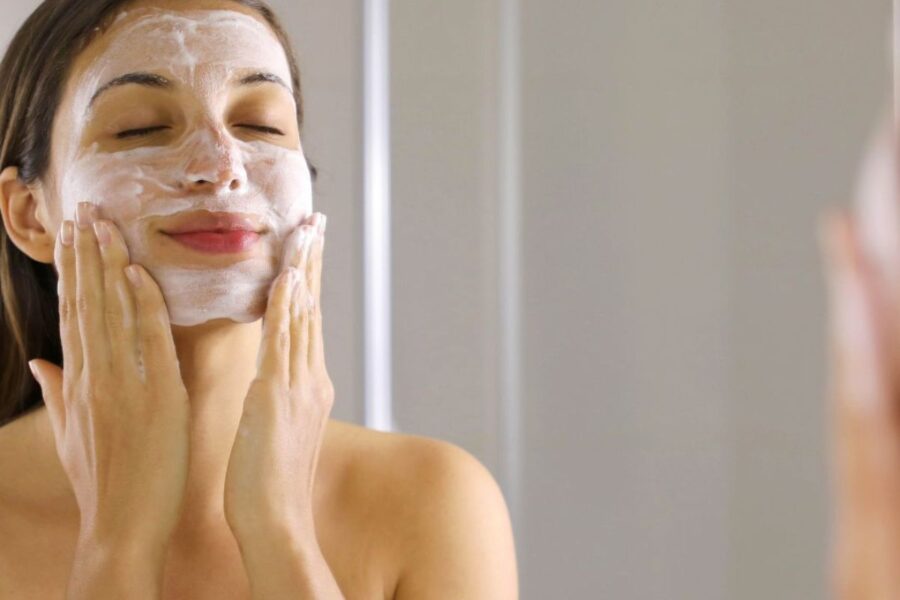
A simple homemade face pack can leave your skin feeling clean, soft and refreshed in about 15 minutes. This guide shares six gentle recipes made with everyday Indian kitchen ingredients, explains which skin type each one suits, and shows you how to patch test first.
You will also find out which popular DIY ingredients, such as lemon juice and raw egg, are better left in the kitchen, and how long that “instant glow” really lasts.
Quick answer
The gentlest homemade face packs for glowing skin use mild ingredients: besan (gram flour) with a pinch of turmeric and yogurt, multani mitti (Fuller’s earth) with rosewater for oily skin, honey with yogurt for dry skin, and cucumber with aloe vera for a cooling refresh.
Apply the pack to clean skin for 10 to 15 minutes, rinse with lukewarm water and moisturise. Once or twice a week is plenty for most people.
The glow you see afterwards is real but temporary. It comes from cleansing, hydration and light exfoliation, and usually fades within a day. Skip lemon juice and raw egg, use turmeric in tiny amounts, and patch test every new recipe, because natural ingredients can still irritate skin.
What a homemade face pack can and cannot do
A face pack is a paste you spread on your face, leave for a short time and rinse off. Homemade versions can:
- lift away surface oil and dirt
- make skin feel softer and more hydrated for a while
- gently exfoliate, which means loosening dead skin cells on the surface (yogurt’s lactic acid does this mildly)
- give you a relaxing ten minutes of self-care
They cannot change your natural skin colour, remove a tan overnight, treat acne or permanently fade dark spots. If uneven tone is your main concern, it helps to understand why pigmentation appears on the face and how to fade it safely before relying on kitchen remedies.
Are homemade face packs “chemical-free”?
No. Every ingredient, natural or not, is made of chemicals. Lemon juice, for example, is rich in citric acid. “Natural” also does not mean gentle: kitchen ingredients can sting, cause rashes or trigger allergies, just like shop-bought products. The real advantages of a homemade pack are that it is cheap, simple and you know exactly what is in it.

Before you start: patch test every new recipe
A patch test checks whether an ingredient irritates your skin before it goes on your face. The American Academy of Dermatology’s guide to testing skin care products recommends applying a product to a quarter-sized spot, such as the inside of your arm or the bend of your elbow, twice a day for seven to 10 days. For a wash-off product, leave it on as long as you normally would.
If your skin turns red, itchy or swollen, wash the mixture off gently and do not use it again. A cool compress can ease discomfort.
Because homemade packs are best made fresh, a full 10-day test means mixing a tiny amount each time. If you test for a shorter time, wait at least 24 to 48 hours before using the pack on your face, and remember that a short test can miss slower allergic reactions.
How to apply a homemade face pack
- Wash your face with a gentle cleanser and pat it dry.
- Mix a small, fresh batch in a clean bowl. Most recipes below make enough for one use.
- Spread a thin, even layer with clean fingers or a brush. Avoid your eyes, eyelids and lips.
- Leave it on for 10 to 15 minutes. Clay packs should be rinsed before they dry so hard that they crack and pull.
- Rinse with lukewarm water, using your fingertips. Do not scrub.
- Pat dry and apply your usual moisturiser. In the daytime, finish with sunscreen.
Discard leftovers. Mixtures made with yogurt, milk or fresh produce can spoil quickly.
6 gentle homemade face packs for glowing skin
1. Besan, turmeric and yogurt (most skin types)
This is a lighter take on the traditional ubtan.
- 1 tablespoon besan (gram flour)
- a small pinch of turmeric (haldi)
- 1 to 2 tablespoons plain, unsweetened yogurt
Mix into a smooth paste and apply for 10 minutes. Besan gives a gentle, polishing texture, and yogurt adds moisture and mild exfoliation. Turmeric is widely used in Indian skincare for its soothing reputation, but it stains skin and fabric yellow, so keep the amount tiny. Skip turmeric if you have very fair skin and an event the same day.
2. Multani mitti and rosewater (oily or combination skin)
- 1 tablespoon multani mitti (Fuller’s earth)
- enough rosewater to make a smooth paste
Multani mitti is an absorbent clay that soaks up excess oil, which can leave oily skin looking fresher and less shiny. Rinse after about 10 minutes, before it dries completely.
Clay can be too drying on its own for dry skin. If your skin is dry or combination, add 1 teaspoon of honey or aloe vera gel, or save this pack for your oilier T-zone only.
3. Sandalwood and rosewater (normal to oily skin)
- 1 teaspoon sandalwood (chandan) powder
- enough rosewater to make a paste
This pack has a pleasant scent and a cooling feel, which is why it is a long-standing favourite in Indian homes. It will not lighten your skin, despite how often sandalwood appears in “fairness” products. Sandalwood is a fragrant ingredient and can occasionally cause allergic reactions, so patch test before you use it.
4. Honey and yogurt (dry or dull skin)
- 1 teaspoon honey
- 1 tablespoon plain, unsweetened yogurt
Honey is a humectant, which means it draws water into the skin’s surface and helps it feel hydrated. Combined with yogurt, it makes a soft, comforting pack for skin that feels tight or looks tired. Leave on for 10 to 15 minutes and rinse well, as honey is sticky.
5. Cucumber and aloe vera (sensitive or sun-warmed skin)
- 2 tablespoons grated or blended cucumber
- 1 tablespoon pure aloe vera gel
Cucumber is mostly water and feels cool on the skin, while aloe vera gel is soothing for many people. This is a good pack for a hot day or when your face feels warm and puffy. It is not a treatment for a real sunburn. Blistered, painful or peeling skin needs proper medical care.
If you buy aloe gel, check the label for added fragrance or alcohol, which can sting sensitive skin.
6. Coffee with milk, or with coconut oil (normal or dry skin)
- 1 teaspoon very finely ground coffee
- 1 tablespoon milk (or 1 teaspoon coconut oil for dry skin)
This pack can make skin feel refreshed and awake. Pat it on and let it sit, rather than scrubbing, because coffee granules can be abrasive and rubbing can irritate the skin.
Use the coconut oil version only if your skin is dry and not prone to breakouts. Coconut oil can clog pores in some people, so skip it if you get acne.
Which face pack suits your skin type?
|
Skin type |
Best fit |
Go easy on |
|
Oily or acne-prone |
Multani mitti and rosewater; besan, turmeric and yogurt |
Coconut oil, heavy oils |
|
Dry |
Honey and yogurt; coffee with coconut oil |
Clay used alone |
|
Combination |
Multani mitti on the T-zone; honey and yogurt on cheeks |
Leaving clay on until it cracks |
|
Sensitive |
Cucumber and aloe vera |
Fragrant powders, coffee, anything that stings |
|
Normal |
Any of the six |
Using packs more than twice a week |
3 popular DIY ingredients to skip or rethink
Many face pack recipes that circulate online rely on ingredients that carry more risk than benefit.
Lemon juice
Lemon juice is often called a natural “bleaching agent”, but it is not a safe way to brighten your face. It is highly acidic and can cause stinging, redness and dryness.
Lemons also contain natural compounds that react with sunlight. On skin that is later exposed to the sun, this can cause phytophotodermatitis, a burn-like rash that may blister and leave dark patches behind. Since irritation itself can trigger new pigmentation, lemon can make the dark spots you wanted to fade look worse. This applies to honey-and-lemon and lemon-and-tomato packs too.
Tomato for de-tanning
Tomato is mildly acidic and may sting, especially on broken or sensitive skin. There is no reliable evidence that rubbing tomato on your face removes a tan. A tan fades as your skin naturally renews itself, and daily sunscreen is what stops it coming back. If you still want to try tomato, patch test first and rinse it off quickly.
Raw egg
Egg-white masks are popular for a “tightening” effect, but that feeling comes from a film that dries on the skin and disappears once you rinse. Raw eggs can carry Salmonella bacteria, and a runny mask spreads close to your mouth and onto your hands, sink and towels. Egg is also a common allergen. The small, temporary benefit is not worth the risk.
How long does the glow last?
Usually a few hours to a day. A face pack removes surface oil and dead cells and temporarily plumps the skin with moisture, so light reflects more evenly. That effect fades as your skin goes about its normal day.
Longer-lasting radiance comes from everyday habits:
- Daily sunscreen. Use a broad-spectrum sunscreen with SPF 30 or higher, even on cloudy days. Sun exposure is a major cause of dullness and uneven tone.
- Gentle cleansing. Wash your face twice a day with a mild cleanser and lukewarm water.
- Moisturiser. Hydrated skin looks smoother and reflects light better.
- Hands off. Picking spots can leave dark marks that last for months.
- Good timing. Skip face packs on freshly waxed, threaded or irritated skin, and wait until redness has settled. If facial hair removal often leaves your skin inflamed, our comparison of facial laser hair removal vs waxing explains the options.
When to see a doctor or dermatologist
Most reactions to a homemade face pack are mild and settle once you stop using it. Get medical advice if:
- redness, burning or itching lasts more than a day or two
- you develop blisters, oozing or a rash that worsens in sunlight
- dark patches appear after using a DIY remedy
- acne, pigmentation or dullness does not improve with gentle care
Seek emergency help straight away if your lips, eyes or face swell quickly or you have any difficulty breathing.

The bottom line
A homemade face pack for glowing skin can be a cheap, enjoyable way to refresh your face, as long as you choose gentle ingredients and patch test first. Think of the glow as a short-term boost, and build lasting radiance with sunscreen, gentle cleansing and moisturiser. For more practical advice on skin and everyday health, explore our Health & Wellness guides.