Yes, Tibetan Market Manali is worth a stop if you want rugs, thangkas, singing bowls or prayer flags, but give it about an hour, not half a day. It sits a short walk from Mall Road, near the Tibetan monastery, and rewards buyers who check quality before they bargain.
The main reason to go is craft stock you rarely see on the Mall Road strip: hand-knotted rugs, painted thangkas and hammered bowls, many of them sold around the Gadhan Thekchhokling Gompa, the monastery Tibetan refugees built in the 1960s.
The honest exception is winter wear. Most jackets and caps at Tibetan Market Manali are the same stock you’ll find all over town, so don’t make the walk just for those.
Our advice is simple. Walk over in the morning, see the monastery first, then shop with a short list and a rough budget in your head. If you’re planning a wider trip, browse every Manali travel guide in our Travel section before you go.
What Most Visitors Get Wrong About Tibetan Market Manali
Most people assume anything with a Tibetan design was made by Tibetans. Often it wasn’t. A lot of the stock is mass-produced elsewhere, and some visitor reviews complain that they found little that felt Tibetan at all.
Even the rug trade has changed. Tibetan rug weaving revived in exile communities in India and Nepal from the 1970s, but many weavers today aren’t Tibetan, and cheap machine-woven copies of traditional Tibetan rug designs are common. A Tibetan pattern tells you the style, not where or how the piece was made.
So treat Tibetan Market Manali as a place to find a few genuine pieces among plenty of filler. Here’s what we tell readers: decide what you want before you arrive, and walk away from anything you can’t check with your own eyes and hands.

Where Is Tibetan Market Manali and How Do You Reach It?
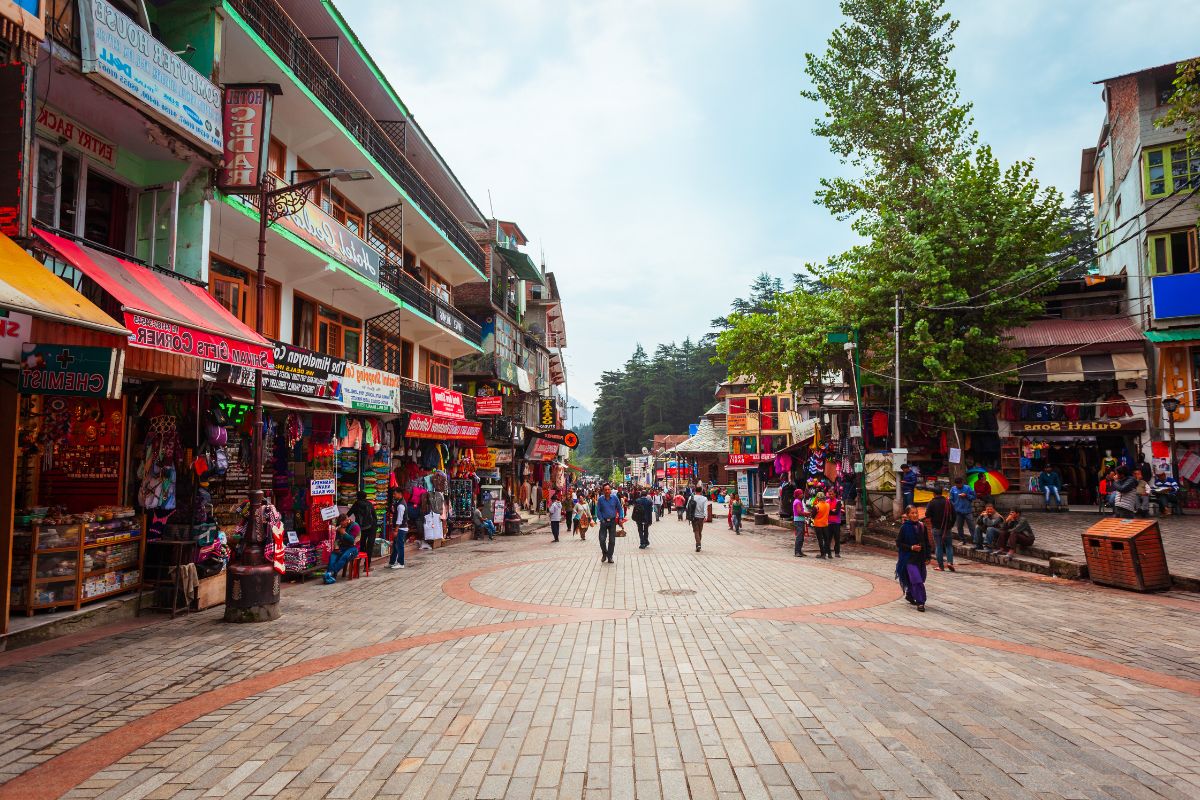
The shops spread along the lanes off Mall Road towards Siyal, around Gompa Road and the Gadhan Thekchhokling Gompa. From the main Mall Road stretch it’s a 5 to 10 minute walk, and some shops sit a level below the street, so look for steps leading down.
Don’t expect one building or a single gate. Tibetan Market Manali is a cluster of small shops and stalls, so it’s the best Manali market near Mall Road for anyone who wants Tibetan crafts rather than generic souvenirs.
Walk rather than drive. Regular vehicles aren’t allowed on Mall Road, parking nearby is tight, and the lanes are too narrow for a car to help. Autos and cabs wait around Mall Road if you have heavy bags on the way back to your hotel.
The Manali Gompa is the natural landmark and a good first stop. We checked the official Incredible India page on the Manali Gompa on 27 November 2026, and it suggests visiting in the morning or evening if you’d like to see the prayers.
Small shops in and around the monastery complex sell carpets and Tibetan handicrafts. That makes the complex a sensible place to get a feel for quality before you start comparing stalls in the lanes.
What Handicrafts Are Worth Buying Here?
Stick to things that are hard to find elsewhere in town and easy to check on the spot. These are the buys we’d focus on at Tibetan Market Manali, roughly in order of how much they reward a careful shopper.
Hand-Knotted Rugs and Carpets
A small hand-knotted wool rug is the single best buy at Tibetan Market Manali if your budget allows. Flip it over before you talk price. Hand-knotted rugs show every knot on the back, slightly uneven, while machine-made ones look perfectly regular or have a glued backing.
Ask what the pile is made of and rub it between your fingers. Wool feels springy and a little oily, while polyester feels slick and cool. For anything bigger than a doormat, get the size, material and price written on the bill.
Thangkas, Singing Bowls and Prayer Flags
Painted thangkas range from cheap printed copies to fine hand-painted scrolls. Zoom in on the faces and gold lines with your phone camera. Hand painting shows tiny brush variations, while a print shows a dot pattern up close.
Hand-hammered singing bowls carry small dents across the surface, while cast bowls are smooth and even. Ask to strike and rim a few, then pick the one whose sound lasts longest. Prayer flags are cheap, light and easy to pack, so they make good small gifts.
Shawls, Silver and Turquoise
Woollen shawls, silver jewellery and turquoise pieces are everywhere, and quality varies most here. Real silver is often stamped 925, though a stamp alone proves little. A perfectly even blue stone at a low price is very likely dyed or fake.
If you’re buying jewellery at Tibetan Market Manali, ask the seller to weigh silver pieces in front of you and write the weight on the bill. A seller who trusts their silver won’t mind, and one who refuses has told you something useful.
What Should You Skip at Tibetan Market Manali?
Skip the generic puffer jackets, printed wall hangings and cheap “pashmina” stoles. The jackets are the same stock sold across town, and a pashmina priced below a decent sweater is almost always a blend or acrylic. Buy one only if you like it at a blend price.
We’d also skip Kullu shawls from street stalls. The Kullu shawl was the first Himachal product registered under India’s Geographical Indications Act, and powerloom copies made outside the state have long been sold under that name.
For a genuine Kullu shawl, buy from a weavers’ cooperative outlet such as Bhuttico on Mall Road and look for the GI mark. It costs more than a street stall, and that’s the point. Leave loose saffron, shilajit and “herbal” powders alone too, since you can’t test any of them at a counter.
When Should You Visit Tibetan Market Manali?
Go between 10 am and noon. Most listings put shop hours at roughly 10 am to 7 pm, though hours vary by stall and season. A late-morning visit also lets you see the monastery first, and shopkeepers have more time for questions before the evening Mall Road rush.
Light matters as well. Many shops at Tibetan Market Manali are small and dim, so colours on rugs and shawls look different indoors. Carry anything you’re serious about to the doorway and check it in daylight before you pay.
Season changes the result too. November and the winter months bring fewer visitors and lower prices across Manali, though some cafés and restaurants close, so it’s a good time to bargain. In peak summer and holiday weeks, expect far less room to negotiate, and shop on a weekday if you can.
How Do You Bargain and Avoid Fakes?
Good bargaining here is mostly about comparison, not clever lines. A few minutes of homework will save you more than any haggling trick.
How to Bargain at Tibetan Market Manali Without Spoiling the Mood
Bargaining is normal at most stalls, but keep it friendly. Ask the price, say you’ll look around, and come back once you’ve seen two or three similar pieces. That one lap of the lanes saves more money than anything you say at the counter.
Before you start, check the fixed price of a similar item at the Himachal Emporium on Mall Road. It gives you a ceiling, so you know when a stall’s “best price” isn’t one. Pay by UPI where you can, and ask for a bill for anything expensive.
How to Spot Fakes and Avoid Scams
The most common trick isn’t theft, it’s mislabelling: acrylic sold as pashmina, white metal sold as silver, and printed thangkas sold as hand-painted. Test what you can, and don’t let anyone rush you with “last piece” or “special price, today only”.
Be careful with any shop that offers to ship a large carpet home for you. Get the rug’s details, the shipping cost and the delivery timeline on a signed bill, and pay the smallest deposit the shop will accept.
If a big purchase turns out to be fake, or a shop backs out of a promised refund, keep the bill and call the National Consumer Helpline on 1915. For threats or fraud on the spot, go straight to the local police.
How Does the Market Fit Into a Manali Day Plan?
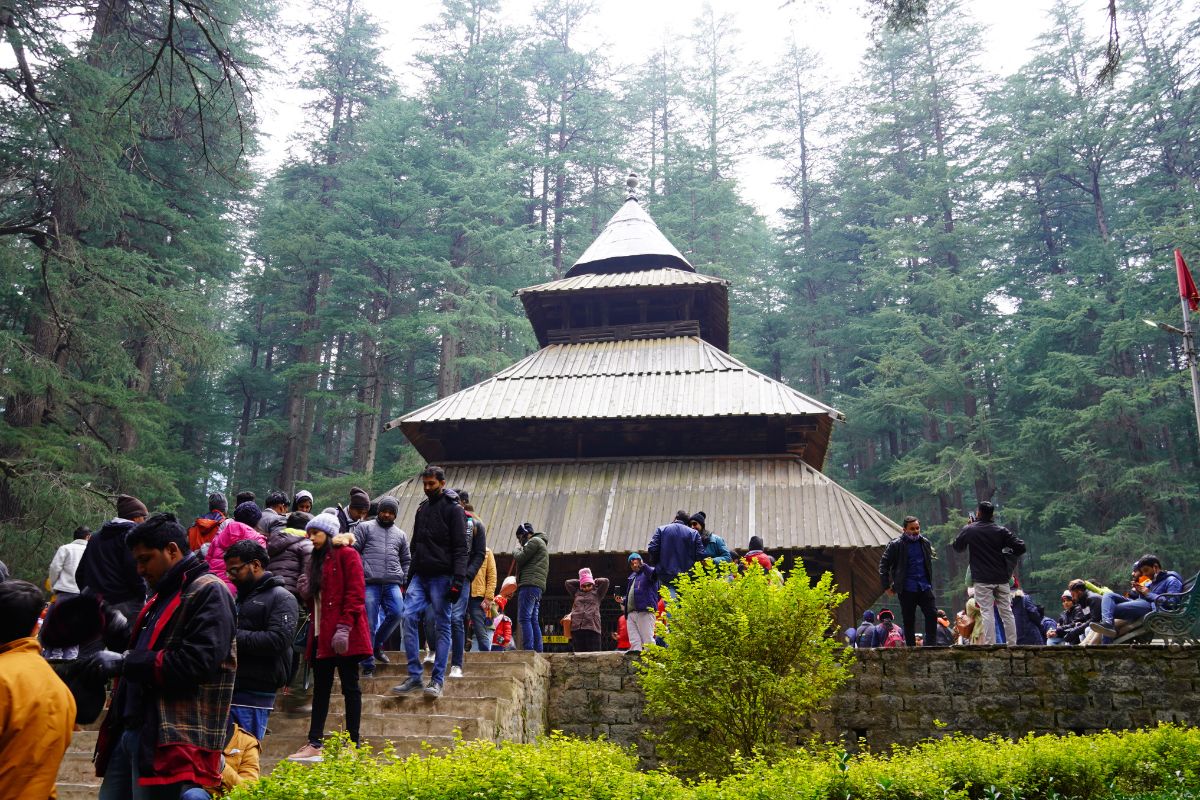
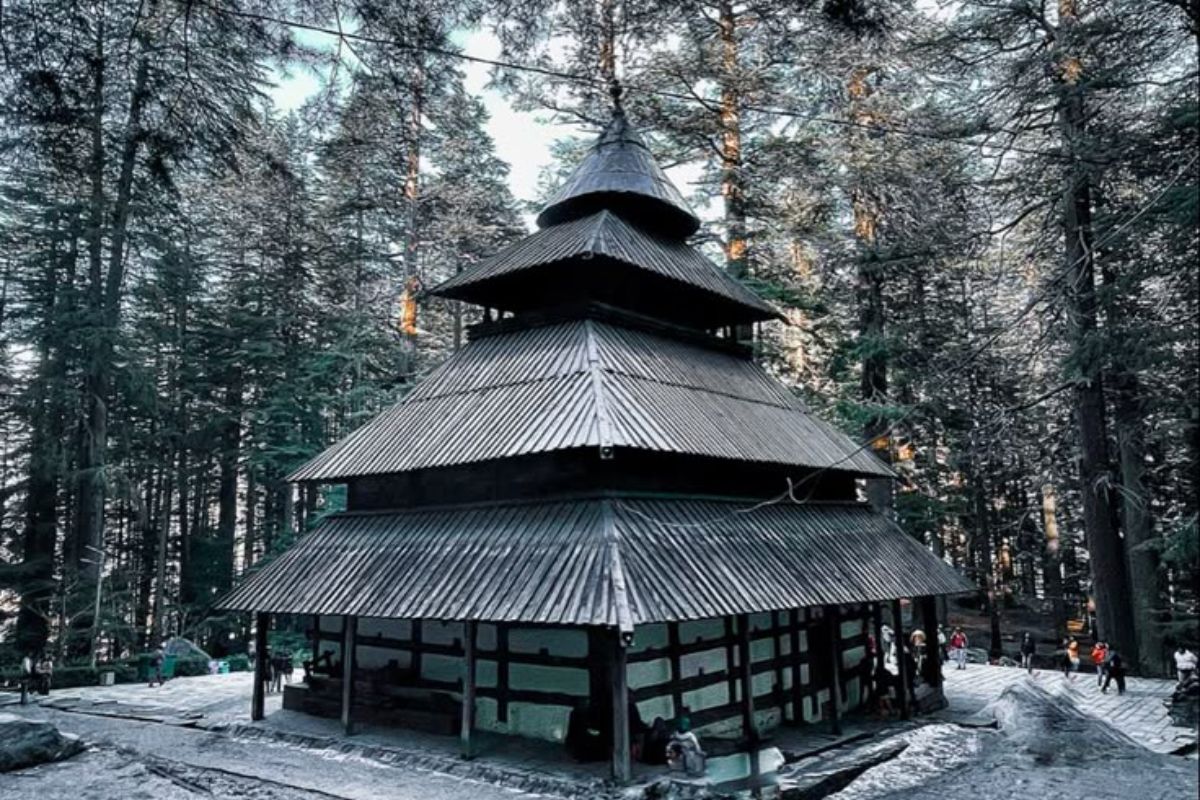
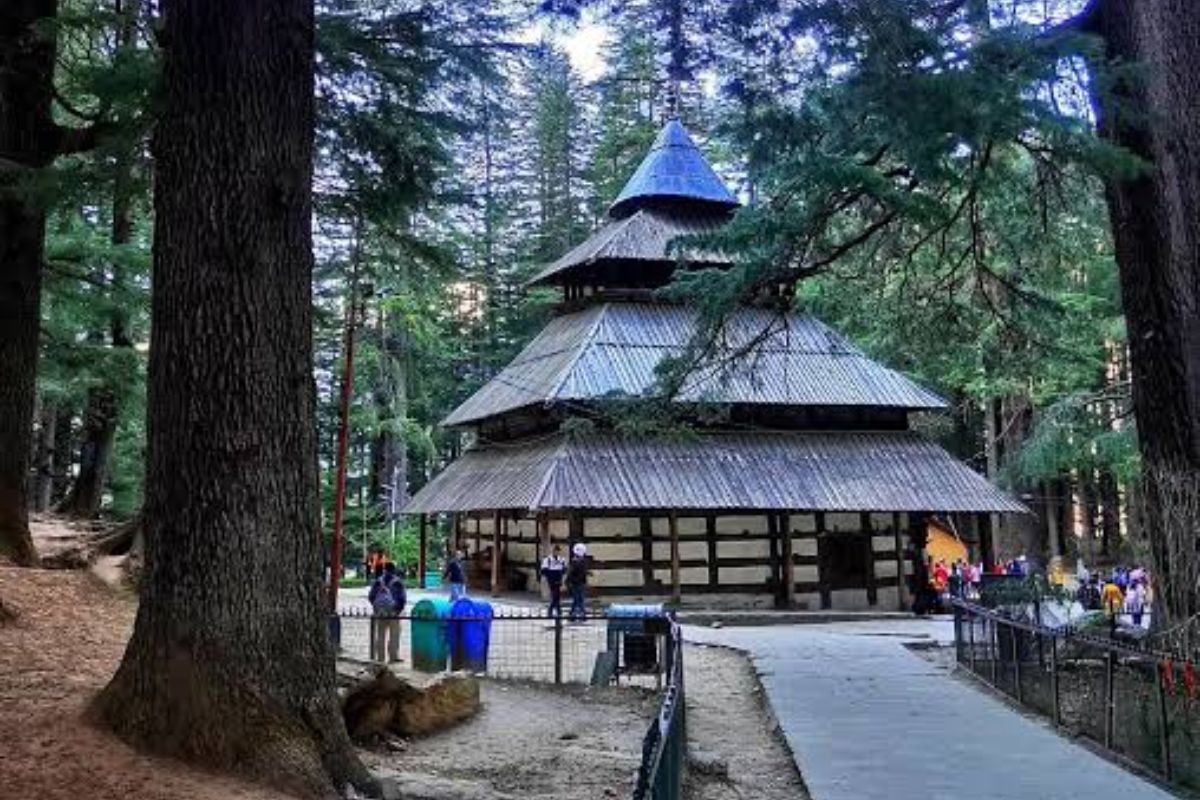
Tibetan Market Manali works best as a one-hour stop, not a whole day out. Pair it with the monastery and Mall Road in the morning, then head to Hadimba Temple or Old Manali after lunch. Our guide to fitting the main sights into one free day shows how that loop works.
The market is one of the easiest Manali day trip attractions to add, because it’s right in town and needs no transport. If you’d rather skip taxis altogether, see how to cover Manali local sightseeing without a private taxi.
When you get hungry, look for laphing at the small food stalls around Tibetan Market Manali. It’s a cold, spicy Tibetan noodle dish, cheap and filling, and a good reason to linger after the shopping’s done.
Longer stays open up quieter options. Our guide to villages near Manali you can explore on a day trip is a good next step once the town feels busy.
If you’d prefer calm over crowds, our list of quieter places near Manali without a long drive pairs well with a relaxed shopping morning.

Is Manali’s Tibetan Market Worth a Stop for Handicrafts?
Go if you want one or two meaningful pieces, like a small rug, a thangka or a good singing bowl, and you’re happy to check quality yourself. Skip it if your list is mostly jackets, caps and cheap shawls, because you’ll find the same things nearer your hotel.
We’d only plan a longer visit if you’re seriously shopping for a carpet. For everyone else, an hour at Tibetan Market Manali fits neatly into a two-day plan covering the main places in Manali, with time left for the temples and cafés.