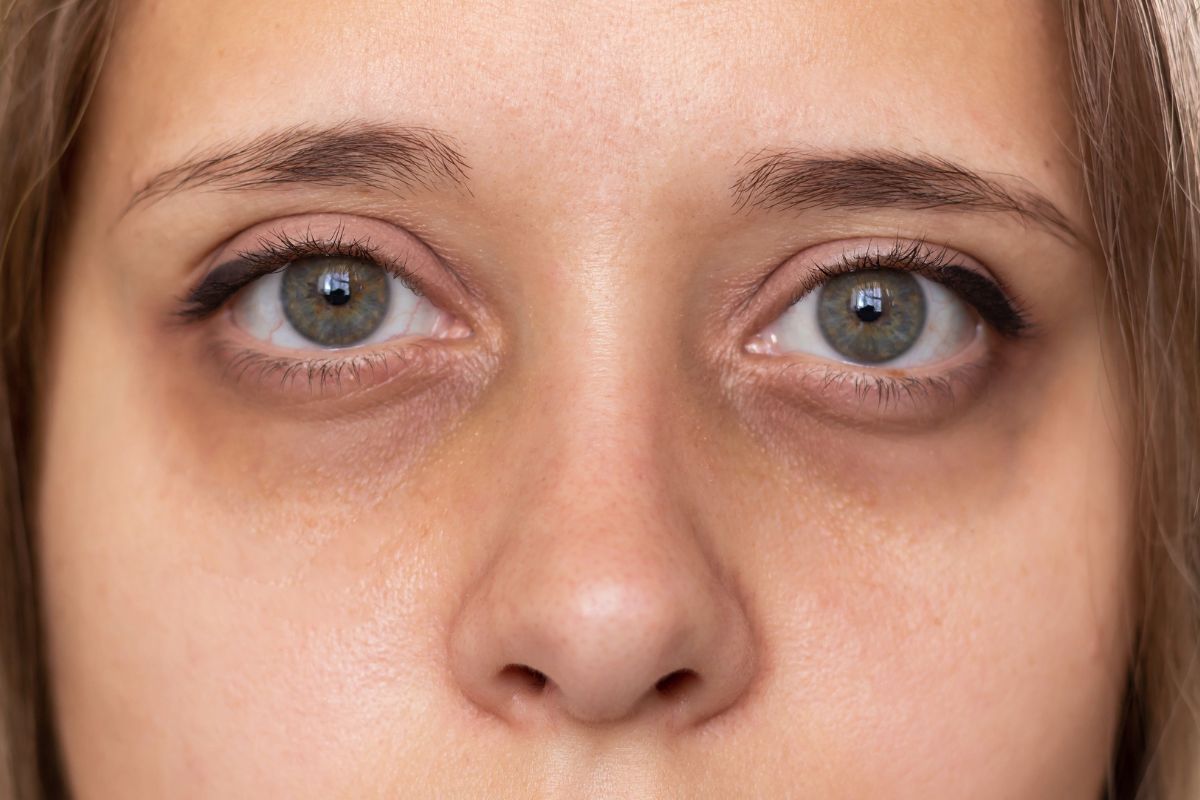

A vaginal yeast infection is one of the most common reasons women see a doctor or pharmacist about itching and unusual discharge. You may also have read that it can dull your complexion or cause rashes on your face.
This guide explains what a vaginal yeast infection is, whether it can really affect your face, how to recognise it, what causes it, how it is treated and when to get medical advice.
Quick answer
A vaginal yeast infection, also called vaginal thrush, happens when a fungus called Candida overgrows in the vagina. It usually causes itching, soreness and thick white discharge. It is common, usually mild and treatable with antifungal medicine.
There is no good evidence that a vaginal yeast infection makes your facial skin dull or darker. Candida can infect skin elsewhere on the body, but that is a separate skin infection, usually in warm, moist skin folds. Facial dullness and pigmentation have other, more common causes.
See a doctor if it is your first infection, you are pregnant, symptoms are severe, treatment has not worked, or infections keep coming back.
What is a vaginal yeast infection?
A vaginal yeast infection is a fungal infection of the vagina and vulva (the outer genital skin). Doctors call it vulvovaginal candidiasis. It is usually caused by Candida albicans, a yeast that normally lives in small amounts on the skin and in the mouth, gut and vagina without causing problems.
An infection develops when conditions in the vagina change and allow the yeast to grow out of balance. Hormones, some medicines and changes in the immune system can all play a part.
It is very common. US health authorities estimate that about 75% of women will have at least one vaginal yeast infection, and 40–45% will have two or more.
A yeast infection is not classed as a sexually transmitted infection (STI). You can get one without ever having sex, although sex can sometimes trigger symptoms.

Can a vaginal yeast infection affect your face?
Not in the way many online articles suggest. There is no reliable evidence that a vaginal yeast infection fades or dulls your facial complexion. The infection usually stays in the genital area.
The confusion comes from a few overlapping facts:
- Candida can infect the skin. This is called cutaneous candidiasis, a skin infection caused by the same type of yeast. It usually appears as a red, itchy rash in warm, moist folds, such as the groin, armpits, under the breasts and between the fingers. It can occasionally affect the face, for example at the corners of the mouth, in eyelid folds or under a face mask worn for long periods. This is a separate skin problem, not the vaginal infection spreading upwards.
- “Fungal acne” is usually a different yeast. Itchy, uniform bumps sometimes called fungal acne are typically caused by Malassezia, a yeast that lives on oily skin. It most often affects the upper back and chest, and it is not linked to vaginal infections.
- Some risk factors are shared. Poorly controlled diabetes, steroid medicines, antibiotics and a weakened immune system raise the risk of yeast infections in several parts of the body. If you have yeast infections in more than one place, a doctor can check for an underlying cause.
If your skin looks duller or patchier, sun exposure, hormonal changes, acne marks and irritation are far more likely causes. Our guide to why pigmentation appears on the face explains these causes and safe ways to treat them.
A new facial rash that is red, itchy, sore or spreading should be checked by a doctor or dermatologist rather than treated with a vaginal thrush product.
Symptoms of a vaginal yeast infection
Common symptoms of a vaginal yeast infection include:
- itching, irritation or soreness in and around the vagina and vulva
- thick, white discharge, often like cottage cheese, that does not usually smell
- stinging or burning when you pee, usually because urine touches irritated skin
- pain or discomfort during sex
- redness and swelling of the vulva
Symptoms are often mild. In more severe cases, the skin can become very red and swollen, with small cracks or sores.
The discharge does not always look “classic”. It can sometimes be thinner, and some people have no obvious discharge at all.
Symptoms in men
Men can get genital thrush too. It can cause irritation, burning and redness around the head of the penis and under the foreskin, a white discharge, an unpleasant smell and difficulty pulling back the foreskin. Inflammation of the head of the penis is called balanitis.
Is it a yeast infection or something else?
Several conditions cause similar symptoms, and studies show that many people who treat themselves for thrush actually have something else. Using the wrong treatment can delay the right one.
|
Condition |
Typical discharge |
Smell |
Other clues |
Usual treatment |
|
Yeast infection (thrush) |
Thick, white, clumpy |
Usually none |
Strong itching, redness, soreness |
Antifungal medicine |
|
Bacterial vaginosis (BV) |
Thin, grey or white |
Fishy, often stronger after sex |
Itching is usually mild or absent |
Antibiotics from a doctor |
|
Trichomoniasis (an STI) |
Yellow-green, sometimes frothy |
Often unpleasant |
Soreness, pain when peeing |
Antibiotics; partners need treatment too |
|
Irritation or allergy |
Often no change |
None |
Starts after a new soap, wash, pad or condom |
Stop the trigger |
These patterns are a guide only. A doctor can test a swab of discharge to confirm the cause. It is also possible to have more than one infection at the same time.
What causes a vaginal yeast infection?
A vaginal yeast infection happens when something upsets the balance between yeast and the protective bacteria in the vagina. You are more likely to get one if you:
- are taking, or have recently taken, antibiotics, which can reduce protective bacteria
- are pregnant
- use hormonal contraception such as the combined pill, or take hormone replacement therapy (HRT)
- have diabetes, especially if your blood sugar is poorly controlled
- have a weakened immune system, for example from HIV, chemotherapy or steroid medicines
- have irritated or damaged skin in the genital area
Many people get yeast infections without any clear trigger. Getting one does not mean you are unclean or did something wrong.
Does poor hygiene cause yeast infections?
Not usually. Over-washing is a more common problem than under-washing. Soaps, shower gels, douching (rinsing inside the vagina) and scented products can irritate the skin and disturb the vagina’s natural balance. Washing the vulva gently with plain water is enough.
Does sugar cause yeast infections?
The clearest link is with high blood sugar in people with diabetes, especially when it is poorly controlled. For people without diabetes, the evidence that eating sweets causes yeast infections is limited.
Cutting back on added sugar is good for your overall health, and our guide to foods and drinks worth limiting for your immune system explains how sugar affects immunity. But cutting out sugar will not cure an active infection. If you get frequent yeast infections, ask your doctor whether a blood sugar test is worthwhile.

How is a vaginal yeast infection treated?
Most vaginal yeast infections are treated with antifungal medicine. The main options are:
- Vaginal creams or pessaries (tablets inserted into the vagina), such as clotrimazole or miconazole. Courses usually last 1 to 7 days.
- A single tablet taken by mouth, usually fluconazole. In many countries this needs a prescription.
- An external antifungal cream to ease itching and soreness on the vulva.
Symptoms should clear within 7 to 14 days of starting treatment. Depending on where you live, some treatments are sold over the counter, and a pharmacist can help you choose one if you have been diagnosed with thrush before and recognise the symptoms.
A few practical points:
- Pregnancy: only antifungal creams or pessaries, used for 7 days, are recommended. Oral fluconazole should be avoided because it has been linked to pregnancy complications. Speak to your doctor or midwife before treating thrush in pregnancy.
- Condoms: many antifungal creams and pessaries are oil-based and can weaken latex condoms and diaphragms during treatment.
- Partners: a partner does not need treatment unless they have symptoms.
- Repeat use: do not use antifungal treatment more than twice in 6 months without speaking to a pharmacist or doctor.
- Mild burning: vaginal creams can sting at first. Stop and seek advice if burning is severe or symptoms get worse.
Recurrent yeast infections
Recurrent thrush usually means getting a vaginal yeast infection four or more times in 12 months, although US guidelines use three or more episodes in a year. It affects fewer than 5% of women.
If infections keep coming back, a doctor will usually:
- take a swab to confirm it is thrush and identify the type of yeast
- check for triggers such as diabetes, medicines, your periods or sex
- recommend a longer course of treatment, sometimes taken regularly for up to 6 months
Some less common types of yeast respond poorly to standard medicines, which is why testing matters when treatment keeps failing.
When to see a doctor
See a GP, gynaecologist or sexual health clinic if:
- you have symptoms of thrush for the first time
- you are under 16 or over 60
- you are pregnant or breastfeeding
- you have a weakened immune system, for example because of diabetes, HIV or chemotherapy
- treatment has not worked
- thrush keeps coming back
- you are not sure it is thrush
These points follow NHS guidance on thrush in men and women.
Get medical advice promptly if you also have a fishy smell, green or yellow discharge, sores or blisters, bleeding between periods or after sex, a fever, or pain in your lower tummy. These symptoms point to a different condition that needs its own treatment.
How to prevent vaginal yeast infections
You cannot prevent every infection, but these steps can lower your risk and help stop thrush returning:
- Wash gently. Use plain water, or an unperfumed emollient, on the vulva instead of soap or shower gel.
- Skip douches and scented products. Avoid vaginal deodorants, perfumed wipes and scented pads or liners.
- Dry properly. Pat the area dry after washing, and wipe from front to back after using the toilet.
- Choose breathable underwear. Cotton underwear may help reduce the chance of infection.
- Avoid tight clothing. Tight underwear, leggings and tights can trap heat and moisture.
- Change out of damp clothes quickly. Do not stay in wet swimwear or sweaty gym clothes for long periods.
- Take antibiotics only when prescribed, and exactly as directed.
- Manage diabetes. Keeping blood sugar within your target range lowers infection risk.
- Eat a balanced diet. It will not prevent thrush on its own, but it supports overall health. Our guide to the essential nutrients your body needs covers the basics.
Some common advice has no evidence behind it. Drinking extra water does not “flush out” a yeast infection, and changing your underwear several times a day is not necessary unless it becomes damp.
The bottom line
A vaginal yeast infection is common, uncomfortable and usually easy to treat. It does not dull your complexion, and a new facial rash deserves its own check-up. The most helpful steps are getting the right diagnosis, using antifungal treatment correctly and avoiding irritating products.
If you are pregnant, unsure of your symptoms or getting infections often, a doctor can help you find the cause and the right plan. For more practical guides, browse our health and wellness articles.