If you are thinking about straightening your teeth, one of the first things you will want to know is how long it will take. This guide compares Invisalign vs braces treatment time, explains what makes treatment longer or shorter, and covers the retainer stage that comes after. It also answers ten questions people often ask before starting.
Quick answer
Fixed braces usually stay on for about 1 to 2 years. Clear aligners such as Invisalign can sometimes finish sooner, but mainly because they tend to be used for milder cases. For mild to moderate crowding, recent research has not found a clear difference in treatment time between the two.
Your own timeline depends most on how complex your teeth and bite are, and how closely you follow your orthodontist’s instructions. After either treatment, you will need retainers to stop your teeth moving back.
How long do you have to wear braces?
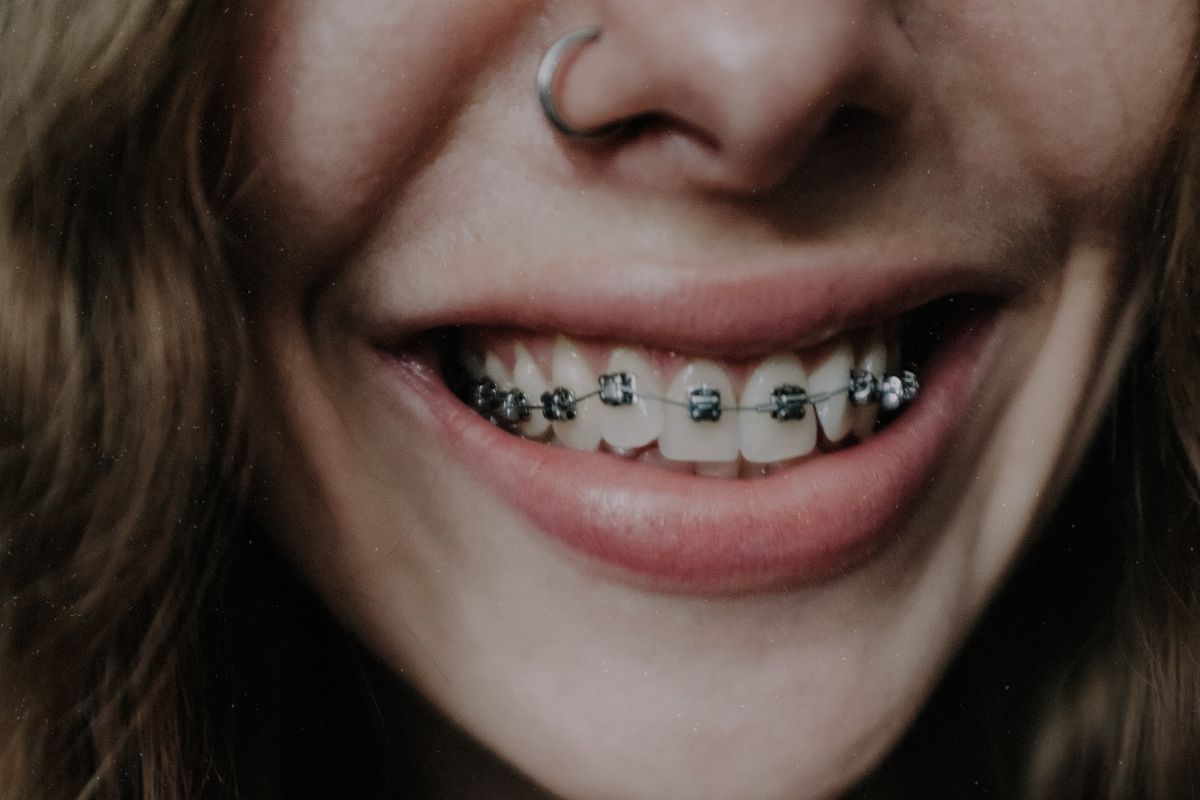
Most people wear fixed braces for around 1 to 2 years. According to the NHS guide to braces, people who qualify for NHS treatment are usually offered a fixed brace that stays in place for 1 to 2 years.
Some cases finish sooner. Others take longer, especially when the bite needs correcting, teeth need to be removed to make space, or the jaws themselves are out of line.
While you wear fixed braces, you will usually see your orthodontist every 6 to 8 weeks so they can adjust the brace.
How long does Invisalign take?
There is no single standard length for Invisalign. Your treatment time depends on how far your teeth need to move and how many aligners your plan includes.
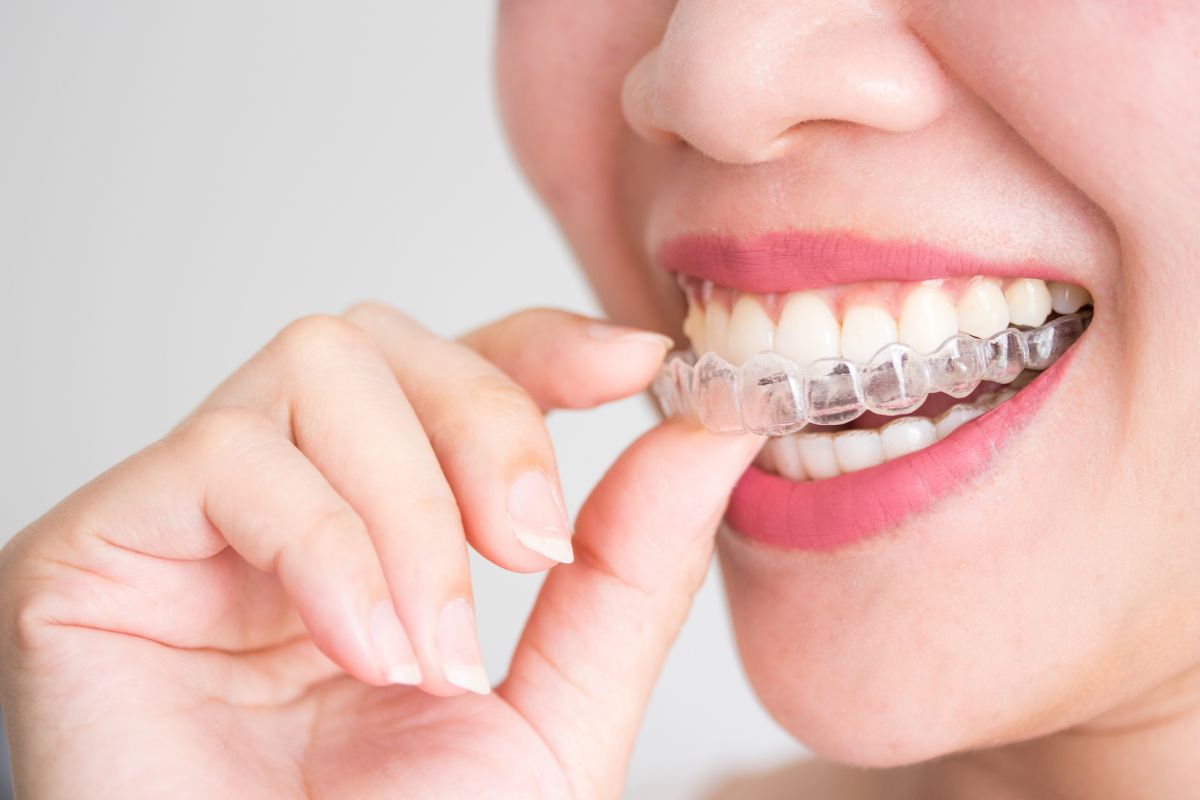
Invisalign is a brand of clear aligner. Aligners are thin, removable plastic trays made to fit your teeth. You wear a series of them, and each one moves your teeth a small step towards the planned position.
The British Orthodontic Society (BOS) says aligners are mainly used for mild to moderate problems, such as mild crowding or small gaps. They need to be worn full time, day and night, except at mealtimes. Invisalign advises wearing aligners for 20 to 22 hours a day.
Near the end, some people need refinements. These are extra aligners made from a new scan when some teeth have not moved quite as planned. Refinements are common and can add time, so it is worth asking how they are handled before you start.
Is Invisalign faster than braces?
Sometimes, but not always, and the evidence is weaker than marketing often suggests.
- A 2019 systematic review in BMC Oral Health (Ke and colleagues) found that people treated with clear aligners finished about six months sooner on average than those with fixed braces. However, this result came from only two studies, and aligner patients often had simpler problems. The same review found braces were better at some movements, such as controlling the angle of teeth and getting the back teeth to meet properly.
- A 2024 systematic review in Clinical Oral Investigations looked specifically at mild to moderate crowding. It found no significant difference in treatment time between aligners and fixed braces, although the certainty of the evidence was low.
In plain terms: for a straightforward case, aligners and braces may take a similar time. For a complex case, braces are often the more suitable choice, and an aligner plan may need extra help from other appliances.
What affects how long treatment takes?
How crooked your teeth are
Crowded, overlapping, rotated or widely spaced teeth all need different amounts of movement. The more a tooth has to move, the longer treatment tends to take.
Sometimes a tooth needs to be removed to create space. Your orthodontist will explain why if this is part of your plan.
Your bite
Your bite is the way your upper and lower teeth meet. Common bite problems include:
- Overbite or deep bite – the upper front teeth overlap the lower ones too much
- Underbite – the lower front teeth sit in front of the upper ones
- Open bite – the front teeth do not meet when the back teeth are closed
- Crossbite – some upper teeth bite inside the lower teeth
Correcting the bite usually takes longer than straightening teeth alone. When the problem comes from the position or size of the jaws, treatment may involve other appliances and, in some adults, jaw surgery.
The type of appliance
|
Appliance |
What it is |
Often suited to |
|
Metal fixed braces |
Metal brackets glued to the teeth, joined by a wire |
Simple to complex cases; the type most often used on the NHS |
|
Ceramic (tooth-coloured) braces |
Fixed braces with less visible brackets |
Similar cases to metal braces, for people who want them less noticeable |
|
Lingual braces |
Fixed braces glued to the back of the teeth, so they are hidden from view |
Selected cases; your orthodontist will advise whether you are suitable |
|
Clear aligners (such as Invisalign) |
Removable plastic trays changed in sequence |
Mostly mild to moderate crowding or spacing |
How well you follow the plan
This is the factor you control most. Treatment is more likely to run over if you:
- wear aligners for less than the advised time each day
- miss or postpone appointments
- break brackets or wires by eating hard, sticky or very chewy foods
- let plaque build up, leading to decay or gum problems that need treating first

How to keep your treatment on track
- Wear aligners as prescribed. Take them out only to eat, drink anything other than water, and clean your teeth. Put them back promptly.
- Use a case. Many lost aligners end up wrapped in a napkin at lunch.
- Keep every appointment. Your orthodontist needs to check progress and make adjustments on time.
- Clean carefully. Brush with fluoride toothpaste morning, night and after meals, and use an interdental brush around brackets.
- Limit sugary food and drink. Sugar raises the risk of tooth decay and white marks around brackets.
- Avoid hard and sticky foods with fixed braces. Cut food into small pieces and skip chewing gum.
- Keep seeing your dentist. Regular check-ups continue during orthodontic treatment, and they also give your dentist a chance to spot other problems early, such as the early signs of tongue cancer.
When to contact your orthodontist
Some soreness for a few days after braces are fitted or adjusted is normal. Soft food and over-the-counter pain relief can help.
Contact your orthodontist if:
- your teeth are still painful after a few days
- your gums are very red, swollen or painful
- a bracket, wire or aligner breaks
If something breaks out of hours and you are in pain, emergency walk-in dental services may be able to see you sooner. Let your orthodontist know afterwards.
What happens after treatment ends?
Once your braces come off or you finish your last aligner, you move to the retention stage. Retainers hold your teeth in their new positions. Without them, teeth tend to drift back.
The BOS says almost every patient needs retainers, and that wearing them long term helps keep teeth straight as you age. Retainers can be removable clear trays, removable plates with a wire, or a thin wire bonded behind the front teeth. Your orthodontist will tell you which type suits you and how often to wear it.
Choosing between Invisalign and braces
The right choice depends on your teeth, not just on preference. Before you decide, ask:
- Who is planning my treatment? A specialist orthodontist has extra training in tooth movement.
- Is my case mild, moderate or complex?
- Will I need teeth removed, elastics or other appliances?
- How long do you expect treatment to take, and what could make it longer?
- Are refinements, retainers and follow-up visits included in the price?
The bottom line
Braces and clear aligners can both straighten teeth well. Fixed braces usually take about 1 to 2 years, and aligners may be quicker for simple cases but are not always faster. A proper assessment from an orthodontist is the best way to get a realistic timeline for your own smile.
For more guides on looking after your body and wellbeing, explore our health articles.