

Your body needs a steady supply of nutrients to grow, repair itself, fight infection and turn food into energy. When those needs are met through a varied diet, your risk of several long-term diseases goes down.
This guide explains which essential nutrients matter most, which everyday foods supply them, how much you need, and when a supplement might actually help. It also corrects a few common myths along the way.
Quick answer
The foods your body needs to lower disease risk are vegetables, fruit, wholegrains, pulses (beans, lentils and chickpeas), nuts and seeds, and moderate amounts of fish, eggs, dairy and lean meat. Together they supply the essential nutrients: carbohydrates and fibre, protein, healthy fats, vitamins, minerals and water.
At the same time, limit added sugar, salt, saturated fat and highly processed foods. No single “superfood” protects you. Your overall eating pattern, kept up over years, is what makes the difference. Most healthy people who eat this way do not need supplements, although some groups do.
What are essential nutrients?
Essential nutrients are substances your body needs for normal health but cannot make at all, or cannot make in large enough amounts, so they must come from food and drink.
They fall into three broad groups:
- Macronutrients are needed in large amounts and provide energy: carbohydrates, protein and fat.
- Micronutrients are vitamins and minerals. You need them in tiny amounts, but they power thousands of chemical reactions, from building bone to making red blood cells.
- Water is needed in larger amounts than any other nutrient. It carries nutrients, regulates temperature and removes waste.
The World Health Organization (WHO) counts about 30 essential micronutrients, including 13 vitamins and 16 minerals.
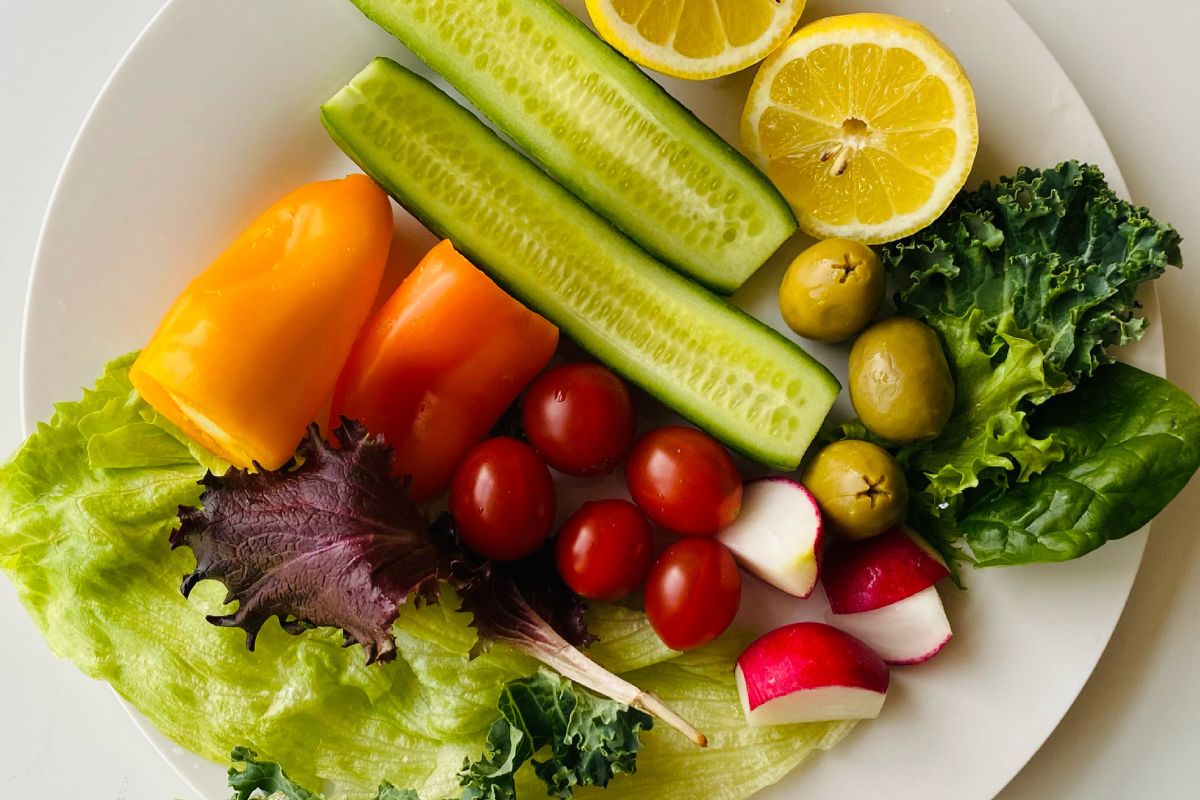
How does diet affect your risk of disease?
A healthy diet helps protect against malnutrition and against noncommunicable diseases (long-term conditions that are not passed from person to person), including type 2 diabetes, heart disease, stroke and some cancers.
Diet works in two directions:
- Too little of key nutrients can cause deficiency diseases, such as anaemia from low iron or weak, painful bones from low vitamin D.
- Too much of some foods, such as salt, added sugar and saturated or trans fat, raises the risk of high blood pressure, weight gain, heart disease and type 2 diabetes.
Deficiencies are more common than many people assume. WHO reports that more than half of children under five, and over two-thirds of non-pregnant women of reproductive age, are deficient in at least one key micronutrient, most often iron, zinc, vitamin A or folate.
Healthy diet targets at a glance
The targets below come from the World Health Organization’s healthy diet fact sheet, last updated in January 2026. They apply to most adults; children, pregnant women and people with medical conditions may have different needs.
|
Aim for |
Daily target for adults |
|
Fruit and vegetables |
At least 400 g (roughly five portions) |
|
Dietary fibre from food |
At least 25 g |
|
Carbohydrates |
About 45–75% of daily energy, mostly from wholegrains, vegetables, fruit and pulses |
|
Protein |
About 10–15% of daily energy (roughly 50–75 g on a 2,000-calorie diet) |
|
Total fat |
15–30% of daily energy |
|
Saturated fat |
Less than 10% of daily energy |
|
Trans fat |
Less than 1% of daily energy; avoid industrially produced trans fat |
|
Free sugars |
Less than 10% of daily energy (about 50 g, or 12 level teaspoons, on 2,000 calories); below 5% may bring extra benefit |
|
Salt |
Less than 5 g (about one level teaspoon, including salt already in food) |
|
Potassium |
At least 3,510 mg, mainly from fruit and vegetables |
“Free sugars” means sugars added to food and drinks, plus the sugars naturally found in honey, syrups and fruit juice.
Carbohydrates and fibre: your main energy source
Carbohydrates are your body’s main source of energy. Digestion breaks them down into glucose, which your cells use for fuel. Any glucose you do not need straight away is stored in your liver and muscles as glycogen, a ready-to-use energy reserve.
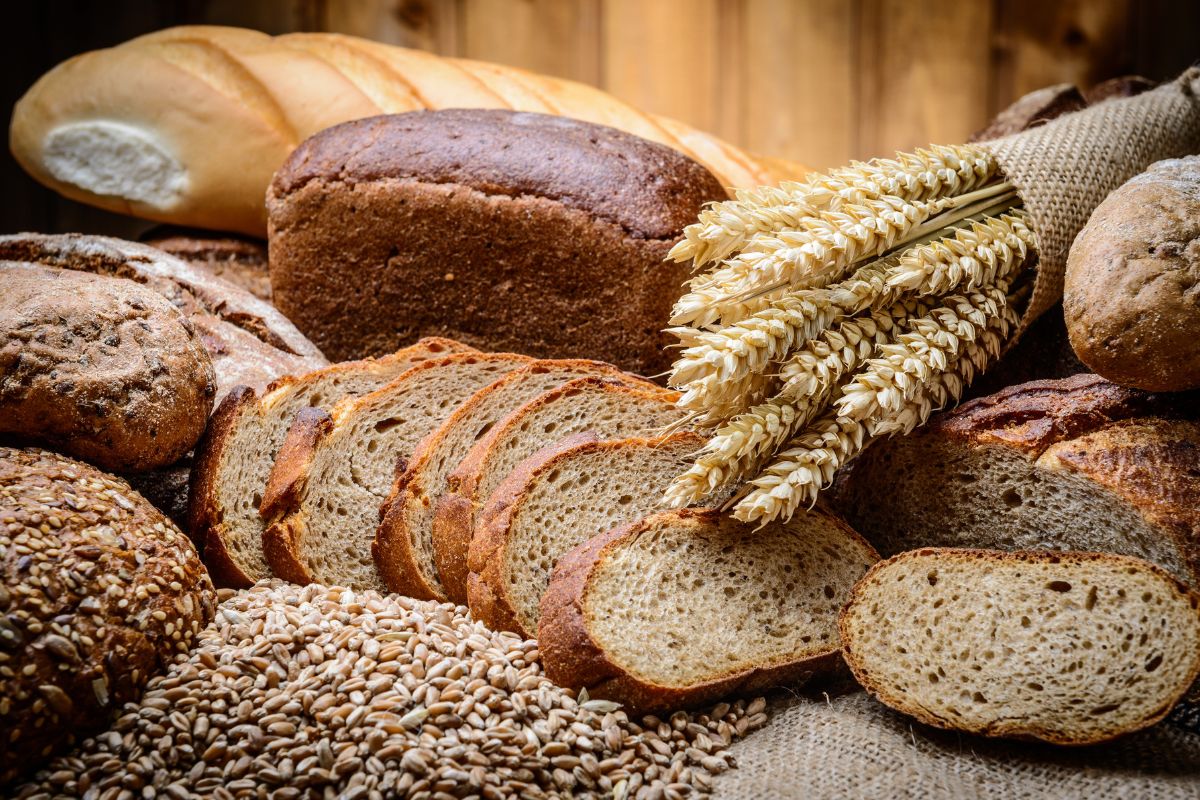
The type of carbohydrate matters more than the amount. Wholegrains such as oats, brown rice, millet and wholewheat, along with vegetables, fruit and pulses, also deliver fibre, vitamins and minerals. Refined foods such as white bread, sugary cereals and sweets provide energy with far less nutrition.
Fibre keeps your digestion regular, helps you feel full and feeds the gut bacteria involved in immune balance. Most people fall short of the 25 g target. Easy ways to add more include swapping to wholegrain bread, adding beans or lentils to curries and soups, and keeping the skins on potatoes.
Protein: how much do you need?
Protein supplies the building blocks for muscle, skin, hormones, enzymes and the antibodies your immune system uses to fight infection. Your body can also burn protein for energy, especially when you are not eating enough calories overall.
There is a recommended amount for adults. WHO says 10–15% of daily energy from protein is generally enough. Many national guidelines express this as about 0.8 g of protein per kilogram of body weight per day, which works out to around 48 g for a 60 kg adult or 56 g for a 70 kg adult.
Some people need more, including teenagers, pregnant and breastfeeding women, people recovering from illness, older adults trying to keep muscle and people doing regular strength training.
Good sources include:
- Plant foods: lentils, beans, chickpeas, tofu, soya, nuts, seeds and wholegrains
- Animal foods: fish, eggs, milk, yoghurt, paneer or cheese, poultry and lean meat
Very high protein intakes are not automatically better. WHO notes that excessive protein can place extra strain on the body, particularly the kidneys. If you have kidney disease, ask your doctor how much protein is right for you.
Fats: why quality matters more than quantity
Fat is essential. It helps your body absorb vitamins A, D, E and K, forms part of every cell, and supplies two fatty acids your body cannot make: linoleic acid (an omega-6) and alpha-linolenic acid (an omega-3).
What matters most is the type of fat:
- Choose more often: unsaturated fats from fish, nuts, seeds, avocado and oils such as olive, sunflower, soybean and canola (rapeseed).
- Limit: saturated fats from fatty meat, butter, ghee, cream, cheese, palm oil and coconut oil.
- Avoid: industrially produced trans fats, sometimes found in fried foods, biscuits, pastries and some packaged snacks.
Simple swaps help, such as steaming, grilling or boiling instead of deep-frying, and cooking with vegetable oil instead of butter or ghee.
Vitamins: fat-soluble and water-soluble
Vitamins are split into two groups based on how your body absorbs and stores them. This affects how often you need them and how easily you can get too much.
Fat-soluble vitamins (A, D, E and K)
Fat-soluble vitamins are absorbed along with the fat in your meals and stored in your liver and fatty tissue. Because your body holds on to them, you do not need them every single day. The flip side is that they can build up to harmful levels, almost always from high-dose supplements rather than food.
|
Vitamin |
Main roles |
Good food sources |
Worth knowing |
|
Vitamin A |
Vision, immune function, healthy skin |
Dark-green leafy vegetables, orange vegetables such as carrots and sweet potato, eggs, dairy, liver |
High-dose supplements can be harmful, especially in pregnancy |
|
Vitamin D |
Helps you absorb calcium for strong bones; supports muscles, nerves and immunity |
Oily fish such as salmon, mackerel and sardines; fortified milk and cereals; egg yolks; UV-exposed mushrooms |
Your skin makes it in sunlight. Low levels cause rickets in children and osteomalacia (bone pain and muscle weakness) in adults |
|
Vitamin E |
Antioxidant that protects cells; supports immune function |
Nuts, seeds, vegetable oils, green leafy vegetables |
Deficiency is rare in healthy people |
|
Vitamin K |
Blood clotting and healthy bones |
Spinach, kale, broccoli, lettuce, vegetable oils, soybeans |
Deficiency is rare but can cause bleeding and bruising |
For vitamin D, NIH recommends 15 micrograms (600 IU) a day for adults aged 19 to 70 and 20 micrograms (800 IU) from age 71, with an upper limit of 100 micrograms (4,000 IU) unless a doctor advises otherwise. Few foods contain much vitamin D, so people who get little sun, older adults and people with darker skin are more likely to run low.
If you take a blood thinner such as warfarin, keep your vitamin K intake roughly the same from day to day. Sudden changes can affect how well the medicine works.
Water-soluble vitamins (B vitamins and C)
Water-soluble vitamins dissolve in water. Your body stores only small amounts of most of them, and your kidneys remove what you do not need in urine. That is why you need a regular supply from food.
- B vitamins such as thiamin (B1) and riboflavin (B2) help release energy from food. Folate helps make DNA and new cells. Vitamin B12 keeps nerves and blood cells healthy and is found naturally only in animal foods, so vegans need fortified foods or a supplement.
- Vitamin C supports the immune system, wound healing and iron absorption. Good sources include citrus fruits, guava, kiwi, peppers, tomatoes and broccoli.
Wholegrains, pulses, leafy greens, eggs, dairy, fish and meat between them cover most B vitamins.
Choline: a lesser-known essential nutrient
Choline is not technically a vitamin, but it is an essential nutrient. Your body uses it to build cell membranes and to make acetylcholine, a chemical messenger involved in memory, mood and muscle control.
Your liver makes a small amount, but most of your choline comes from food, including eggs, meat, poultry, fish, dairy, broccoli, cauliflower, potatoes, beans, nuts and wholegrains. Very low intakes can cause liver and muscle damage, including fat build-up in the liver.
Minerals that matter for long-term health
Minerals are inorganic nutrients that help build bones and teeth, carry oxygen, control fluid balance and support the immune system.
|
Mineral |
Why you need it |
Where to find it |
|
Iron |
Carries oxygen in red blood cells; low levels cause anaemia |
Lean meat, fish, beans, lentils, leafy greens, fortified cereals |
|
Zinc |
Immune function, wound healing, growth |
Meat, shellfish, pulses, nuts, seeds, wholegrains |
|
Calcium |
Bones, teeth, muscle and nerve function |
Milk, yoghurt, cheese, fortified plant milks, tofu, leafy greens |
|
Potassium |
Helps control blood pressure and counter the effects of salt |
Fruit, vegetables, pulses, potatoes |
|
Iodine |
Thyroid hormones and brain development |
Iodised salt, dairy, fish, eggs |
|
Selenium, copper and magnesium |
Antioxidant defences, energy production, immune and nerve function |
Nuts, seeds, wholegrains, fish, pulses |
Pairing plant sources of iron, such as beans or spinach, with a vitamin C–rich food, such as lemon juice or tomatoes, helps your body absorb more of it.
Your immune system relies on many of these nutrients. Eating well supports it, but what you cut back on matters too. Our guide to foods and ingredients that can weaken your immune system explains which everyday foods are worth limiting.
Antioxidants: food first, not pills
Antioxidants are compounds that help protect your cells from damage caused by unstable molecules called free radicals. They include vitamins C and E, beta-carotene and selenium, plus thousands of plant compounds that are not vitamins.
Diets rich in fruit, vegetables, wholegrains, nuts, herbs and spices are linked to better health, and these foods are naturally high in antioxidants. The same benefit has not shown up for antioxidant pills. In 2022, the US Preventive Services Task Force (USPSTF), an independent expert panel, recommended against beta-carotene and vitamin E supplements for preventing heart disease or cancer, noting that beta-carotene raised lung cancer risk in some groups, such as smokers.
The practical message: get your antioxidants from a colourful plate, not a capsule.
Water: how much do you need each day?
Water makes up more than half of your body weight. It carries nutrients, cushions joints, regulates body temperature and helps your kidneys remove waste. Dehydration happens when you lose more fluid than you take in, and it can cause headaches, tiredness, dizziness and dark urine.
There is no single amount that suits everyone. The US National Academies set an adequate intake of about 2.7 litres a day for women and 3.7 litres for men, counting water from all drinks and food. The European Food Safety Authority suggests a lower 2.0 litres for women and 2.5 litres for men. Food usually supplies around a fifth of the total.
You are likely to need more in hot weather, during exercise, when you have a fever, vomiting or diarrhoea, and while breastfeeding. Pale yellow urine is a simple sign that you are drinking enough. Alcohol increases fluid loss, which is one reason heavy drinking leaves you feeling rough; our guide on how to get rid of a hangover covers rehydrating safely.
Drinking far more than you need can also be harmful, as it dilutes sodium in the blood. If you have heart or kidney disease, follow your doctor’s advice on fluids.

Do you need supplements?
Most healthy adults who eat a varied diet can get the nutrients they need from food. The USPSTF concluded in 2022 that there is not enough evidence to say whether multivitamins help prevent heart disease or cancer in healthy adults.
Supplements can be useful, or even necessary, for some people:
- People who are pregnant or planning a pregnancy, who usually need folic acid and sometimes iron or vitamin D
- Vegans and some vegetarians, who need a reliable source of vitamin B12
- Breastfed babies, who generally need a vitamin D supplement
- Older adults, who may absorb vitamin B12 less well and make less vitamin D in their skin
- People with little sun exposure or darker skin, who are more likely to have low vitamin D
- People with a diagnosed deficiency or a condition that affects absorption, such as coeliac disease or Crohn’s disease, or after weight-loss surgery
If you take supplements, check labels so you are not doubling up on the same nutrient across several products, and tell your doctor or pharmacist. Some supplements interact with medicines.
How to build a nutrient-rich diet: practical steps
- Fill half your plate with vegetables and fruit. Fresh, frozen and canned all count, as long as they have no added sugar or excess salt.
- Choose wholegrains such as oats, brown rice, millet and wholewheat roti or bread over refined versions.
- Eat pulses several times a week. Dal, rajma, chickpeas and beans add protein, fibre, iron and folate cheaply.
- Include a protein source at each meal, mixing plant and animal foods.
- Snack on nuts, seeds, fruit or plain yoghurt instead of chips, biscuits or sweets.
- Cook with unsaturated oils and use less butter and ghee.
- Taste before you salt, and limit stock cubes, pickles, sauces and salty snacks.
- Drink water as your main drink and cut back on sugary drinks and fruit juice.
If you are already unwell, fluids, rest and gentle food matter more than perfect nutrition. Our guide on how to get rid of winter bugs explains what helps during recovery.
When should you talk to a professional?
See a doctor if you have ongoing tiredness, unexplained weight loss, frequent infections, hair loss, pale skin, tingling in your hands or feet, or bone pain. These symptoms have many possible causes, and a nutrient deficiency is only one of them.
A doctor or registered dietitian can give personal advice if you are pregnant, have diabetes, kidney disease, heart disease or a digestive condition, follow a restricted diet, or are thinking about starting supplements.
Final thoughts
The essential nutrients your body needs come from familiar foods: vegetables, fruit, wholegrains, pulses, nuts, seeds and modest portions of fish, eggs, dairy and lean meat. Eaten regularly, they help lower your risk of heart disease, type 2 diabetes, some cancers and deficiency diseases. Small, consistent changes count for more than perfect days.
If you have symptoms that worry you, a long-term condition or specific dietary needs, a doctor or registered dietitian can help you plan what works for you. You can find more practical guides in our health articles.