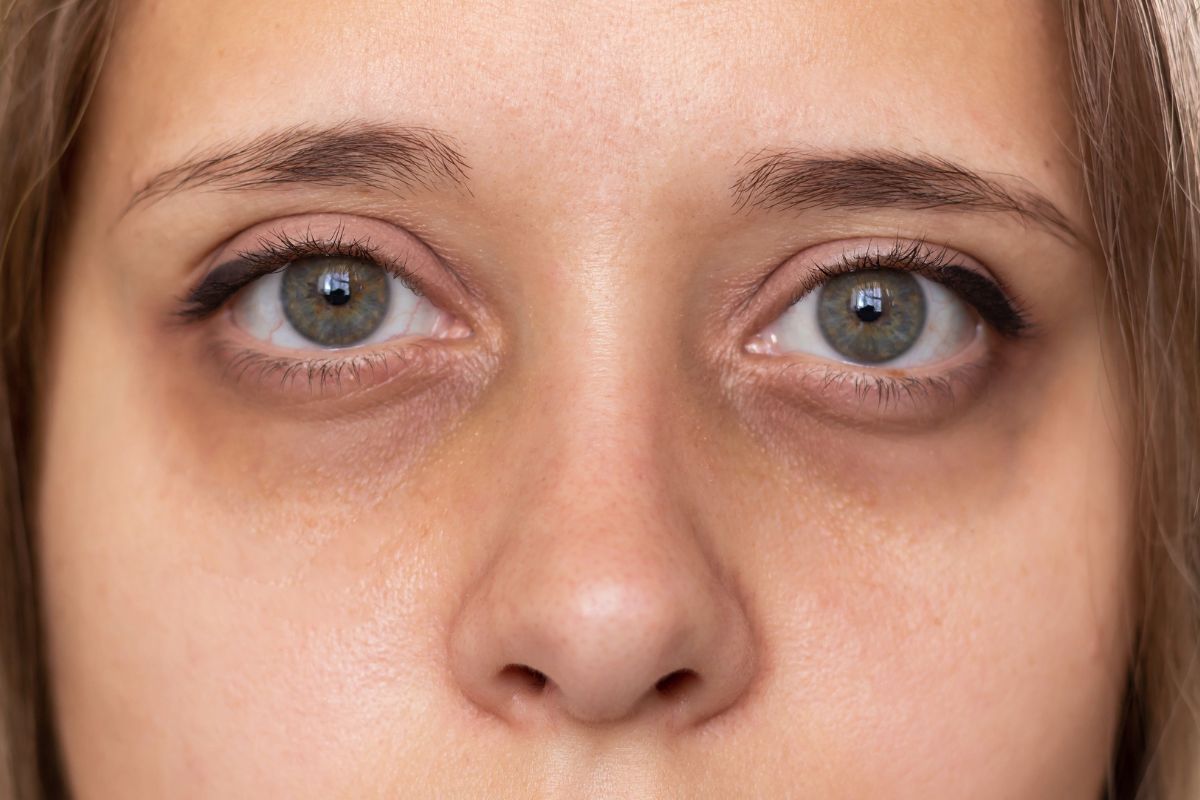

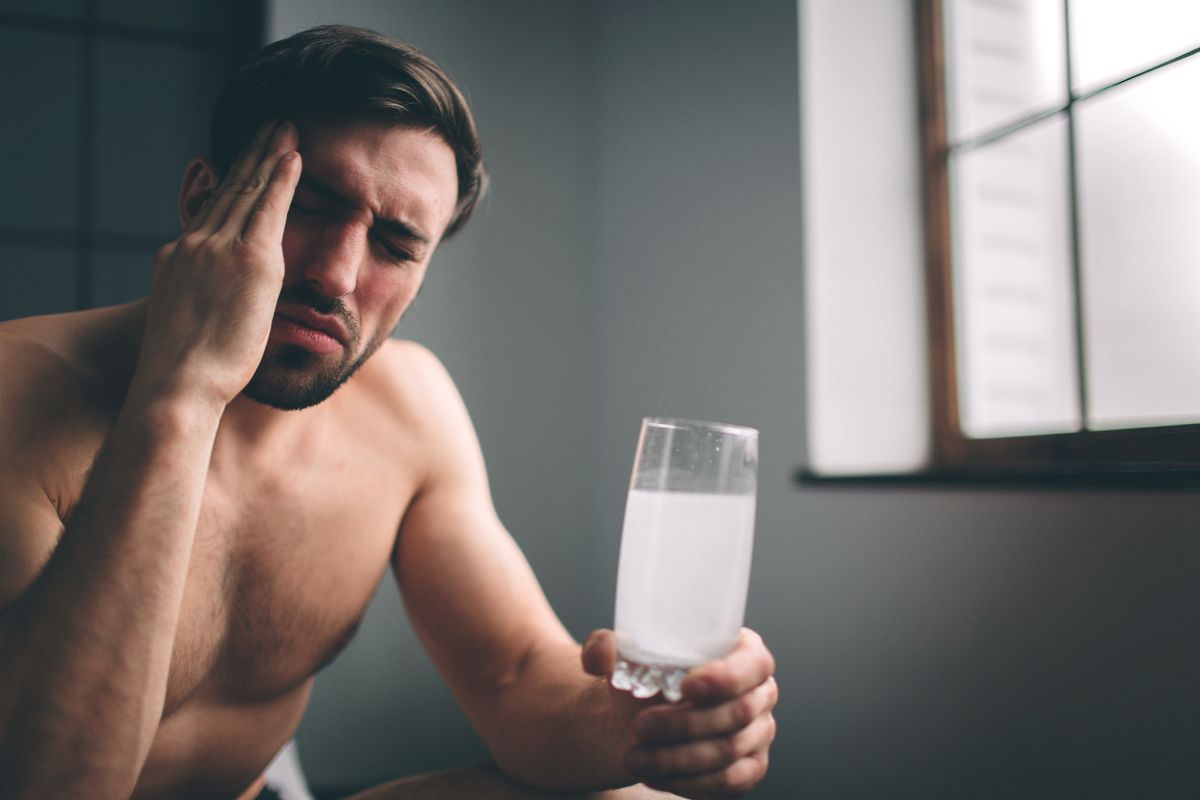
A pounding head, a queasy stomach and a foggy brain can make the morning after a party feel endless. If you are searching for how to get rid of a hangover, the honest answer is that nothing makes it vanish instantly. You can, however, ease the symptoms and help your body recover more comfortably.
This guide explains what a hangover is, which steps genuinely help, which popular remedies have little evidence behind them, and when symptoms need medical attention.
Quick answer
There is no proven cure for a hangover other than time. To feel better while your body recovers, sip water steadily, eat something bland, rest, and use a pain reliever carefully if you need one. Avoid more alcohol. Confusion, repeated vomiting, seizures, slow or irregular breathing, or being hard to wake are signs of alcohol poisoning and need emergency help.
What Is a Hangover?
A hangover is the group of symptoms that follows drinking too much alcohol. It usually starts as your blood alcohol level falls back towards zero, often the next morning.
Common symptoms include:
- Headache and sensitivity to light and sound
- Tiredness, weakness and poor concentration
- Thirst and a dry mouth
- Nausea, stomach pain or vomiting
- Dizziness or a spinning sensation (vertigo)
- Muscle aches and sweating
- Anxiety, low mood or irritability
- A faster heartbeat or raised blood pressure
Hangovers vary widely from person to person. Two people can drink the same amount and feel very differently the next day.
How long does a hangover last?
Symptoms are usually worst when your blood alcohol level returns to about zero. They often ease within a day, but they can last 24 hours or longer after very heavy drinking.

What Causes a Hangover?
Scientists do not fully understand hangovers, but several processes seem to work together:
- Mild dehydration: Alcohol suppresses a hormone that helps your kidneys hold on to water, so you urinate more.
- Poor sleep: Alcohol can help you fall asleep, but sleep becomes broken and you often wake early.
- Stomach irritation: Alcohol irritates the stomach lining and increases acid, which can cause nausea.
- Inflammation: Alcohol triggers an inflammatory response that may add to the general “unwell” feeling.
- Acetaldehyde: When your liver breaks down alcohol, it briefly produces acetaldehyde, a toxic by-product.
- Mini-withdrawal: As the calming effect of alcohol wears off, your brain can swing towards restlessness and anxiety.
- Congeners: Darker drinks such as bourbon, brandy and red wine contain more of these by-products of fermentation, which may worsen hangovers for some people.
Because several causes overlap, no single drink, pill or food can fix all of them.
How to Get Rid of a Hangover: 8 Steps That Help
The aim is to support your body while it clears alcohol and its by-products. These steps will not cure a hangover, but they can make the day more manageable.
1. Rehydrate steadily
Sip water regularly rather than gulping a large glass at once, especially if you feel sick. Small, frequent sips are easier to keep down.
If you have been vomiting or have diarrhoea, an oral rehydration solution can replace lost fluid and salts. A sports drink or coconut water is an alternative, though research has not shown that electrolyte drinks make a typical hangover less severe.
2. Eat something gentle
Eating can settle your stomach and give you energy. Start small with plain foods such as toast, crackers, rice, porridge, a banana or clear soup. Eggs on toast are a reasonable choice if you can manage protein.
People with diabetes should take extra care after drinking, because alcohol can affect blood sugar. Follow your usual care plan and seek advice if readings are unusual.
3. Rest and catch up on sleep
Alcohol disrupts sleep quality, so extra rest helps with the tiredness that makes a hangover feel worse. If you can, go back to bed or take a nap, and keep the room dark and quiet.
4. Use pain relief carefully
Over-the-counter pain relievers can ease a hangover headache and body aches, but each type carries risks when alcohol is involved.
| Pain reliever | What to know |
| Ibuprofen, naproxen or aspirin (anti-inflammatory painkillers, also called NSAIDs) | Like alcohol, these can irritate the stomach lining. Take them with food and water, and avoid them if you have stomach ulcers, kidney problems, take blood thinners or have been told not to use them. |
| Paracetamol (acetaminophen, sold in the US as Tylenol) | Alcohol and paracetamol together can strain the liver. Do not take it while drinking or as a bedtime “hangover prevention” dose after heavy drinking. If you drink heavily or regularly, or have liver disease, ask a doctor or pharmacist first. |
Whichever you choose, follow the label dose and check that cold or flu products you take do not contain the same ingredient. A pharmacist can help you choose safely if you take other medicines.
5. Settle your stomach
Nausea usually eases as the day goes on. Fresh air, small sips of fluid and bland food may help. Some people find ginger tea soothing; there is no good evidence that ginger treats hangovers, but it is a gentle option for most adults. Ginger supplements can interact with blood-thinning medicines, so check with a pharmacist if you take them.
Avoid greasy or spicy food until your stomach feels settled.
6. Have your usual coffee or tea, but do not overdo it
Caffeine will not cure a hangover, but your normal cup may ease grogginess. If you drink coffee every day, skipping it can add a caffeine-withdrawal headache. Keep to your usual amount, because more caffeine can make you jittery or upset your stomach.
7. Be kind to yourself if you feel anxious
Anxiety the morning after drinking is common enough to have a nickname: “hangxiety.” It is partly caused by your brain rebalancing after alcohol’s calming effect wears off, and poor sleep makes it worse.
Slow breathing, a short walk, food and rest can help. Try not to judge yourself harshly or make big decisions until you feel better. If anxiety after drinking happens often, or you drink to cope with anxiety, it is worth talking to a doctor.
8. Skip the next drink
Avoid drinking more alcohol to “take the edge off.” It may dull symptoms briefly, but it delays recovery and can prolong the hangover. After a heavy session, giving your body at least 48 hours without alcohol is sensible.
If you still feel unwell, avoid driving, operating machinery or doing safety-critical work. A hangover can impair attention, decision-making and coordination, and after very heavy drinking you may still have alcohol in your blood the next morning.
Popular Hangover Remedies: What the Evidence Says
Many products and home remedies claim to cure hangovers, but none has been scientifically proven to work. According to the US National Institute on Alcohol Abuse and Alcoholism (NIAAA), only time cures a hangover, and research has not linked electrolyte levels to how bad a hangover feels. A 2021 systematic review of 21 placebo-controlled trials, published in the journal Addiction, also rated the evidence for every remedy tested as very low quality.
| Remedy | What the evidence shows | Worth trying? |
| Sprite or soda water | A 2013 laboratory study found these drinks sped up an alcohol-processing enzyme in test tubes. It did not test people with hangovers. | Fine as a fluid if it settles your stomach; not a cure |
| Pickle juice | Contains salt and fluid, but there is no evidence it treats hangovers. | Optional; water or rehydration solution is simpler |
| Eggs and other foods with cysteine | One small 2020 trial in 19 men found high-dose L-cysteine supplements reduced some symptoms. A company selling the supplement funded it. No trial has tested eggs. | Eggs are a good gentle meal; benefit for hangovers unproven |
| Bananas and electrolyte drinks | Useful foods and fluids, but research has not shown that topping up electrolytes makes a typical hangover less severe. | Yes as gentle food and fluid, especially after vomiting |
| IV drips | No reliable evidence that they work better than drinking fluids, and they carry the small risks of any needle procedure. | Not needed for a typical hangover |
| DHM and other hangover supplements | Most evidence for dihydromyricetin (DHM) comes from animal studies. Human trials are small and inconsistent. | Unproven; check with a pharmacist if you take other medicines |
| “Hair of the dog” | More alcohol only postpones symptoms and may prolong the hangover. | No |
| Greasy fry-up | May be comforting, but there is no evidence it soaks up alcohol or speeds recovery. | Only if your stomach tolerates it |
| Cold shower or “sweating it out” | May make you feel more awake but does not speed alcohol clearance. Hard exercise or a sauna while dehydrated can add risk. | A gentle walk is fine; skip intense workouts |
| Oxygen bars | No scientific evidence they relieve hangovers. | No |
In short, spend your energy on fluids, food and rest rather than expensive fixes.
How to Prevent a Hangover Next Time
The only sure way to avoid a hangover is not to drink, or to drink less. If you do drink, these habits lower the risk:
- Eat before and while drinking. A meal with carbohydrates and some fat slows how quickly alcohol is absorbed.
- Pace yourself. Set a limit before you go out and count your drinks.
- Alternate with water or soft drinks. This slows your drinking and reduces how much alcohol you have overall.
- Notice which drinks affect you most. If darker drinks give you worse hangovers, choose clearer options or have less.
- Check your medicines. Some medicines, including sleeping tablets, anti-anxiety medicines, opioid painkillers and some antihistamines, interact dangerously with alcohol. Ask a pharmacist before drinking.
- Protect your sleep. Going to bed very late adds sleep loss to the effects of alcohol.
The order of drinks does not matter much. The old saying “beer before liquor” is a myth: the total amount of alcohol is what counts.
If you drink regularly, it can help to know that alcohol also affects sleep, the liver and the immune system. Our guide to foods and ingredients that can weaken your immune system looks at alcohol alongside other everyday habits.
When a Hangover Could Be Something More Serious
Most hangovers pass on their own. Some symptoms, however, point to alcohol poisoning or another problem.
Call emergency services for signs of alcohol poisoning
Call your local emergency number straight away (for example, 112 in India and across the EU, 999 in the UK, 000 in Australia or 911 in the US) if someone who has been drinking has:
- Confusion or stupor
- Difficulty staying conscious, or cannot be woken
- Vomiting while drowsy or unresponsive
- A seizure
- Slow breathing (fewer than 8 breaths a minute) or irregular breathing (gaps of 10 seconds or more)
- A slow heart rate
- Clammy, pale or bluish skin, or a very low body temperature
Do not wait for every sign to appear, and do not leave the person alone to “sleep it off.” If they are lying down, roll them onto their side to reduce the risk of choking. Cold showers, coffee and walking do not reverse alcohol poisoning.
Get medical advice if:
- You cannot keep fluids down, or vomiting continues for more than 24 hours
- You notice signs of dehydration, such as very dark urine, passing little urine or feeling faint
- You vomit blood or have severe stomach pain
- You hit your head while drinking and later have a severe headache, confusion or drowsiness
- Symptoms last longer than a day or two, or get worse instead of better
- You feel shaky, sweaty, very anxious or unusually agitated when you cut back after regular heavy drinking, which can signal alcohol withdrawal
If you also have a fever, diarrhoea or other people around you are unwell, a stomach bug may be to blame rather than alcohol. Our guide on how to get rid of winter bugs covers rehydration and warning signs for common infections.
Frequent hangovers can also be a sign that drinking is affecting your health. A doctor can talk through your options without judgement.
Final Thoughts
Knowing how to get rid of a hangover mostly means knowing what to skip. Water, simple food, rest and careful pain relief help you through the day, while more alcohol and expensive cures do little. If symptoms are severe, unusual or happen often, ask a health professional for advice. You can find more practical health guides on The Care Diary.