Yes, but there’s no ready-made directory of Indian veterinary clinics Sydney pet owners can simply pick from. Hindi or Punjabi help usually comes from one vet or nurse at an ordinary clinic, often on set days, so the fastest route is calling clinics around Parramatta, Blacktown and the north-west and asking directly.
The reason is simple. Clinics don’t have to advertise the languages their staff speak, and the NSW vet register is a check of registration, not a language directory. So a bilingual vet can work five minutes from your home and never appear on any list of Indian veterinary clinics Sydney families share.
When we checked on 12 November 2026, the most useful public list of Indian veterinary clinics Sydney residents could lean on was really a general language list run by a cat charity, and it named just one practice for Hindi and none for Punjabi. That’s thin, but it’s a start.
What you should do next: shortlist two or three clinics close to home, ring each one with a single clear question, and confirm the vet is registered. If your pet is unwell right now, skip all of this and go to the nearest emergency hospital. Our health and wellness guides follow the same rule: urgent care first, comfort second.
Can You Find a Sydney Vet Clinic with Staff Who Speak Hindi or Punjabi?
You can, but it takes a little legwork, because the Indian veterinary clinics Sydney residents talk about are usually ordinary practices with one or two bilingual staff. Western Sydney has large Hindi and Punjabi speaking communities, and help can come from a vet, a nurse or the person at reception.
That last point matters. A receptionist who speaks Punjabi can explain a booking, a bill or a medication label, which covers most of the stress in a routine visit. For a serious diagnosis, you’ll still want the vet’s explanation, ideally with a bilingual family member in the room.
What Most Searches for Indian Veterinary Clinics Sydney Get Wrong
Most people assume a language belongs to a clinic, but it belongs to a person. People change shifts, go on leave and move jobs, so a clinic that had a Hindi-speaking vet last year may not have one this month.
That’s why searching for Indian veterinary clinics Sydney wide often turns up nothing useful. Google matches the words on a page, and very few clinics describe themselves that way. Searching the clinic’s own team page for the words “Hindi” or “Punjabi” works far better.
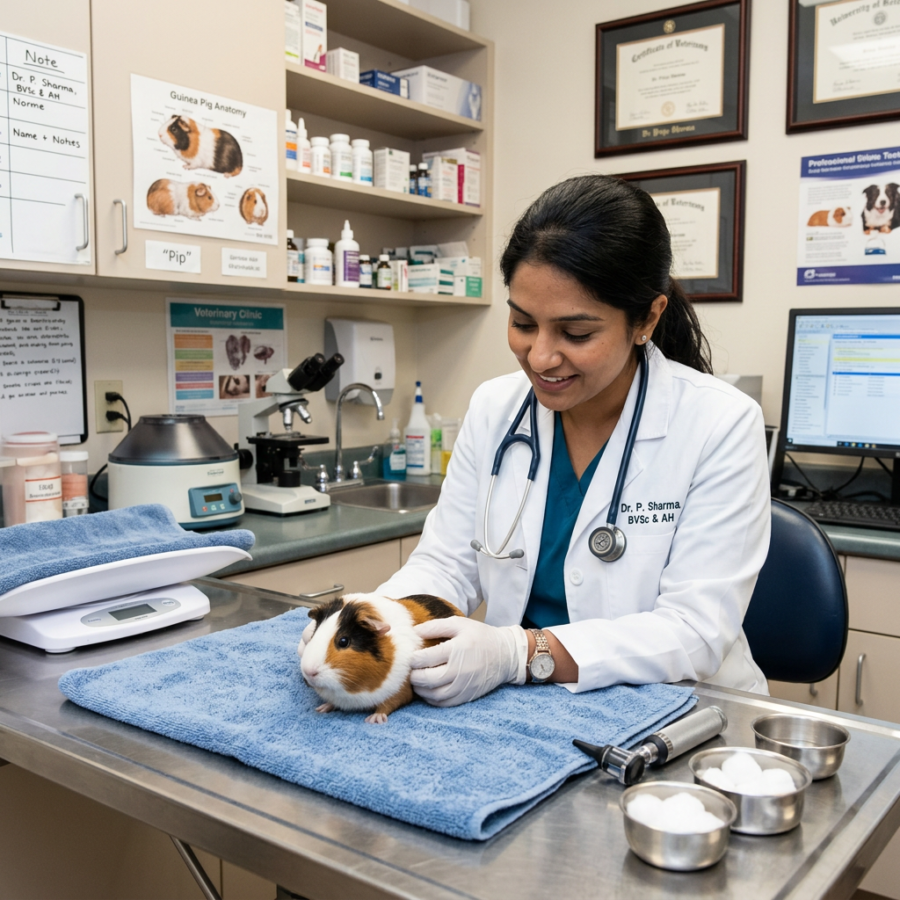
Another overlooked clue is the degree. Vets who trained in India usually hold a BVSc & AH (Bachelor of Veterinary Science and Animal Husbandry). It’s a hint, not proof, because universities in Nepal award a similar degree, so always confirm the language by phone.
Where Hindi and Punjabi Speakers Live in Sydney
Location tells you where to start calling. In Blacktown City, the 2021 Census found Punjabi (5.2%) and Hindi (4.4%) were the two most common languages after English. In Harris Park, often called Little India, Hindi was spoken in 11.6% of homes and Punjabi in 6.4%.
Further north-west, The Ponds recorded Hindi at 8.7% and Punjabi at 6.8%. Nationally, Punjabi grew by about 80% between 2016 and 2021 to more than 239,000 speakers, the fastest growth of any language. Indian veterinary clinics Sydney families rely on are most likely to sit in or near these suburbs.
In practice, that means Blacktown, Quakers Hill, Schofields, Rouse Hill, Kellyville, Parramatta, Westmead and Harris Park are the best places to begin your search for Indian veterinary clinics Sydney locals use. Glenfield, Liverpool and the south-west are worth trying too, since the only Hindi listing we found sits in Glenfield.
How to Find a Hindi or Punjabi Speaking Vet, Step by Step
This takes about an hour of phone calls and saves you turning up at a clinic hoping for the best. Do it before you need a vet, not during a crisis.
Start with the Cat Protection language list
The Cat Protection Society of NSW publishes a list of Sydney vet practices where staff speak languages other than English. Practices told the charity a staff member could help clients in that language, and the charity asks you to call and confirm.
On the day we checked, Hindi was listed at Vets for Pets Glenfield (02 9618 0177), and Tamil at Vets for Pets Moorebank. Punjabi, Gujarati and Urdu weren’t listed at all. The downloadable version is dated January 2024, so treat it as a lead, not a promise.
Search maps, reviews and team pages
Typing Indian veterinary clinics Sydney into Google Maps is a fair first pass, but clinic names alone won’t tell you much. Open each listing’s reviews and search them for “Hindi” or “Punjabi”, because reviewers sometimes name the staff member who helped them in their language.
Then read the “Meet the team” page on each clinic’s website. Many bios mention languages, and you’ll spot bilingual staff that a name search misses because the detail sits in a single line of a vet’s profile.
Ring clinics and ask one clear question
Here’s the exact question we’d use: “Does any vet, nurse or receptionist on your team speak Hindi or Punjabi, and which days do they work?” Asking about days is the time-saver. One western Sydney clinic we looked at lists a vet who speaks Cantonese and Mandarin and works only Tuesdays and Wednesdays.
If the answer is no, ask whether they know a nearby clinic that does. It costs nothing to ask, and it can save you another round of calls.
Check the vet is registered in NSW
Anyone practising as a vet in NSW must be registered with the Veterinary Practitioners Board of NSW, which keeps a public register. As at 30 June 2025, the Board counted 4,986 registered vets in the state, so a quick name search takes seconds.
This matters more than people think. Community groups sometimes pass around the number of “a doctor uncle who treats dogs,” and an unregistered person can’t legally perform restricted veterinary work. Indian veterinary clinics Sydney residents recommend should always pass this check.
Book the right day and the right time
Once you know the bilingual staff member’s days, book on one of them and ask for a longer consult if you’ll be discussing a new diagnosis. We’d pick an early slot, because delays tend to build as the day goes on.
Before you go, write your pet’s symptoms in English on your phone, including when they started and what your pet has eaten. Then ask the clinic to email discharge notes, so a family member can translate them at home. It’s a reasonable request at any clinic.
Is a Language Match Worth Driving Across Sydney For?
For check-ups, vaccinations and desexing, a bilingual vet is a real comfort, and a 20-minute drive is fair. We’d skip the long cross-city trip for routine visits, though, if it means changing from a clinic that already knows your pet’s history.
Here’s what we tell our readers: choose the closest good clinic first, then ask about language. Continuity of care beats a shared mother tongue, especially for older pets with ongoing conditions. Searching for Indian veterinary clinics Sydney wide only makes sense when your local clinic can’t communicate clearly with you.
The honest limit is that some suburbs simply won’t have a Hindi or Punjabi speaker on staff. In that case, a bilingual relative in the consult room and written notes cover most routine visits well.
Vet Bills, Estimates and Pet Insurance
Language barriers cost money when you agree to treatment you didn’t fully understand. Before any procedure, ask for a written, itemised estimate, and ask which parts are urgent and which can wait. You’re allowed time to think about non-urgent work.
We gave similar advice in our guide to choosing an emergency walk-in dentist: deal with the urgent problem, then take your time over big treatment plans. A shared language tells you nothing about the prices at Indian veterinary clinics Sydney families use, so compare consult fees by phone.
If you hold pet insurance, ask the clinic whether it can lodge claims on the spot, which saves you paying the full bill upfront. Our insurance guides cover how to read exclusions and waiting periods before you sign up.
Festival Food, Home Remedies and Other Risks
Festival seasons bring extra risks into the house. Grapes, sultanas, chocolate, onion and garlic are all toxic to dogs, and xylitol, a sweetener in some sugar-free sweets, is dangerous even in small amounts. Kheer with raisins and onion-heavy curries are easy ways for a dog to get them.
If you’re putting together Rakhi gift ideas or Diwali sweet boxes, keep them on a high shelf and tell visiting relatives not to share plates with the dog. Fireworks nights also frighten many pets, so keep yours inside with a radio on.
The bigger warning concerns remedies shared in WhatsApp groups. Never give a pet human painkillers: ibuprofen can harm dogs, and paracetamol is highly toxic to cats. Call a vet first, or if you’d rather hear the risks in Hindi or Punjabi, ring one of the Indian veterinary clinics Sydney families use when bilingual staff are in.
When to Skip the Search and Go Straight to an Emergency Vet
Language comes second when your pet is in danger. Go straight to an emergency hospital if your pet is struggling to breathe, collapses, has a seizure, has eaten something toxic, can’t pass urine, or has been hit by a car. Don’t spend time looking for Indian veterinary clinics Sydney wide in that moment.
The University Veterinary Teaching Hospital Sydney in Camperdown runs a 24/7 emergency service on (02) 9351 3437 and says it charges no after-hours surcharge. Animal Referral Hospital at Homebush is also open around the clock. Save one of these numbers in your phone today.
Most emergency teams use triage, which means the sickest animals are seen first. Bring a family member who speaks English if you can, and let the team know your language early so they can help you.
Finding Indian veterinary clinics Sydney families trust takes a few phone calls, not luck. Start close to home, ask the one clear question, and keep your emergency number saved. For more practical, money-aware advice, browse our personal finance guides too.
This guide is for general information only. Talk to a registered vet about your own pet’s health before changing any treatment.