Most of us don’t think about plumbing until something stops working. A slow drain, a tap that drips through the night, or no hot water on a cold Sydney morning can turn an ordinary day upside down. Knowing what a good plumber on the North Shore actually does — and how to pick one before you’re in a hurry — makes those moments far less stressful.
This guide explains the everyday jobs plumbers handle, what the work typically costs, how to confirm a plumber is properly licensed, and simple steps to prevent problems in the first place.
Quick answer
A plumber on the North Shore installs, repairs and maintains the water, drainage, hot water and gas systems in your home. In New South Wales, this work is licensed, so always hire a licensed plumber and check their licence before any work starts. For most households the priorities are the same: fix the urgent problem, get a clear written quote, and use a local professional who can respond quickly and explain what went wrong.
What does a plumber on the North Shore do?
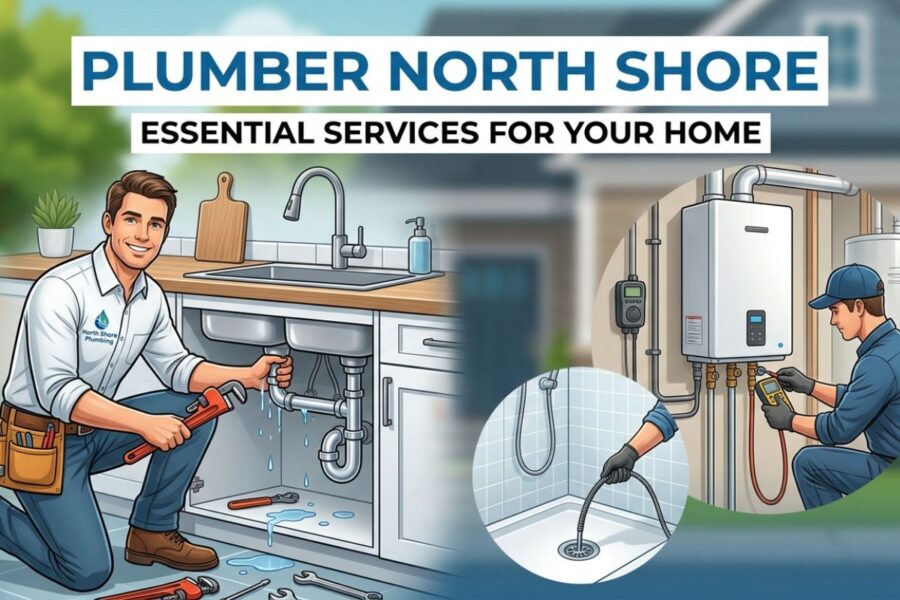
Plumbers do far more than unblock sinks. A licensed plumber can:
- Clear and repair blocked drains and damaged pipes
- Fix leaking or dripping taps and faulty toilets
- Install and repair hot water systems
- Respond to burst pipes and other emergencies
- Install bathrooms, kitchens and laundries during renovations
- Carry out gasfitting and drainage work (these are separate licence classes)
- Check your system for leaks and wear during routine maintenance
In NSW, plumbing, draining and gasfitting are classed as specialist work. A plumber’s licence card lists the exact categories they’re allowed to perform, so a general plumber and a licensed gasfitter aren’t always the same person.

Common plumbing problems in North Shore homes
Blocked drains
A slow-draining sink is usually the first warning sign. Common causes include tree roots growing into older pipes, grease and fat poured down the kitchen sink, hair and soap build-up, and objects accidentally flushed or dropped in. Left alone, a partial blockage can turn into a full backup, which is messier and more expensive to fix.
Dripping taps
A dripping tap is more than an annoyance — it quietly wastes water and adds to your bill. Most leaks come from a worn washer, a damaged tap spindle, loose components or corrosion in older tapware. Many are a quick fix if caught early. If you’re a confident DIYer, our guide to the causes of a leaking tap spindle and simple fixes to try is a useful starting point before you decide whether to call a plumber.
Hot water problems
No hot water is one of the most disruptive faults. It might be a minor part — a thermostat, element or valve — or it might mean the unit has reached the end of its life. Storage hot water systems commonly last around 10 to 12 years; some continuous-flow and heat-pump systems last longer with regular servicing. Because hot water units involve electricity or gas, they’re not a safe DIY job.
Burst pipes
Pipes can fail suddenly, especially in older homes. Water escaping under pressure can damage floors, cabinets and ceilings within minutes, so fast action matters. If a pipe bursts, turn off the water at the main and call a licensed emergency plumber (there’s a step-by-step checklist in the FAQs below).
Toilet trouble
Running toilets, weak flushing, blockages and hidden leaks are all common. A constantly running toilet can waste a surprising amount of water, and a poorly repaired one often leaks again, so it’s worth getting it done properly.
Why a local plumber is worth it
Hiring locally on the North Shore has real, practical advantages:
- Faster response times. When a toilet is overflowing, you don’t want to wait for someone travelling across Sydney.
- Local knowledge. North Shore housing ranges from heritage cottages to new builds, each with its own quirks in pipework and materials. A plumber who works the area regularly recognises these patterns.
- Accountability. Local tradespeople rely heavily on word of mouth, so a good reputation is something they actively protect.
How much does a plumber cost on the North Shore?
Costs vary by job, timing and the individual business, so treat the figures below as indicative ranges reported by Sydney plumbing providers rather than fixed or official prices.
| Charge | Typical range (indicative) | Notes |
|---|---|---|
| Call-out fee | ~$80–$120 | Covers travel and time to attend; some businesses credit it toward the job if you proceed |
| Hourly rate | ~$100–$150 | Varies with experience, job complexity and parts |
| After-hours / emergency | Higher than standard | Weekends and late nights usually cost more |
To avoid surprises, ask for an itemised written quote before work begins, and ask whether the price is a fixed rate or hourly plus parts. For bigger jobs, getting two or three quotes is a sensible way to understand fair pricing.
How to choose a licensed, reliable plumber
A few checks go a long way toward avoiding poor work and overcharging:
- Confirm the licence. In NSW, plumbing is licensed work (now overseen by Building Commission NSW), and you can verify any contractor’s licence free before they start using the official Service NSW check-a-licence tool. Make sure the licence is current and covers the type of work you need.
- Ask about insurance. A professional plumber should carry appropriate insurance.
- Get it in writing. A clear, itemised quote protects both sides.
- Read recent reviews. Look across Google, social media and local community groups for patterns, not just a single glowing comment.
- Be cautious of pressure. Be wary of anyone quoting a very large price on the spot, pushing you to decide immediately, or refusing to explain the work. If a quote feels high, it’s reasonable to pause and seek a second opinion.
A good plumber doesn’t just fix the problem — they show you what went wrong and how to avoid it next time.
Preventive maintenance saves money
Plumbing isn’t only about reacting to emergencies. Simple upkeep prevents many problems and is far cheaper than a major repair. Think of it like servicing your car. Worthwhile checks include:
- Looking for small leaks under sinks and around the hot water unit
- Flushing the hot water system as recommended by the manufacturer
- Inspecting pipework, especially in older homes
- Keeping gutters and downpipes clear so water drains away properly
You’ll find more seasonal upkeep ideas in The Care Diary’s home improvement articles.
Water-efficient and eco-friendly upgrades
Small plumbing changes can noticeably cut water and energy use. Under the Australian Government’s Water Efficiency Labelling and Standards (WELS) scheme, taps, showers, toilets, washing machines and dishwashers carry a star rating from one to six — the more stars, the less water a product uses.
Upgrades worth considering:
- Water-efficient tapware with aerators or flow restrictors, which can cut tap water use substantially compared with standard fittings
- Dual-flush toilets, which use far less water than older single-flush models
- Efficient showerheads — swapping an old high-flow head for a WELS-rated one can save thousands of litres a year for a typical household
- Rainwater tanks and solar or heat-pump hot water for longer-term savings
Some NSW councils offer small rebates for water-saving devices, though many older toilet and appliance rebates have ended — check your local council for what’s currently available rather than assuming a rebate applies. If you’re also looking at wider home efficiency, our overview of double glazed awning windows covers another way to reduce energy use at home.
When to DIY and when to call a professional
Minor tasks are fine to handle yourself: plunging a blocked toilet, cleaning a tap aerator, or clearing hair from a shower drain. But in NSW, installing or altering pipework, hot water systems and anything involving gas must be done by a licensed plumber — regardless of how small the job seems. If in doubt, a quick call to a professional is cheaper than fixing a DIY attempt that went wrong.

Final thoughts
Plumbing rarely gets attention until something goes wrong — but a reliable, licensed plumber is one of the most useful contacts a homeowner can have. Whether you’re dealing with a dripping tap, planning a renovation, or simply want to prevent problems, taking a little time now to find a trustworthy local plumber will save you stress later. Check the licence, get a clear quote, and don’t be afraid to ask questions.