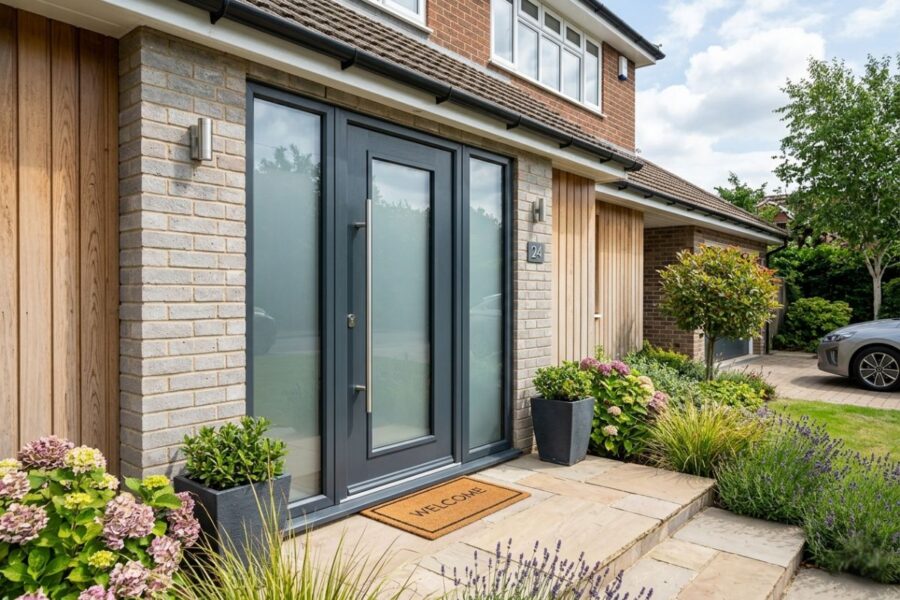
Double glazed entrance doors can reduce heat transfer through glazed areas, improve comfort near the doorway, soften some outside noise and bring natural light into an entrance. Their actual performance depends on the whole door system, including the glass, frame, seals, threshold, hardware and installation. Double glazing alone does not guarantee lower bills, soundproofing or better security.
That distinction matters when comparing doors. A high-performance insulated glass unit fitted into a poorly sealed frame can still create draughts. A strong frame with ordinary glass may be secure but thermally weak. The best result comes from choosing every part of the entrance door for the climate, orientation and job it needs to do.
Quick answer: A double glazed entrance door contains two glass panes separated by a sealed air or gas-filled cavity. Compared with single glazing, it can provide better insulation and surface comfort while helping with noise and condensation. Check the whole-door U-value, solar heat gain, safety glass, seals, locking system and installation quality before buying.
What Is a Double Glazed Entrance Door?
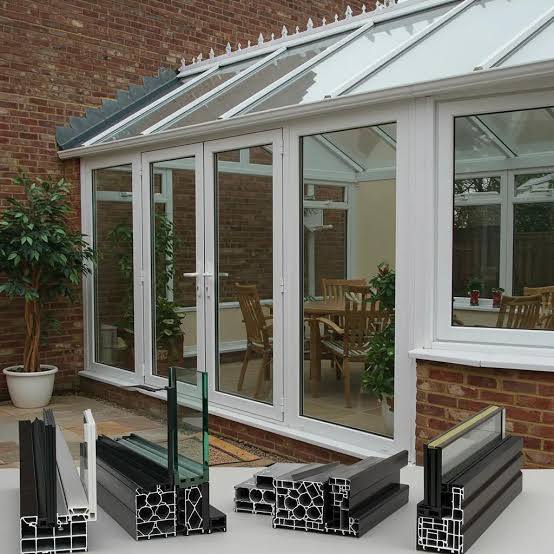
A double glazed door contains at least one insulated glass unit, often shortened to IGU. The unit uses two panes of glass separated by a spacer and a sealed cavity. That cavity may contain dry air or an inert gas such as argon. Some units also include a low-emissivity coating, warm-edge spacer or laminated pane for better thermal, solar, acoustic or security performance.
“Double glazed” describes the glass construction. It does not mean the entrance must have two door leaves. A single front door, a pair of entrance doors, a hinged patio door and some sliding or bifold doors can all use double glazed units.
The glass is only one part of the product. The door leaf, frame, threshold, weather seals, hinges and locking points all affect how the finished door performs.
What Are the Benefits of Double Glazed Entrance Doors?
The main benefits are better thermal performance, improved comfort, some noise reduction, reduced risk of internal surface condensation and more design freedom with glazed panels. The extent of each benefit depends on the specification and installation.
1. Less heat transfer through the glazed area
Two panes and a sealed cavity slow heat transfer more effectively than one pane of ordinary glass. In colder conditions, this helps reduce the rate at which indoor heat moves outside. In warmer conditions, the right glass and frame can reduce heat moving into an air-conditioned home.
This does not mean every double glazed door performs equally. Low-emissivity coatings, gas fill, frame material, spacer design and the amount of glass all influence the final result.
2. More stable comfort near the entrance
A single pane can become noticeably hot or cold, making the area beside a door uncomfortable even when the average room temperature seems acceptable. A better-insulated inner pane stays closer to the indoor temperature.
That can reduce the cold or hot sensation people feel while standing or sitting near the entrance. Good perimeter seals also matter because a small draught around the frame can undermine the comfort gained from better glass.
3. Lower demand on heating and cooling
By reducing unwanted heat transfer, an efficient entrance door can help the home maintain its chosen temperature with less heating or cooling. This may contribute to lower energy use, particularly when the existing door is single glazed, poorly fitted or draughty.
It is not responsible to promise a fixed percentage saving from one door. Energy use also depends on climate, orientation, shading, wall and roof insulation, other windows and doors, appliance efficiency and household behaviour.
4. Better control of outside noise
Double glazing can soften traffic, voices and other airborne sounds, especially when the door closes tightly. However, ordinary double glazing is not the same as acoustic glazing and will not make a room soundproof.
If noise is a major concern, ask about laminated acoustic glass, panes of different thicknesses, the cavity design and the tested rating of the complete door. Gaps around the threshold or frame can allow sound through even when the glass itself performs well.
5. Less risk of condensation on the room-side pane
Because the inside pane is generally warmer in cold conditions, double glazing can reduce the chance of room-side condensation compared with single glazing. That may help protect nearby paint, timber and furnishings from repeated surface moisture.
It does not remove moisture from the indoor air. Ventilation, extraction and moisture control are still necessary. Condensation on the outside face can occur under certain conditions and is not automatically a fault. Moisture trapped between the two panes, however, often suggests the sealed unit has failed.
6. A stronger security specification is possible
Two panes alone do not make an entrance door secure. Security depends on the type of glass, how it is retained, the frame, hinges, cylinder, strike plates and locking system.
For an external door, ask about laminated or suitable safety glass, internal glazing beads, anti-lift details and multi-point locking where appropriate. A well-designed complete system can be much harder to attack than a light frame fitted with basic glass and a single weak latch.
For more general precautions around the property, see our guide on how to make your home safer.
7. More natural light without an open doorway
Glazed panels can brighten a hallway and make a small entrance feel more open. This may reduce the need for artificial light during the day and can improve the connection between indoor and outdoor spaces.
Natural light has to be balanced with privacy and solar heat. Frosted, patterned, tinted or selectively placed glazing can obscure direct views while retaining daylight.
8. Better control of solar heat and fading
Low-emissivity and solar-control glass can be selected to manage the amount of heat passing through the door. Some laminated or coated products also reduce a significant portion of ultraviolet exposure, which may help slow fading of flooring, artwork and furniture near the entrance.
The right choice depends on orientation. A west-facing glazed door exposed to strong afternoon sun may need a different solar heat gain specification from a shaded south-facing entrance.
9. Flexible designs for modern and traditional homes
Double glazed panels can be used in timber, uPVC, thermally broken aluminium, composite and other door systems. Options range from a small vision panel to a mostly glazed entrance with sidelights.
This makes it possible to improve performance without forcing every home into the same style. The proportions, frame colour, hardware and privacy glass should still suit the building rather than following a trend in isolation.
Double Glazing Versus Single Glazing
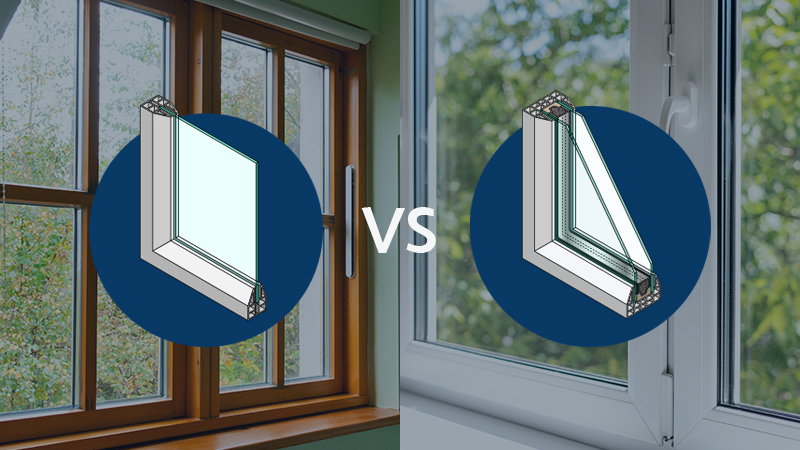
| Feature | Single-glazed entrance door | Double glazed entrance door |
| Glass construction | One pane | Two panes with a sealed cavity |
| Thermal insulation | Lower | Usually better, depending on the complete system |
| Comfort near glass | Inner surface can feel very hot or cold | Inner surface is generally closer to the room temperature |
| Noise control | Limited | Often better, but acoustic glass may be required for difficult noise |
| Internal condensation risk | Generally higher in cold conditions | Generally lower, but not eliminated |
| Weight and hardware | Usually lighter | Heavier and may require stronger hinges and framing |
| Initial cost | Usually lower | Usually higher |
| Repair complexity | Simpler glass replacement | Sealed units and specialist components may cost more to replace |
If you are comparing a whole-home glazing upgrade, our article on double glazed awning windows explains how an opening window adds ventilation and weather-sealing considerations to the same thermal principles.
How to Compare Double Glazed Entrance Doors
Do not choose from the phrase “double glazed” alone. Ask the supplier for the performance and construction details of the complete product.
Check the whole-door U-value
U-value measures how readily heat passes through a building element. A lower number means better insulation. Ask whether the quoted value applies to the complete door, including its glass and frame, or only to the centre of the glass.
The Australian Government’s Your Home glazing guide explains that both U-value and solar heat gain coefficient affect the thermal performance of glazed doors and windows.
Match solar heat gain to the location
Solar heat gain coefficient, or SHGC, indicates how much solar heat passes through the product. Lower is not automatically better in every situation. Climate, orientation, shading and whether winter sun is useful should guide the choice.
A door exposed to intense summer sun may benefit from a lower solar heat gain product and external shading. In a cold climate, a well-oriented entrance may benefit from controlled winter solar gain.
Ask what is inside the insulated glass unit
Confirm the pane thicknesses, cavity width, gas fill, spacer type and whether a low-emissivity coating is included. These details affect heat transfer, weight, acoustic performance and price.
Argon can improve insulation compared with ordinary air when the unit is properly manufactured and sealed. It is one component, not a guarantee of a high-performing door.
Select the right safety and security glass
Entrance doors are impact-prone locations. Ask which safety-glazing standard applies and whether the glass is toughened, laminated or configured another way. Laminated glass can remain held together after breakage and may also improve acoustic performance, but the full security system still matters.
Compare the frame and threshold
The frame can become a thermal bridge even when the glass performs well. Timber, uPVC, composite and thermally broken aluminium systems have different strengths, maintenance needs, sightlines and price points.
Look closely at the threshold. It needs to balance weather sealing, drainage, durability and accessibility without creating a large air gap under the door.
Inspect the seals and locking hardware
Ask how many compression seals the door uses, whether replacements are available and how the door is adjusted if it settles. A locking system that pulls the leaf firmly into the seals can support both weather resistance and security.
Review installation, warranty and after-sales support
A quality product can underperform if the opening is not measured, flashed, packed, fixed and sealed correctly. The quote should state who installs the door, what building work is excluded and what the product, glass unit, hardware and installation warranties cover.
Clarify who handles adjustments, water leaks, failed seals or hardware faults after installation. Keep the written specification rather than relying on a verbal promise.
Are There Any Disadvantages?
Double glazed entrance doors are not the best answer for every home or budget.
Higher upfront cost
The insulated glass unit, stronger hardware and more complex manufacturing generally cost more than basic single glazing. The value is strongest where the existing door has a large glazed area, poor seals or a difficult exposure.
Additional weight
Double glazing is heavier. The frame, hinges and surrounding structure need to support the door without sagging or losing alignment over time.
Performance depends on installation
Draughts around the perimeter, a poorly designed threshold or gaps in the surrounding wall can cancel out part of the thermal and acoustic benefit.
Glass can increase privacy or overheating concerns
Large clear panels may expose the interior and admit unwanted sun. Privacy glass, blinds, shading and an appropriate SHGC can address these issues when planned before purchase.
Sealed units can eventually fail
If the edge seal fails, moisture may appear between the panes. The insulated glass unit normally needs professional assessment and may need replacement.
A Practical Buying Checklist
Before accepting a quote for double glazed entrance doors, ask for written answers to these questions:
- Is the stated U-value for the complete door or only the glass?
- What is the SHGC, and does it suit the door’s orientation and shading?
- Does the unit contain air or argon, and is a low-emissivity coating included?
- What type and thickness of safety glass will be used?
- Is there a tested acoustic rating if noise reduction is important?
- What frame material, spacer and weather seals are included?
- How does the threshold manage water, air leakage and accessibility?
- What locks, hinges and anti-lift features are fitted?
- Who completes the installation and surrounding building work?
- What is covered by the product, sealed-unit, hardware and installation warranties?
- Who provides adjustments and service after installation?
Final Thoughts
Well-specified double glazed entrance doors can improve insulation, comfort, natural light and everyday acoustic conditions. They work best as a complete system rather than as two panes of glass added to an otherwise weak door.
Compare the whole-door U-value, solar heat gain, glass type, frame, threshold, seals, locks and installation details before comparing prices. This gives you a much clearer picture of long-term value than marketing percentages or the words “double glazed” alone.
For more practical renovation guidance, browse The Care Diary’s home improvement articles.