
Yes, Sissu valley is worth an overnight stay if you want quiet evenings, clear morning views of the waterfall and a slower look at Lahaul. Most visitors cross the Atal Tunnel, take photos and drive back the same day, so they leave just as the crowds thin and the village settles down.
The main reason to stay in Sissu valley is time. The village is only around 40 km from Manali, but its best hours are early morning and late evening. A day trip gives you a busy lunchtime stop. A night gives you the Chandra river at dusk, a starry sky and the lake before anyone else arrives.
The big condition is weather. From November to March, snow can shut the road or limit who may enter Lahaul, and sleeping above 3,000 metres doesn’t suit everyone. In deep winter, or with someone who struggles with altitude, a day visit may be smarter.
Our advice is simple. Book one night in a village homestay, leave Manali early, and check the road status the evening before you go. If you’re planning a longer Himachal trip, you’ll find more of our destination and road trip guides to build around it.
Is Sissu Valley Worth an Overnight Stay? Our Honest Verdict
For most travellers, one night is the sweet spot. You get the calm that makes Sissu valley special without spending days in a small village with only a handful of sights. We’d only suggest a second night if you’re using Sissu as a base for Keylong, Jispa or short walks around the Chandra valley.
What most people get wrong is treating Sissu as a tunnel selfie stop. They queue through Solang, drive 9 km underground, stand by the road for twenty minutes and turn back. Local reporting has long noted that most Atal Tunnel visitors return to Manali the same day, which is exactly why staying the night feels so different.
We’d skip the overnight if your only goal is to touch snow. A day trip reaches the same winter snow at the north portal, without a freezing night at altitude. The stay pays off for people who want stillness, not just a snow photo.
What a Day Trip to Sissu Valley Misses
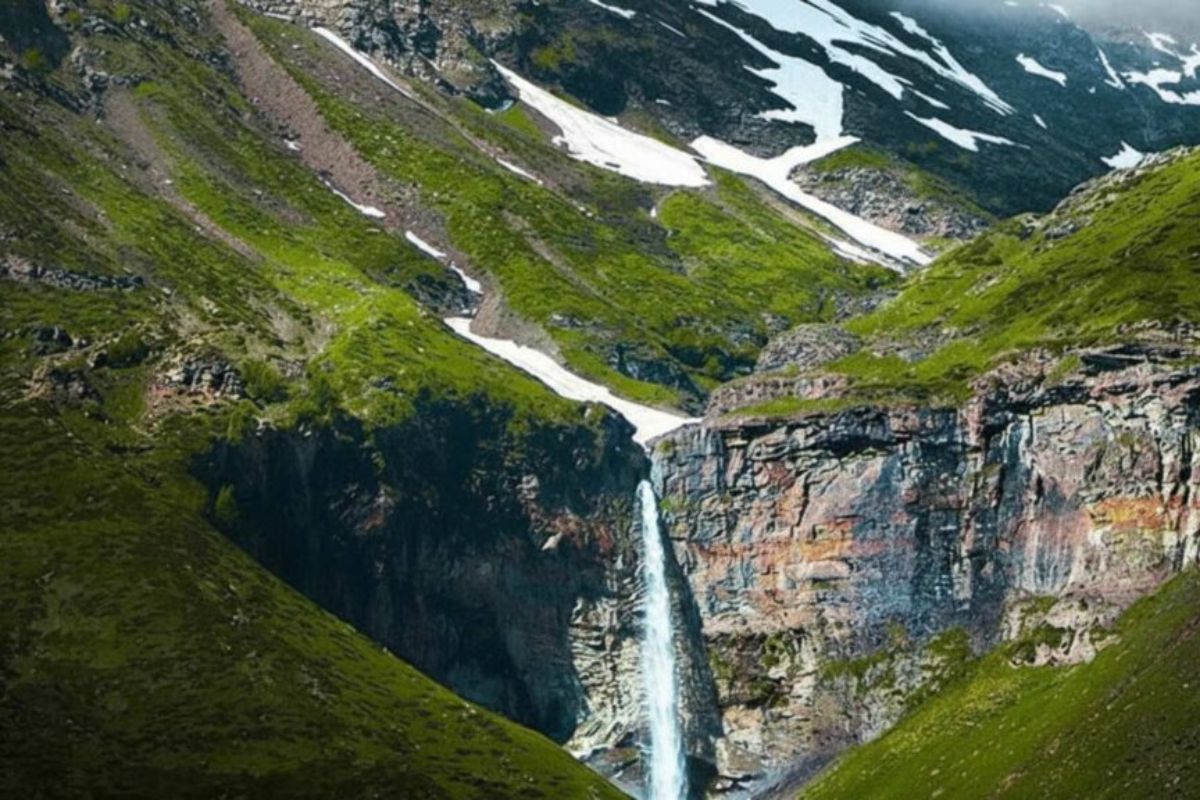
The famous Sissu waterfall, known locally as Palden Lhamo Dhar, drops down the cliff across the Chandra river from the village. At midday it’s often hidden behind tourist vehicles parked along the highway. In the soft light after sunrise you see the full fall from the riverbank, with no horns and no crowds.
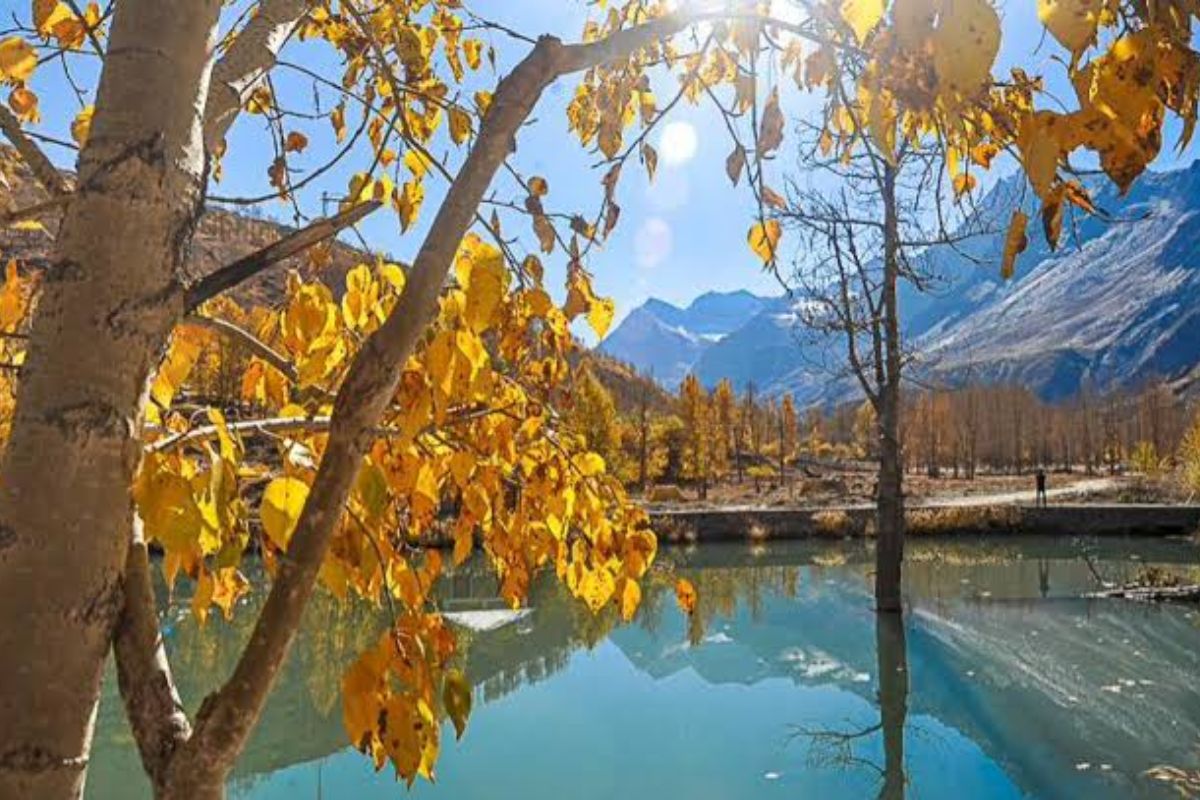
Then there’s Sissu Lake, the other big sight in Sissu valley, about 3 km from the waterfall. On calm mornings it reflects the surrounding peaks, and in winter its edges freeze. Day-trippers often reach it at the busiest hour, when the wind has picked up and the surface is choppy.
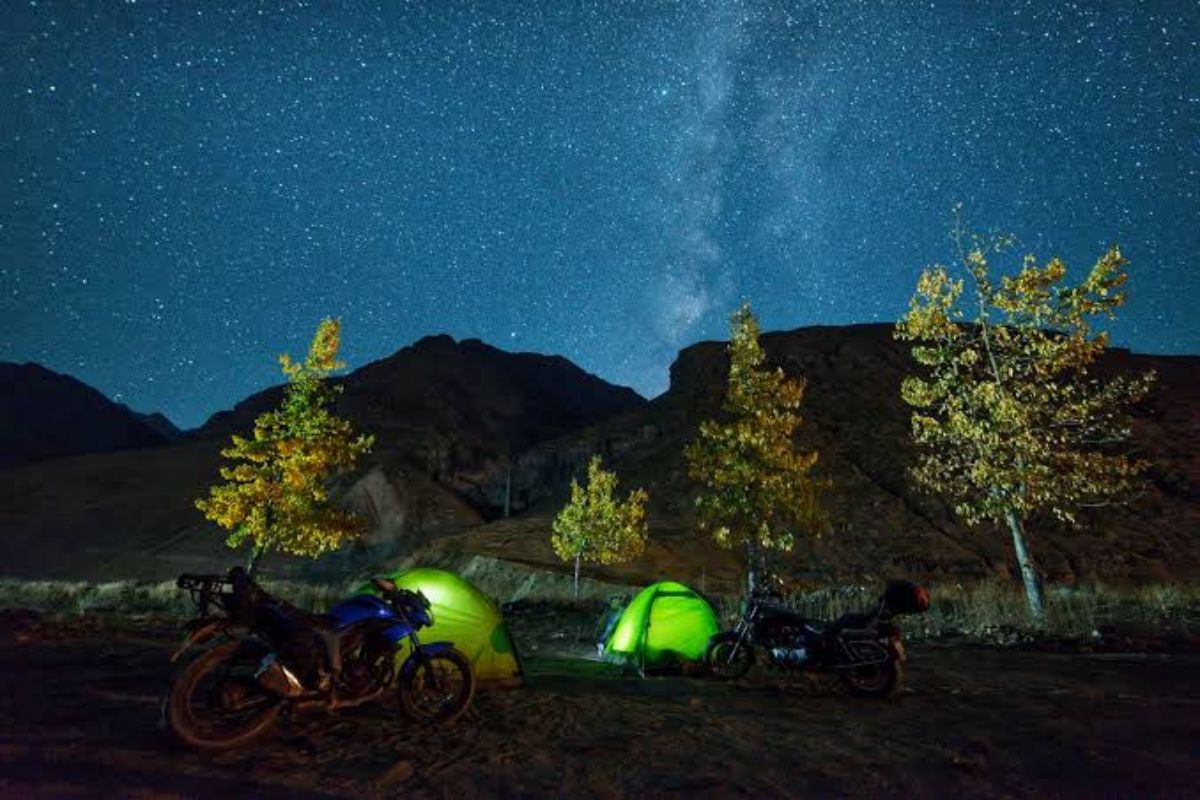
Evenings are the part nobody photographs well and everybody remembers. Once the day traffic heads back through the tunnel, the village goes quiet, the river gets louder and the sky fills with stars. That alone makes an overnight in Sissu valley feel like a different trip.
Manali to Sissu via Atal Tunnel: Distance, Time and Rules
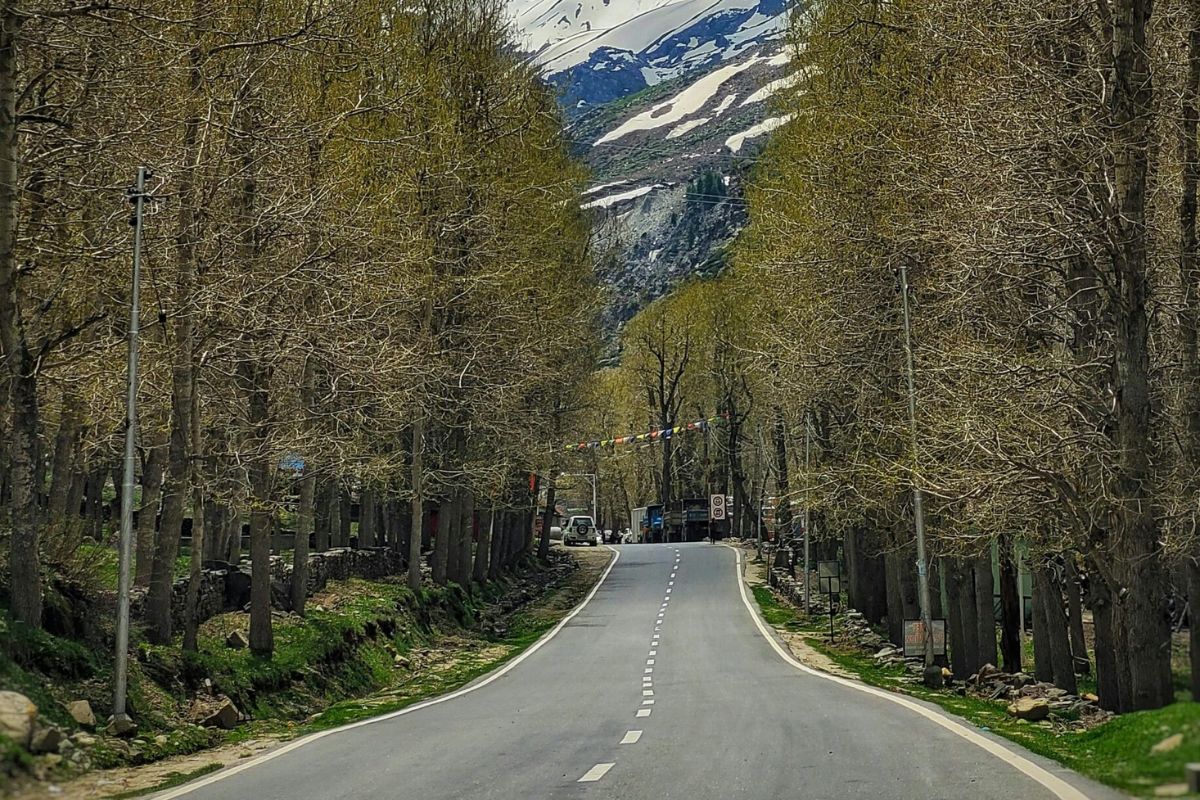
The route is easy to follow. You drive from Manali up past Palchan and Solang to the tunnel’s south portal, cross the 9.02 km tunnel, and come out near Teling village at the start of Sissu valley. Without traffic the whole run takes about an hour and a half, though weekend queues near Solang can double that.
We checked the details against the official Atal Tunnel fact sheet from the Press Information Bureau. It puts the south portal 25 km from Manali at 3,060 metres and the north portal near Sissu at 3,071 metres, with a top speed of 80 km/h inside the tunnel.
Do You Need a Permit for Sissu Valley?
You don’t need the Rohtang Pass permit to reach Sissu valley, because the tunnel route skips Rohtang completely. Lahaul-Spiti does run its own online entry system for vehicles, called e-Aagman, so ask your driver or homestay whether a pass is needed for your dates.
Why Winter Timings Change Everything
In past winters, the Lahaul-Spiti administration has set visiting hours for tourist vehicles, asked day visitors to leave the valley by late afternoon, and needed prior permission for night travel through the tunnel. After heavy snow, it has also allowed only four-wheel-drive vehicles, or only guests with booked stays, to go beyond Sissu.
Most guides miss this. In snow season, a confirmed homestay booking in Sissu valley can be what lets you stay on while day-trippers are turned back. Carry a printed copy, because mobile signal can drop in bad weather.

A Simple Lahaul Overnight Itinerary
This Sissu sightseeing itinerary works from April to October and on clear winter days, with short drives and the best hours in the right places.
Day 1: Manali to Sissu by Lunch
Leave Manali by 7 am. You’ll beat the tourist queue at Solang, cross the tunnel while the light is clear and reach your homestay in time for an early lunch. Check in and rest for an hour, which gives your body time to adjust to the height.
In the afternoon, take an easy walk through the village and down to the Chandra riverbank. Look for the Raja Ghepan temple, home to the most revered deity in Lahaul, and visit it quietly with respect. Ask your hosts before you photograph any shrine or ceremony.
Evening and Night in Sissu Valley
As the day traffic clears, find a spot with an open view of the waterfall and the peaks across the river. Many homestays cook simple Lahauli home food, so ask what they’re making rather than ordering the noodles you’d get in Manali. Our food and recipe stories cover more regional dishes.
After dinner, step outside for the stars, but keep it short. Temperatures fall fast after dark at this height, even in summer, and the road surface can ice up in the cold months.
Day 2: Sunrise, the Lake and the Drive Back
Get up early for the best light of the trip. Walk to Sissu Lake soon after sunrise, when the water is usually at its calmest, then go back to the riverbank for a clear view of the falls. If you’re taking pictures, our photography tips can help you get more from mountain light.
Check out by mid-morning and drive back before the midday rush builds. If your trip continues north, Sissu valley makes a gentle first night before Keylong and Jispa, which helps with acclimatising.
Choosing Sissu Village Homestays
Stays in Sissu valley range from small hotels to family homestays, and we’d pick a homestay every time. You eat with a local family, get tips no website has, and your money stays in the village.
Here’s one specific thing we tell readers to do. Before you pay, ask the host to confirm in writing that your room has a heater and hot water, and request a room that faces the river and waterfall. Those two details decide whether your night feels cosy or miserable.
Homestay prices change with the season and the room, so we won’t quote a fixed rate. The easy saving is to travel on weekdays and agree the full taxi fare upfront, including the driver’s night halt charge, so there are no surprises at checkout.

When to Go, and When to Skip the Night
From May to October, the valley is green, roads are usually open and an overnight in Sissu valley is at its easiest. Autumn brings golden poplars and crisp, clear skies. Winter turns everything white and freezes the waterfall, but it also brings road closures and much tougher nights.
Since the Atal Tunnel opened in October 2020, Sissu has been reachable for most of the year. Most, not all. Heavy snow still closes the road to the tunnel for days at a time, so build a spare day into any winter plan.
Be careful with late January and February. In 2026, Sissu’s gram panchayat stopped tourism from 20 January to 28 February so the village could observe its sacred winter festivals. Before booking for those weeks, ask your homestay whether the village is open to visitors.
When we checked news reports on 16 November 2026, fresh snow since 13 November had closed Rohtang and the high passes beyond Lahaul, while Sissu and the tunnel ends were drawing crowds of snow-seekers. Conditions change daily, so treat any status you read online as a starting point.
Altitude, Cold and Safety at 3,100 Metres
This is the honest downside of staying. Sissu valley sits over 3,100 metres above sea level, and Manali is around 2,000 metres. Day-trippers go back down to sleep, but you’ll spend the night up high, and that’s when altitude sickness most often shows up.
Watch for a headache, nausea, dizziness, unusual tiredness or trouble sleeping. Drink plenty of water, skip alcohol on your first night, and avoid long walks on arrival. Building basic stamina before your trip helps, and our fitness section has easy ways to start.
If symptoms get worse, or anyone feels breathless while resting or confused, don’t wait for morning. Go down towards Manali straight away and see a doctor. People with heart or lung conditions, and pregnant travellers, should talk to their doctor before booking a night at this height. You can read more about common health concerns in our health guides.
Follow police advisories in Sissu valley without exception. Roads can ice up after sunset, and police have closed stretches at short notice after snowfall. Keep the emergency number 112 saved, carry warm layers even in June, and never try to drive around a closed barrier.
So, Should You Book the Night?
If you want the quiet side of Lahaul, yes. Sissu valley rewards people who slow down, stay one night and see it at dawn and dusk. If you’re short on time, travelling in deep winter or worried about altitude, a well-timed day trip is the honest alternative, and there’s no shame in choosing it.
This guide is for general information. Talk to your doctor before travelling to high altitude if you have a health condition, and always follow local police and administration advice on road conditions. For more ideas on travelling slowly and well, browse our lifestyle stories.