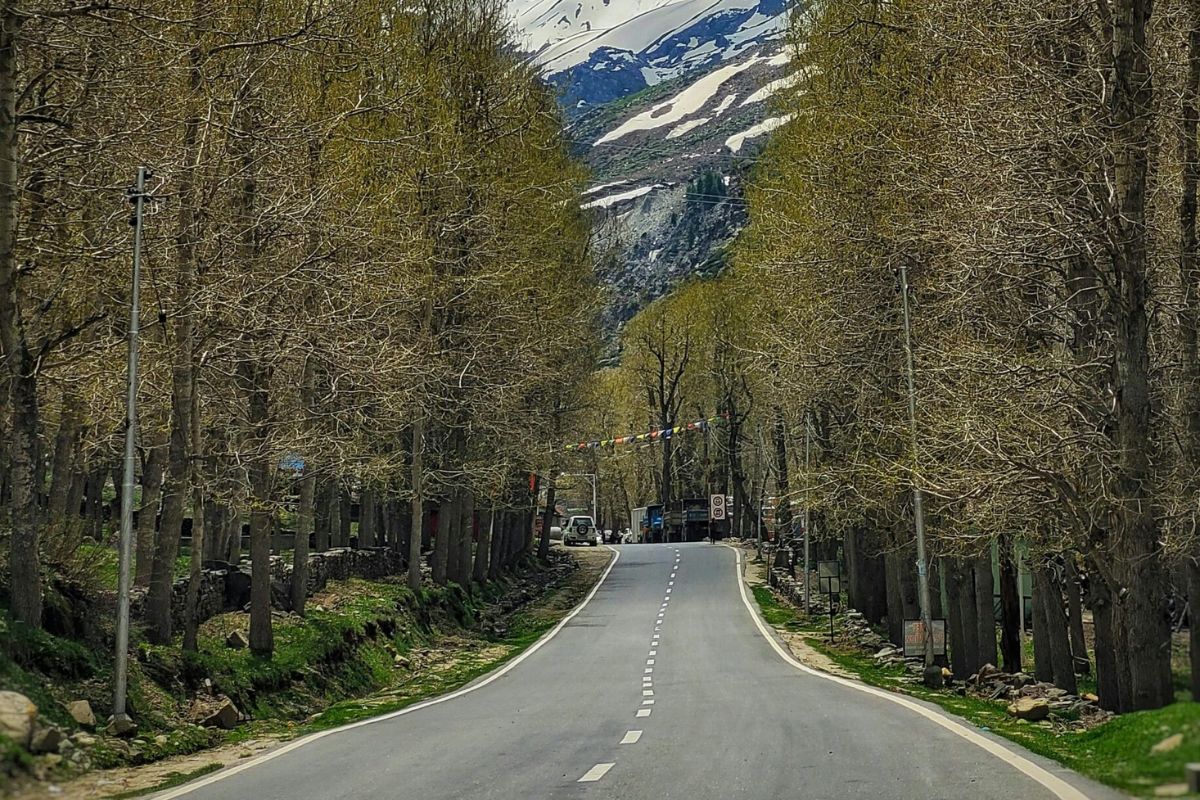

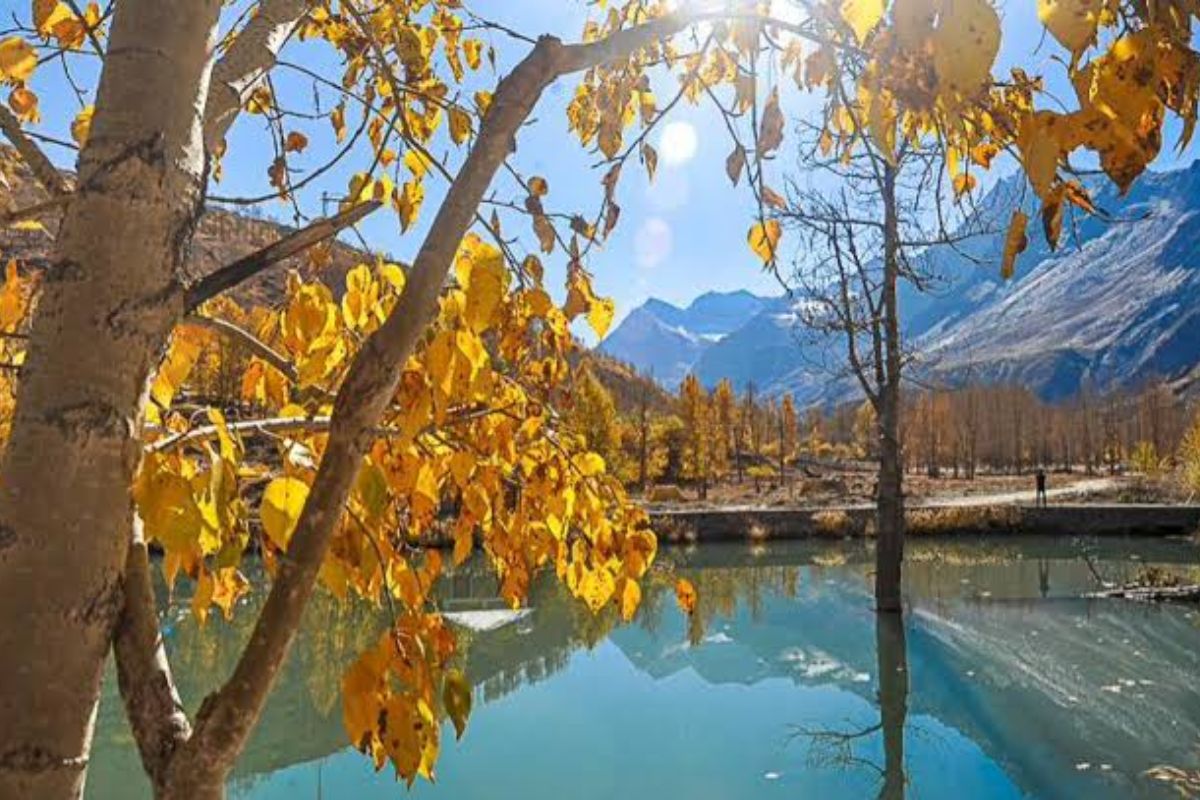
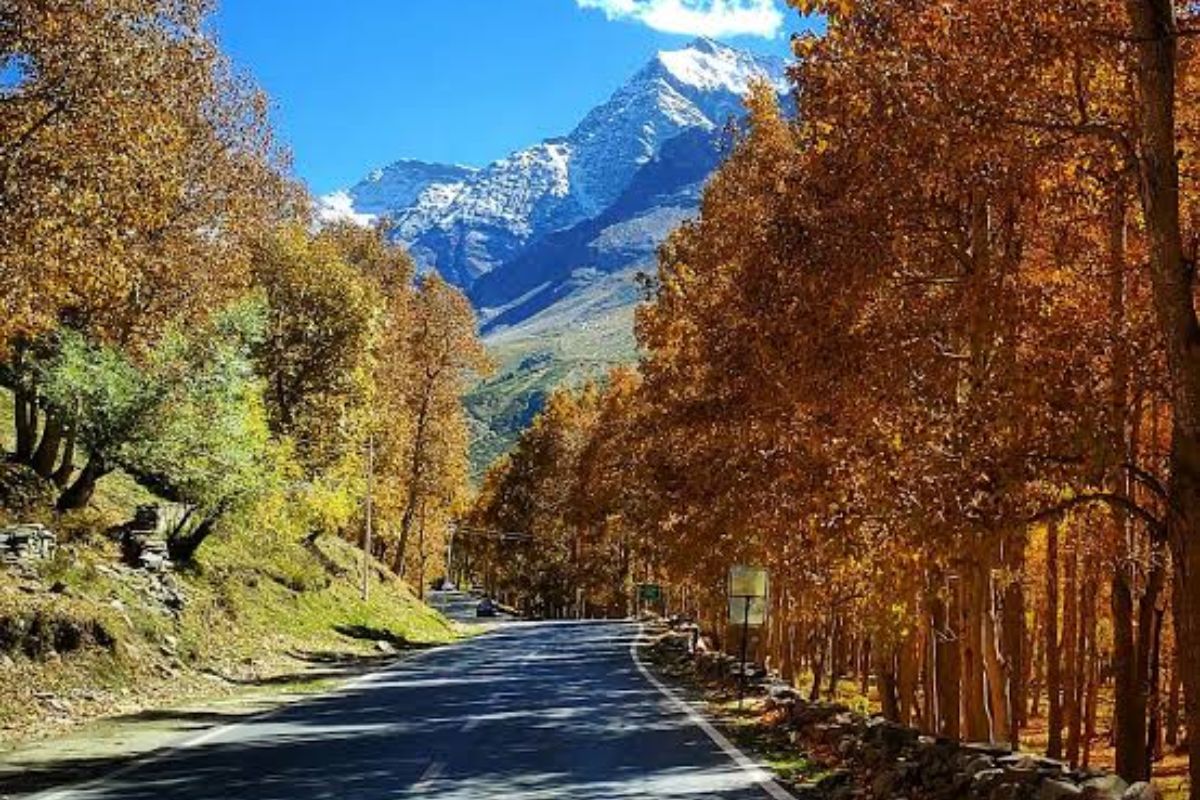
Yes, Sissu autumn colours are worth the trip, and October is the month to go. Rows of poplar and willow trees along the Chandra river turn gold against bare brown slopes, and the Atal Tunnel puts the whole scene about 40 km, or roughly 90 minutes, from Manali.
The reason it works is simple. Sissu sits at about 3,120 metres in Lahaul, a dry valley where trees grow mostly along water channels, fields and roads. The colour comes in bright lines rather than whole forests, and that contrast is what makes the photos you’ve seen look unreal.
The main condition is timing. The gold usually builds through October and drops fast once hard frosts and wind arrive, so early November is a gamble. By mid-November you’ll usually find bare branches and a real chance of snow on the road.
If you’re reading this in November, use it to plan next year. Pick a weekday in the second or third week of October, leave Manali early, and keep a spare day in case weather holds up the tunnel road. You’ll find more trip planning help in our other travel guides.
Is Autumn a Good Time to See Sissu’s Fall Colours?
For colour, autumn is the best season Sissu has. Spring brings fresh green, summer brings crowds and full snowmelt, and winter brings snow, but only autumn gives you gold trees, clear skies and the first dusting of white on the peaks.
Here’s how we put it to readers. If fall colours are the main reason you’re going, a Sissu autumn trip beats every other month. If you want snow play or the waterfall at full force, pick another season, because autumn gives you neither in a reliable way.
When Do the Sissu Autumn Colours Peak?
In most years the best colour lands in October, with mid-October often the safest bet. The exact week shifts with the weather. A warm September can push the gold later, while an early cold snap can bring it forward and strip the trees within days.
Hotel owners and taxi drivers in Manali usually know how far the colour has turned, so ask a few days before you go. Recent location-tagged photos on social media help too, as long as you check when they were posted.
What Most People Get Wrong About Fall Colours in Lahaul
Most people picture whole hillsides on fire, like the maple forests in photos from other countries. Sissu doesn’t look like that. The slopes above the village are mostly rock and scrub, and the colour sits in long lines of trees along the river, fields and highway.
That’s not a let-down once you know it. The gold looks brighter because everything around it is brown, grey and white. Go expecting ribbons of colour rather than a forest, and the Sissu autumn view will feel like a gift rather than a disappointment.

Manali to Sissu via Atal Tunnel: What the Drive Is Like
You climb past Solang to the tunnel’s south portal, about 25 km from Manali at 3,060 metres. Then you cross the 9.02 km tunnel and come out near Teling village, by Sissu, at 3,071 metres. Crossing the tunnel itself takes about 15 minutes.
We checked these figures in the Press Information Bureau fact sheet on the Atal Tunnel while researching this guide. It also lists emergency phones every 150 metres inside, which is reassuring if you’re nervous about long tunnels.
What we tell readers about timing is to leave Manali by 7 am on a weekday. Tourist traffic builds near the south portal through the morning, and on weekends and holidays the queue can eat a big part of your Sissu autumn day before you’ve seen a single tree.
Permits, Fees and Paperwork Before You Leave
You don’t need a Rohtang Pass permit to use the Atal Tunnel. That permit is only for driving up to Rohtang itself. Be wary of anyone in Manali offering to sort out a special tunnel pass for cash, because the official systems are online and run by the government.
Lahaul and Spiti has its own rules. The district runs the e-Aagman online system for vehicles entering the valley, and out-of-state vehicles have been charged a SADA fee at the barrier near Sissu since 2021. Both have changed over the years, so check the current rules before a Sissu autumn drive.
A small step saves real time here. Complete any online registration the night before, with your vehicle number and ID ready, so you’re not sorting paperwork at the barrier while the best morning light slips away.
A Simple Sissu Sightseeing Itinerary for One Autumn Day
Morning: Riverside Poplars and the Waterfall
Once you’re out of the tunnel, drive slowly for the last few kilometres into Sissu, because some of the best tree lines run right beside the highway. Stop only where the shoulder is wide and safe, since trucks use this road all year.
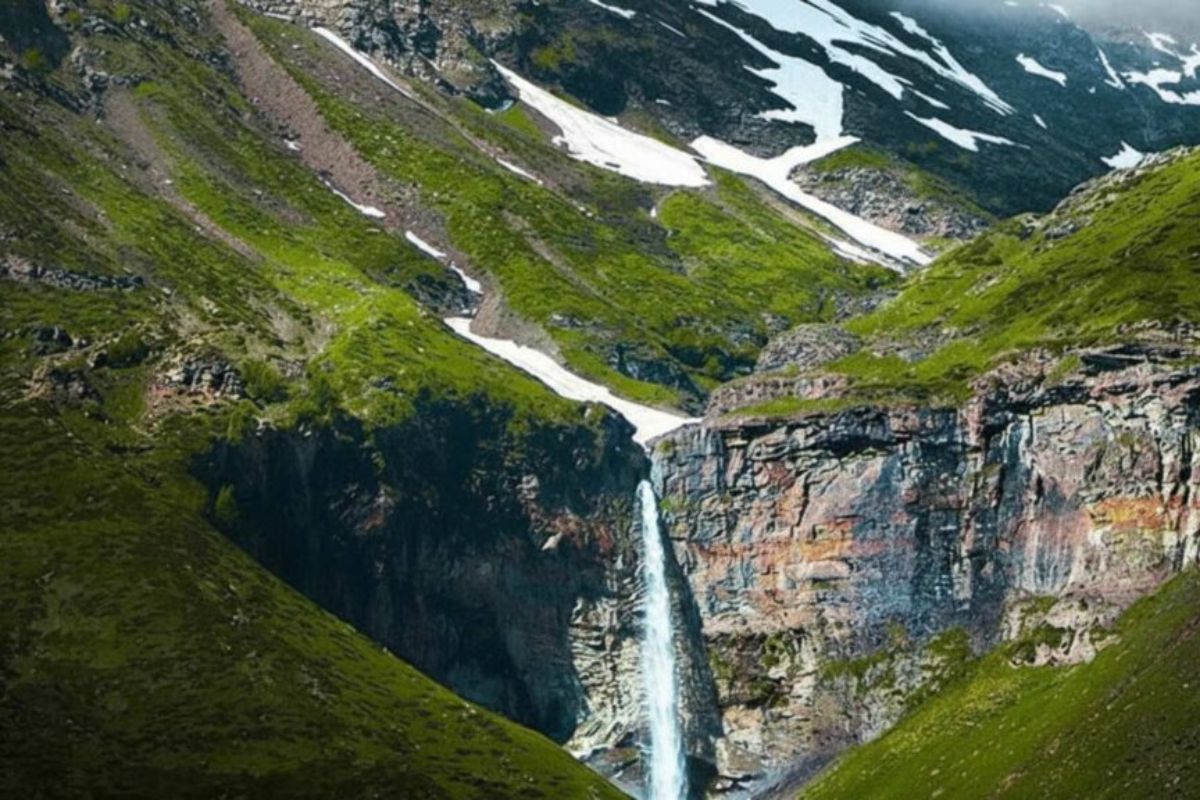
The waterfall known locally as Palden Lhamo dhar drops down the far side of the Chandra, opposite the village, according to the Wikipedia page on Sissu. A short walk toward it gives you gold trees in front and the falls behind them, the classic Sissu autumn shot.
Afternoon: Village Lanes, the Lake and the Drive Back
After lunch, walk the lanes around the village and the small lake area, where the crowds thin out. Look up too. Gyephang Goh, the 5,870 metre peak named after the local deity, rises above the valley and may already carry fresh snow.
Start back toward the tunnel by 3 pm. The road turns cold and shady early, and you don’t want to drive the stretch near the portals after dark if there’s any ice. This Sissu sightseeing itinerary puts the trees first because that’s when the light is kindest.
Sissu Autumn Photography: How to Get the Gold Right
The one thing we’d pack for a Sissu autumn shoot is a circular polarising filter, which costs far less than a new lens and fits most cameras. Turn it until the sky deepens and the glare drops off the leaves and river, and the gold will look the way you remember it.
Timing changes the result more than gear does. Mountains on both sides mean the valley floor gets direct sun later and loses it earlier than you’d expect. The best side light usually comes mid-morning and again in the hour before the sun slips behind the ridge.
For Sissu autumn photography, shoot with the sun behind the trees, not behind you, and the leaves will glow. If you want people in the frame, keep them small against a long line of trees. Our photography tips on light and composition go further if you’re new to this.
Sissu Autumn Weather: What October Feels Like
Sissu autumn weather usually means bright days that feel mild in the sun and cold in the shade. Nights can drop close to freezing by late October. The air is dry and the sun is strong at this height, so your skin and lips will feel it by evening.
Dress in layers you can peel off: a thermal top, a fleece and a windproof jacket, plus a warm hat and gloves for the morning. Use a high-SPF sunscreen and lip balm, and read our skin care advice for dry weather if cold air leaves your face tight.
Staying Safe on a Sissu Autumn Trip at 3,120 Metres
Sissu is high enough for altitude sickness, which can start above about 2,500 metres. A mild headache, nausea or breathlessness on a short walk are common early signs. Drink water, walk slowly, skip alcohol that day and don’t push a long hike.
See a doctor or head straight back down to Manali if a headache gets worse, you start vomiting, feel confused or are breathless while resting. Our health guides on common symptoms explain more, but at altitude, going down is the fastest fix.
Keep one more risk in mind. A Down To Earth report from May 2026 says the National Disaster Management Authority classes Ghepan Lake, a glacial lake above Sissu, as highly vulnerable, and the area has no installed early warning system yet. Don’t camp on low riverbanks, and follow any local instruction to move away from the river.
Fitness helps more than people expect. A few weeks of brisk walking or stair climbs before you go makes the short uphill walks around Sissu feel easier, and our simple fitness routines are a good place to start.
What to Skip on a Sissu Autumn Trip
We’d skip the Rohtang Pass detour on a colours trip. At 3,978 metres it sits far above the tree line, so there’s no gold to see, it needs a separate vehicle permit, and it usually closes for the season from mid-November. That’s half a day on bare slopes instead of among the trees you came for.
We’d also pass on the paid snow-point stalls and photo props near the tunnel portals. Authorities have banned stopping and commercial activity near the tunnel at times because of avalanche and rockfall risk, and the light there is flat anyway.
Day Trip or Overnight: Which Works Better in October?
A Sissu autumn day trip works if you only want a few photos. The trouble is that you arrive after the best morning light, leave before the late glow, and spend three hours of a short autumn day in a car.
One night in Sissu in October suits most people better. You get the morning light without a dawn start from Manali and a slower evening in the village. Book ahead for weekends, and confirm your homestay is still open late in the season, since some shut as winter sets in.
So, Should You Plan a Sissu Autumn Trip?
If gold trees, crisp air and quiet village lanes sound like your kind of trip, yes. Go in October, on a weekday, with layers, a polarising filter and an early start, and Sissu gives you some of the best autumn colour you can reach by road from Manali.
If your dates fall in mid-November or later, change the plan. Expect bare trees, check police advisories because snow often closes the road beyond Solang, and save the Sissu autumn colours for next year. For more slow travel and wellbeing reads, explore The Care Diary’s lifestyle section.
This guide is for general information. Road rules, fees and conditions change, so check official advisories before you travel, and talk to your doctor before a high-altitude trip if you have heart or lung problems.